
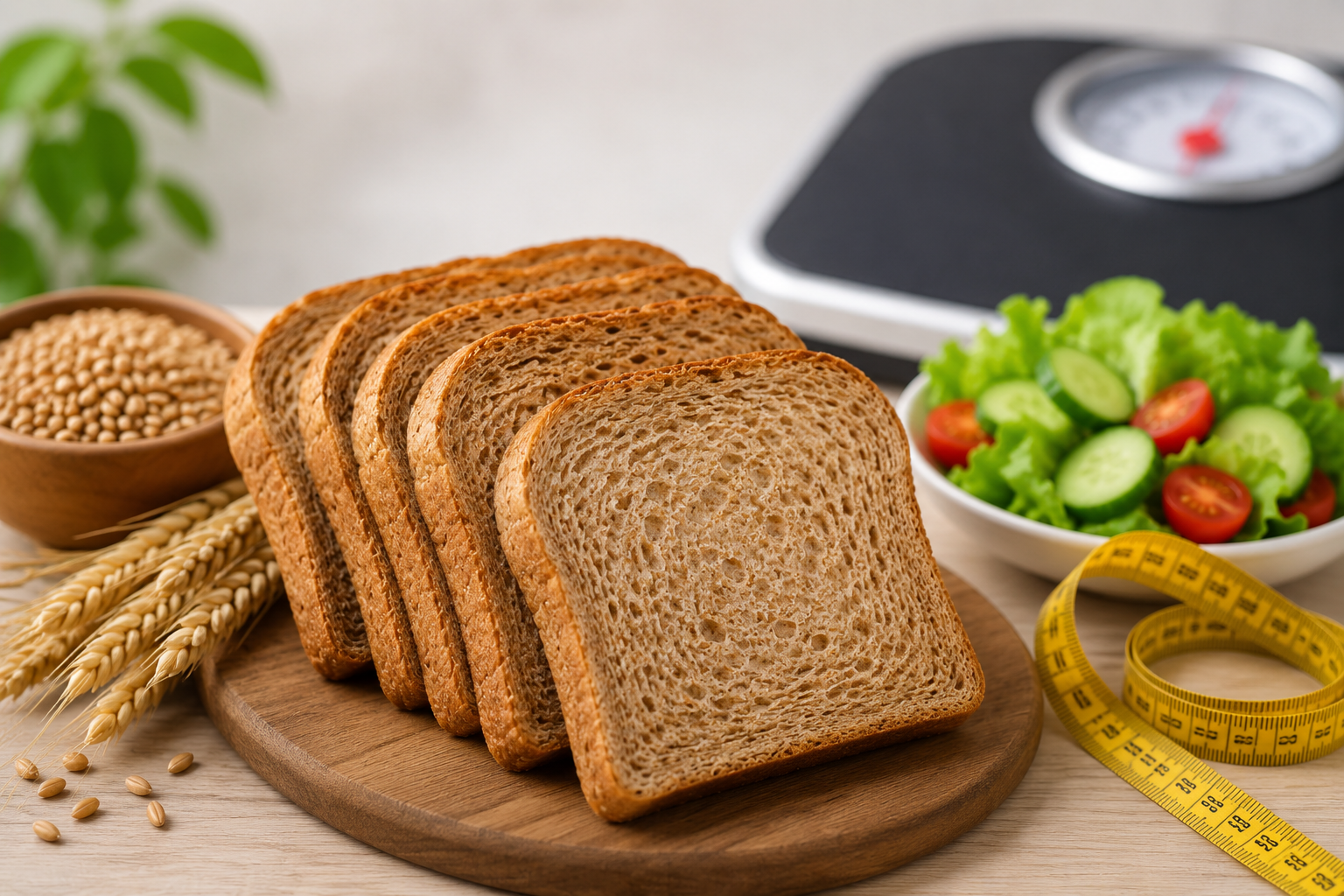
Wheat bread for weight loss is one of the most searched food questions among people who are trying to manage their body weight after bariatric surgery. The short answer is yes, but only when you choose the right type, eat it at the right stage of recovery, and pair it with a protein-first eating strategy. Not all bread is the same. Regular white bread and processed loaves made with refined flour behave very differently in your body than true whole wheat options. For patients who have undergone a weight loss procedure at BodEvolve Bariatric Surgery Center in the DFW area, understanding this difference can genuinely support a healthier, faster recovery.
Is Wheat Bread Good for Weight Loss?
Many people assume bread is off the table entirely after weight loss surgery. That thinking is understandable, but it is not entirely accurate. The real question is what kind of bread you are eating and when you are introducing it back into your meals.
Refined white bread breaks down into sugar very quickly once it hits your bloodstream. It spikes insulin, provides little fiber, and leaves you hungry again within the hour. Whole wheat bread, on the other hand, retains the bran and germ of the grain, which means it holds onto its fiber content and digests more slowly. This slower digestion helps you feel fuller for a longer period and does not trigger the same sharp blood sugar swings that refined carbohydrates do.
What the Nutritional Profile of Whole Wheat Bread Actually Looks Like
A standard one-ounce slice of 100% whole wheat bread typically contains about 70 calories, 2 to 3 grams of fiber, 3 grams of protein, and just 12 grams of carbohydrates. That fiber content matters enormously for bariatric patients, because even a small amount of fiber-rich food can help your significantly smaller stomach feel satisfied. The protein, while modest, also contributes to the protein targets that Dr. Clayton Frenzel at BodEvolve consistently emphasizes as non-negotiable during recovery.
When Can Bariatric Patients Introduce Wheat Bread?
The post bariatric surgery diet follows a specific progression from clear liquids to pureed foods to soft foods before reaching the regular food stage. Bread, even soft whole wheat bread, is generally not appropriate until Stage 4 or Stage 5 of your dietary progression, which typically begins around six to eight weeks post-surgery. Introducing it too early puts unnecessary pressure on healing tissue and can cause discomfort, nausea, or vomiting. Always follow the guidance of your surgical team before adding any new texture to your meals.
Whole Wheat Bread Weight Loss: Understanding the Role of Fiber
The connection between whole wheat bread and weight loss comes down to one word: fiber. Fiber slows the rate at which food passes through your digestive system, which means you stay satisfied longer between meals. It also feeds the healthy gut bacteria that play a role in metabolism and inflammation regulation. For bariatric patients, maintaining gut health after surgery is particularly important because the bariatric puree recipes and early diet stages tend to be low in fibrous foods by necessity.
How to Read Bread Labels Without Getting Fooled
One of the most important habits you can build after weight loss surgery is reading food labels carefully. Many loaves labeled as “wheat bread” or “multigrain” are actually made primarily from refined white flour with a small amount of whole wheat added for marketing purposes. True whole wheat bread will list “100% whole wheat flour” or “whole grain flour” as the very first ingredient. If you see “enriched wheat flour” at the top, that is simply white flour under a different name.
Portion Size Is Everything After Bariatric Surgery
Even the healthiest bread must be consumed in very small quantities after a procedure like gastric sleeve surgery or gastric bypass surgery. A full slice or two may have been your pre-surgery baseline, but post-op your stomach pouch can hold a fraction of that. One thin half-slice paired with a high-protein food like eggs or cottage cheese is a much smarter approach than eating bread on its own. This keeps the meal protein-forward while allowing the fiber from wheat bread to support satiety.
Can Whole Wheat Bread Help You Lose Weight After Bariatric Surgery?
The answer is a cautious yes, with important conditions. Whole wheat bread works within a balanced, protein-first bariatric eating pattern. It does not work as a staple food or as a replacement for higher-priority nutritional needs like lean protein, hydration, and vitamin supplementation.
Pairing Matters More Than the Bread Itself
What you eat with whole wheat bread often matters more than the bread itself. Spreading avocado on a small slice and topping it with sliced turkey breast creates a meal that is high in protein, contains healthy fats, and delivers fiber. Compare that to eating a slice with jam or peanut butter and jelly, where the sugar content spikes quickly and the protein is minimal. The bariatric meal guide from BodEvolve walks patients through how to build every meal around protein first, which applies directly to how you construct a meal that involves bread.
Watch for Tolerance Issues
Some patients experience difficulty tolerating bread even in the later stages of recovery. Doughy textures can form a dense ball in the stomach pouch, causing discomfort or restriction. Toasting the bread reduces this problem significantly by making the texture drier and easier to chew fully. Dr. Clayton Frenzel advises patients to chew every bite thoroughly, and bread is one food where this advice is particularly important. If you notice recurring discomfort after eating wheat bread, pull it out of your routine and speak with your care team.
Can I Eat Wheat Bread for Weight Loss While Managing Carbohydrates?
This is where patients often feel confused. The low carb diet for weight loss approach that many bariatric programs recommend does create some tension with bread consumption, since even whole wheat bread contributes to your daily carbohydrate intake. The resolution is not to eliminate bread entirely but to count it accurately and ensure it fits within your carbohydrate budget for the day without displacing protein intake.
Practical Daily Guidance for Bariatric Patients
A straightforward daily framework for incorporating wheat bread looks like this:
- Protein always comes first in every meal. Bread is added only after your protein target for that meal is met.
- Limit wheat bread to one thin slice or half a slice per meal, not per day as a blanket rule, but per individual eating occasion.
- Toast the bread to reduce its density and make it easier to tolerate post-surgery.
- Skip bread entirely on days when your protein intake has been lower than your target, because protein is a non-negotiable recovery priority.
- Choose brands where the entire ingredient list is short and recognizable, with whole wheat flour listed first.
Incorporating a sustainable eating pattern like the Mediterranean diet for weight loss naturally accommodates small amounts of whole grain bread in a way that supports long-term results without triggering blood sugar instability.
Supporting Your Recovery with Smart Food Choices at BodEvolve
Recovering from bariatric surgery is a process that takes months, and the food choices you make during that time have a direct impact on how quickly and comfortably you lose weight. The team at BodEvolve, led by Dr. Clayton Frenzel, provides every patient with structured nutritional guidance that covers each stage of recovery from the bariatric surgery liquid diet before surgery all the way through to regular, long-term eating. Patients are never left to figure this out on their own.
Procedures like SADI-S surgery, duodenal switch surgery, and revision weight loss surgery each come with specific dietary timelines, and understanding where bread fits within those timelines is part of the individualized recovery support BodEvolve offers. Patients who stay in regular contact with their care team, attend follow-up appointments, and lean on the resources available to them consistently achieve better long-term results than those who try to navigate nutrition decisions independently.
Exploring bariatric snacks and bariatric breakfast ideas alongside any reintroduction of wheat bread will help you build a full, satisfying daily eating routine that keeps your energy steady and your weight loss on track.
Start Your Weight Loss Journey with Confidence
Wheat bread for weight loss can be part of a smart, structured recovery plan when used correctly. The key is choosing 100% whole wheat varieties, keeping portions small, always pairing bread with a high-protein food, and waiting until your care team clears it as part of your dietary progression. It is not a shortcut, but it is also not the enemy. Within a protein-first bariatric lifestyle, a small amount of whole wheat bread can contribute fiber, modest protein, and texture variety without compromising your progress.
BodEvolve Bariatric Surgery Center serves patients across the DFW area. Whether you are considering surgery or already in recovery, the team is available to guide you. Visit a location near you – Arlington, Richardson, Dallas, or Texarkana.
