
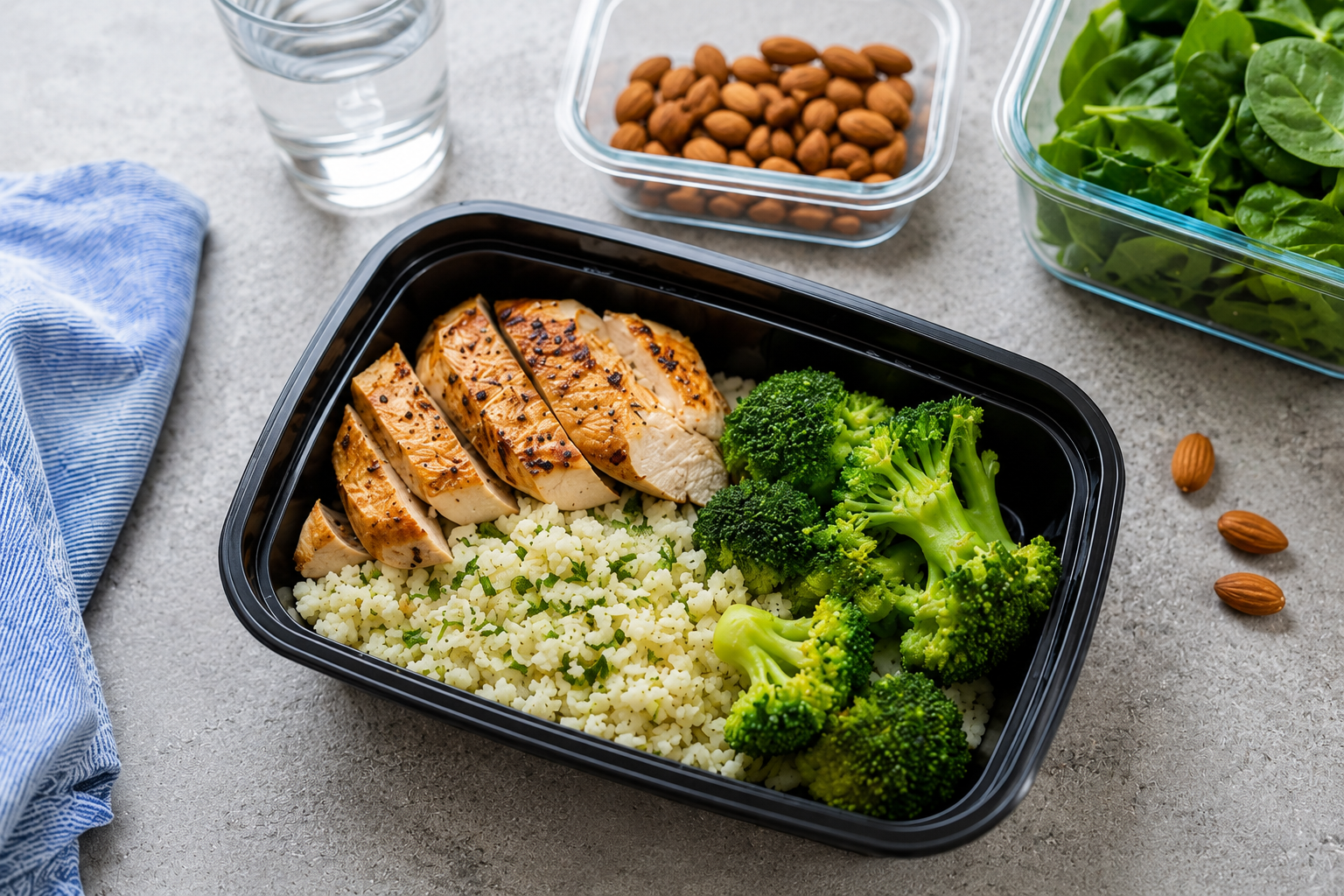
A low carb diet for weight loss is one of the most effective and straightforward ways to start losing weight, particularly when you have already tried everything else and nothing has stuck. The idea is simple: eat fewer carbohydrates, your body produces less insulin, and instead of storing fat, it starts burning it. That shift alone can change how your body looks and feels within a matter of weeks. No starvation, no extreme calorie counting, just a smarter way of eating that works with your biology instead of against it.
What makes this approach different from the usual diet cycle is that it actually addresses the root cause of weight gain for a lot of people, which is chronically high insulin and blood sugar. The team at BodEvolve Bariatric Surgery Center sees this pattern constantly in patients who walk through their doors, and low carb nutrition is often one of the first conversations that happens in a proper weight loss plan.
How a Low Carb Diet for Weight Loss Stacks Up Across Eating Styles
Low-carb diet programs do not have to be identical for everyone. Some individuals may succeed using a mild low-carb approach, while other people might benefit more from a highly organized approach. The table below breaks down three common options so you can figure out what fits your life.
Eating Style | Daily Carb Limit | Best For | Key Benefit |
Moderate Low Carb | 100g or less | Beginners and active individuals | Easy to sustain long term |
Strict Low Carb | 50g or less | Metabolic issues, insulin resistance | Faster fat loss, better blood sugar control |
Ketogenic | Under 30g | Stubborn weight, type 2 diabetes | Deepest fat burning state |
Starting moderately and stepping down as needed works well for most people. There is no single right number. What matters is finding a carb range your body responds to and one you can actually stick with week after week. Consistency beats perfection every single time.
Low Carb Weight Loss: Why Your Body Responds So Fast
The reason low carb weight loss feels different from other diets is because it produces real, visible results quickly, especially in the first few weeks. When carbs drop, your body burns through its stored glucose and then switches to fat as its primary fuel. This process also naturally reduces appetite for most people, which means you are not white-knuckling through hunger all day.
Insulin Is the Missing Piece Most People Never Address
Every time you eat carbohydrates, your insulin goes up. That is normal. But when you are eating carbs at nearly every meal, insulin stays chronically elevated, and elevated insulin actively blocks fat burning. It is not a lack of effort that keeps weight on for so many people. It is a hormonal environment that makes fat loss nearly impossible until insulin is brought back down. Reducing carbs is the most direct way to do that.
Why Low Carb Outperforms Low Fat for Most People
Research consistently shows that low carb diets produce more weight loss in the first three to six months compared to low fat diets. They also tend to improve blood pressure, triglycerides, and fasting blood sugar at the same time. That combination of outcomes is why the medical weight management program at BodEvolve incorporates structured nutritional guidance, including low carb principles, as part of their supervised care. Dr. Clayton Frenzel, who is triple board-certified and dual fellowship trained, works alongside his team to make sure every patient has a diet framework that supports real, lasting results rather than temporary fixes.
Carbs and Weight Loss: Getting Clear on What to Cut
Understanding the connection between carbs and weight loss means getting honest about which foods are quietly keeping the weight on. The biggest culprits are not always obvious. Bread, pasta, rice, fruit juice, flavored yogurt, granola bars, and most packaged snacks all hit the bloodstream as sugar almost immediately. These are the foods that drive insulin up and keep fat locked in place.
Not All Carbs Behave the Same Way
Fiber-rich vegetables are technically carbohydrates but they do not spike blood sugar. Broccoli, spinach, zucchini, cauliflower, and leafy greens are staples on any well-designed low carb plan because they provide volume, nutrients, and fiber without the metabolic downside of starchy or sugary foods. The goal is not to eliminate every carb on the planet. It is to eliminate the ones that are actively working against your weight loss.
Finding Your Personal Carb Threshold
A standard low carb diet typically sits between 50 and 100 grams of carbohydrates per day. A stricter ketogenic approach goes below 30 grams. Most people see real movement on the scale just by cutting processed foods and sugary drinks, without tracking every gram obsessively. Some people also find that a structured approach like a carb cycling meal plan works better for them long term, as it allows for strategic higher carb days while still keeping overall intake low enough to drive fat loss.
Low Carb Diet for Belly Fat: Why the Midsection Changes First
One thing people consistently notice when they go low carb is that belly fat seems to move first. A low carb diet for belly fat is especially powerful because it targets visceral fat, the deep abdominal fat wrapped around your organs. This is the most dangerous type of fat in the body and it is directly linked to type 2 diabetes, cardiovascular disease, and systemic inflammation. The good news is that it is also highly responsive to drops in insulin.
Why Visceral Fat Burns Faster on Low Carb
Visceral fat is metabolically active tissue. It reacts quickly when insulin levels fall because it was essentially being fed by those insulin spikes in the first place. When insulin drops consistently through low carb eating, the body preferentially pulls from visceral stores. This is why the stomach and waist tend to slim down noticeably before changes appear elsewhere on the body.
The Stress Connection You Cannot Ignore
Cortisol, the stress hormone, directly promotes belly fat storage. If you are eating low carb but living in a constant state of stress, results will be slower and harder to maintain. Stress and weight gain breaks this down clearly and if you feel like you are doing everything right but the belly fat is not moving.
Low Carb Diet Plan For Weight Loss: Simple, Repeatable, Sustainable
A good low carb diet meal plan for weight loss does not need to be complicated. It needs to be repeatable. Protein at every meal, non-starchy vegetables as your main carb source, and healthy fats to keep you satisfied. That framework covers most of what you need.
A Simple Day of Low Carb Eating
- Breakfast: Scrambled eggs with spinach and avocado cooked in butter.
- Lunch: Grilled chicken over a large salad with olive oil and lemon.
- Dinner: Baked salmon with roasted broccoli and cauliflower rice.
- Snacks: Boiled eggs, almonds, or full-fat Greek yogurt with a few berries.
After Bariatric Surgery, Meal Quality Matters Even More
For patients who have had gastric sleeve surgery or gastric bypass surgery, stomach capacity is dramatically reduced. Every bite counts. The BodEvolve nutrition team provides post-surgical meal plans that prioritize protein, manage carb intake, and prevent deficiencies. For those still weighing options, exploring gastric bypass alternatives can help clarify which path makes the most sense for your specific situation.
Ready to Take Weight Loss Seriously? BodEvolve Can Help
A low carb diet for weight loss works. For many people it is genuinely transformative, delivering fat loss, better energy, reduced cravings, and improved metabolic health all at once. But for those dealing with severe obesity, insulin resistance, or years of failed attempts, dietary changes alone may not be enough to get to a healthy weight and stay there.
This is when BodEvolve Bariatric Surgery Center steps into the picture. With the likes of Dr. Clayton Frenzel and Dr. Brian Holt at its helm, Our center offers top-class surgical skills together with nutrition counseling that will enable their patients to make the change stick. With clinics located in Arlington, Richardson, Dallas, or Texarkana, you won’t be too far away from professional assistance wherever you are. Make an appointment now.
