
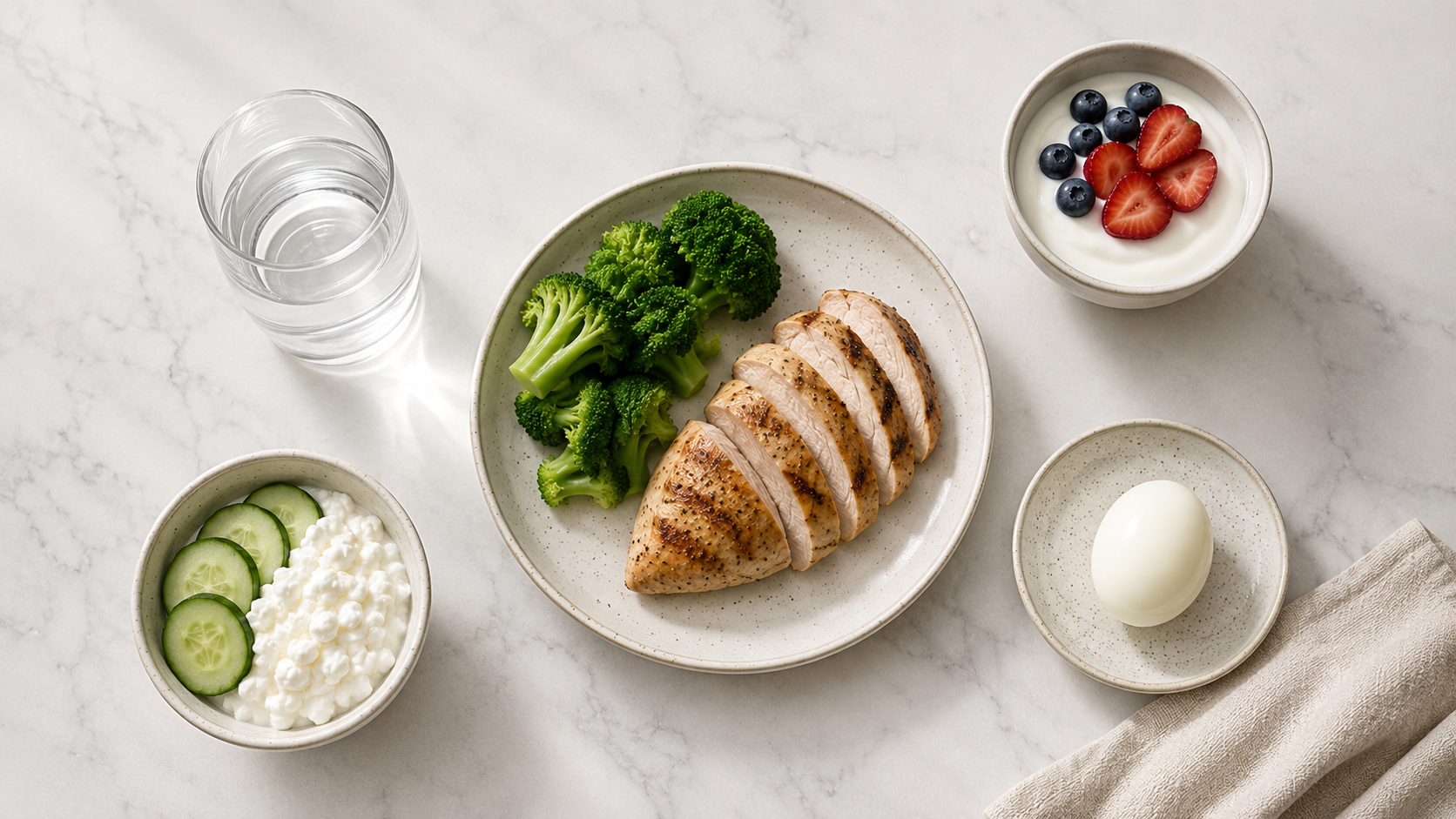
Post-surgical eating involves more than just eating smaller portions. In essence, it’s a whole new paradigm of interacting with bariatric meals which requires six months to a year for most patients to get used to. After going through gastric sleeve surgery, gastric bypass surgery, or SADI-S surgery, one needs to deal with a reduced capacity of their stomach, a modified digestive process, and strict recommendations concerning protein intake, hydration, and mealtimes.
This is the guide to eating post-bariatrically at BodEvolve Bariatric Surgery Center in Texas, Dr. Frenzel and the team in Texas try their best to provide all essential details concerning bariatric meals including bariatric breakfast options, bariatric lunch options, bariatric dinners, healthy bariatric snacks, and our favorite bariatric-friendly recipes. We provide each and every patient with a personalized program for healthy postoperative eating based on recommendations from Dr. Frenzel. Here you will find the guidelines that are applicable to all our patients; however, depending on the patient’s case, the surgeon and dietitian may suggest some modifications. The reason why we chose to write a rather lengthy article is simple: patients who choose a bariatric surgery need to understand the principles behind eating postoperatively before trying different recipes.
The Foundation: 7 Rules of Bariatric Eating That Never Change
Before any bariatric meal ideas make sense the rules of eating need to be understood. These are not suggestions. They are the difference between long-term success and complications down the line.
- Protein comes first at every meal. Bariatric patients need 60-80 grams of protein per day. That target does not change just because the stomach is smaller. Every meal starts with protein every snack includes protein. The day is built around hitting that number. This is the reason why individual information on high-protein diet for weight loss content is essential for bariatric patients.
- Do not drink with meals. Liquids fill the stomach quickly and push food through faster. Which means the protein does not have time to satisfy hunger. Wait 30 minutes before and after every meal before drinking anything, including water.
- Sip, do not gulp. Bariatric patients should never chug a drink. Even water is sipped slowly. Gulping causes discomfort. Stretches the new stomach over time.
- Eat slowly. Chew thoroughly. A bariatric meal should take 20-30 minutes. Each bite gets chewed until it is nearly liquid. This is not about being polite. It is about preventing the food from sitting undigested in a stomach.
- Stop at fullness not satisfaction. The new stomach signals fullness earlier than patients are used to. Stop the moment that signal arrives. Pushing past it leads to nausea, pain and over time a stretched stomach.
- No carbonated beverages. Carbonation creates gas that stretches the stomach. This rule is permanent. Not during recovery.
- Vitamins are very important. Bariatric patients need supplements for life including B12, iron, calcium and vitamin D.
These rules apply across every meal every day forever. Once they are understood the actual bariatric meals become much easier to plan.
Bariatric Diet Stages: What Patients Can Eat When
The first several weeks after surgery follow a progression. Patients do not jump from liquids to regular food. The body needs time to heal and each stage prepares the digestive system for the next.
- Stage 1. Clear liquids: Water, broth, sugar-free gelatin, decaf tea, sugar-free electrolyte drinks. The bariatric surgery liquid diet before surgery guide covers all this.
- Stage 2. Liquids and protein shakes: Protein shakes, blended soups, low-fat milk, sugar-free pudding. The stage 2 bariatric diet page give much more insights.
- Stage 3. Puréed foods: blended versions of protein-forward foods. No chunks, no textures the body’s not ready for.
- Stage 4. Soft foods: Foods that mash easily with a fork. Cooked vegetables, tender protein, scrambled eggs.
- Stage 5. Regular diet: Full bariatric meals, with all the rules above in place.
The full progression typically takes 6-8 weeks. Timing varies by procedure and individual recovery. The guide to your post-bariatric surgery diet is the overall guide to the process. The diet after gastric sleeve page gives specific information about timing after gastric sleeve surgery.
Bariatric Breakfast Ideas: Starting the Day With Protein
Breakfast is the important meal for bariatric patients. Not because breakfast is special but because hitting daily protein targets is much harder if patients skip the first meal of the day. Good bariatric breakfast ideas start with protein. Stay simple.
Some practical bariatric breakfast options are:
- Scrambled eggs with cheese. 2 Eggs with a slice of cheese delivers 14-18g protein in a easy-to-tolerate format.
- Greek yogurt with berries. ¾ Cup plain Greek yogurt has 18g protein. Add a handful of berries for fiber.
- Cottage cheese with cinnamon. ½ Cup cottage cheese has 14g protein. The cinnamon adds flavor without sugar.
- Protein smoothie. Whey isolate or collagen protein blended with almond milk and a few berries. Sip over 20-30 minutes. The high-protein smoothies for weight loss guide includes all ingredients to make your weight loss smoothies.
Bariatric breakfast ideas to avoid are:
- Cereal. Even high-protein versions usually contain much sugar and not enough protein for a bariatric meal
- Pastries, muffins, bagels. Refined carbs without protein high dumping syndrome risk for bypass patients
- Fruit juice. Too much sugar, no protein drinks empty calories
- Sweetened oatmeal. Plain oatmeal with protein added is OK; flavored instant oatmeal is not
For queries related to trends concerning breakfast, the the bariatric oatzempic recipe guide list provides information on whether the Oatzempic drink is appropriate for bariatric breakfasts.
Bariatric Lunch Ideas: Protein-Forward, Portable, Sustainable
Lunch is often where bariatric patients struggle most. Work schedules, restaurant constraints and “I forgot to plan” days can derail the post-op nutrition plan. Strong bariatric lunch ideas are protein-first, portable. Do not require complex preparation.
Some practical bariatric lunch options are:
- Tuna or chicken salad. 3-4 Oz canned tuna or shredded chicken mixed with an amount of avocado or low-fat mayo. Around 22-28g protein.
- Cottage cheese with cucumber and tomato. ½ Cup cottage cheese with sliced veggies. Filling, hydrating, 14g protein.
- Egg salad. 2-3 Boiled eggs with a small amount of mustard or light mayo. 18G protein.
- Greek yogurt parfait (savory version). Plain Greek yogurt with cucumber, dill and a small amount of olive oil. 18G protein, refreshing.
- Leftover protein from dinner. A grilled chicken thigh, salmon fillet or steak portion from the night. Reheated portion control meal in under 5 minutes.
Lunch tips for patients are:
- Pack lunch the night before. Willpower runs at lunchtime
- Keep portions small. What looks like “not enough food” on the plate is actually appropriate for a bariatric meal
- Eat protein first vegetables second leave carbs for last
- Never eat at a desk while working. Bariatric patients need to focus on slow chewing and stopping at fullness
Bariatric Dinner Ideas: The Main Protein Event
Dinner is usually the meal where bariatric patients hit their protein number because by evening the appetite is more reliable and time for proper meal preparation is available. Solid bariatric dinner ideas anchor the protein target for the day.
Some practical bariatric dinner options are:
- Grilled chicken breast with steamed vegetables. 3-4 Oz chicken delivers 28g protein. Pair with broccoli, green beans or asparagus.
- Baked salmon with vegetables. 3 Oz salmon has 22g protein plus omega-3s. Quick to prepare, easy on a stomach.
- Turkey meatballs. Lean ground turkey baked into meatballs (3-4 meatballs) with a small amount of marinara. 25G protein.
- Shrimp stir-fry. 4 Oz shrimp with vegetables in a small amount of oil. 24G protein, fast to cook.
- Beef and broccoli. 3 Oz beef with broccoli, in a low-sodium sauce. Around 26g protein.
Dinner timing matters for patients:
- Eat dinner at least 2 hours before bedtime. Late eating worsens reflux, which is already elevated for sleeve patients
- Do not drink with dinner. Wait 30 minutes after eating before any liquids
Avoid eating snacks at night it is the most common thing that stops people from losing weight after surgery. If you need to eat something at night make sure it is something with protein like Greek yogurt, cottage cheese or a boiled egg.
Bariatric Snacks: Protein-First, Sugar-Free, Practical
Bariatric snacks are very important. People often make mistakes with them. Mindless eating, sweets and just having a bite can add up to a lot of extra calories. Good bariatric snacks should have protein first. Here are some good options:
- Hard-boiled eggs. They have 6g of protein. Are easy to take with you. Make some on Sunday. You will have them for the week.
- String cheese. It has 7g of protein and’s easy to eat. You do not have to do anything to it.
- Greek yogurt cups. They have 15-18g of protein. Buy the kind that’s not sweet.
- Beef jerky. It has 9g of protein. Choose the kind that does not have a lot of sugar.
- Cottage cheese cups. They have 14g of protein. Are good for you.
- Edamame. It has 17g of protein. Is a good snack.
- chickpeas. They have 7g of protein and are crunchy.
- Protein bars. Make sure they have than 5g of sugar and more than 15g of protein. A lot of protein bars are really candy.
There are some snacks that bariatric patients should not eat:
- Chips, crackers and pretzels. They have a lot of carbs and no protein.
- Granola bars. They are really dessert.
- Fruit alone. It does not have protein so eat it with cheese or yogurt.
- “Healthy” cookies and muffins. They are still bad for you.
- Things that say “weight loss” on them. Make sure they are really good for you before you buy them.
Bariatric Meal Prep: The Habit That Decides Long-Term Success
Bariatric meal prep is very important for patients who have had surgery. If you plan your meals on Sunday you will eat well all week. If you do not plan your meals you might eat food and not get enough protein. Here is a simple way to plan your meals:
- Cook a lot of protein on Sunday. Grill some chicken bake some salmon and boil some eggs.
- Cut up some vegetables. Bell peppers, broccoli and carrots. Put them in containers so you can see them.
- Get your snacks put Greek yogurt, cottage cheese and hard-boiled eggs in containers.
- Plan what you will eat each day. Write down what you will have for breakfast, lunch, dinner and snacks.
- Put some food in the freezer. Chicken, turkey meatballs or salmon.
Here are some tips for meal prep:
- Use small containers. Bariatric patients do not need as much food as other people.
- Do not make much food at one time. Bariatric patients can get sick if they eat bad food.
- Label your food. So you know how old it is.
- Try recipes. So you do not get bored with your food.
Bariatric Friendly Recipes: What Makes a Recipe “Bariatric”
Not all healthy recipes are good for patients. A good bariatric recipe should have a lot of protein, small portions and not many carbs or sugars. The food should also be easy to eat. A lot of recipes do not meet these requirements. It is better to use recipes that are made for patients.
Some common mistakes that bariatric patients make are:
- Eating all day of having real meals. This can make you hungry all the time.
- Drinking things that have calories. Smoothies or juice. This can add up to a lot of calories.
- Drinking water with your meals. This can make your food go through your body fast.
- Not eating protein. This can make your body break down your muscles.
- Ignoring your bodys signals that you’re full. This can make you feel sick.
- Trusting foods that say “diet” or “low-carb” on them. Some of these foods are not good for you.
- Following trends of the basics. Trends are not always good for you. They can make you forget the important things.
The bariatric recipes of bariatric gelatin recipe, bariatric oatzempic recipe and bariatric proffee recipe are all examples of bariatric recipes that are based on these principles.
Consult BodEvolve Surgeons on Your Bariatric Journey
Forming the lifelong habit of following the bariatric eating regimen doesn’t happen in isolation from other professionals. That’s how you create the transition period from post-operative dieting to the lifelong practice of healthy nutrition habits. People who are interested in undergoing bariatric surgery or who have undergone it in Dallas, Arlington, Richardson, or Texarkana are invited to contact us. Our clinic has performed over 14,000 surgeries and has the ASMBS Center of Excellence designation. In addition, we received 389 five-star reviews from our clients on Google. Both of our surgeons are board-certified, and the nutritionists work with each patient individually to establish their post-operative nutritional plan.
Book Your Consultation
