
A high protein diet for weight loss supports muscle retention while Wegovy reduces body weight, which is why most insurance plans now evaluate nutritional readiness before approving the medication. Insurance providers including Medicare Advantage, Medicaid, and commercial plans typically require documented evidence of prior weight management efforts. Dr. Clayton Frenzel, triple board-certified and dual fellowship-trained bariatric surgeon at BodEvolve in DFW, works directly with patients to build the clinical documentation needed to meet insurer criteria and get coverage approved faster.
High Protein Bariatric Diet: Why Protein Needs Are Different After Surgery
If you have had weight loss surgery or are preparing for a procedure at BodEvolve, Your protein targets are not the same as a standard diet. Here is why that matters and what changes.
- Your stomach is significantly smaller after surgery, so every bite has to count nutritionally. Protein has to come first at every single meal, before anything else.
- Most bariatric patients need between 60 to 90 grams of protein daily, sometimes more depending on the procedure. Dr. Clayton Frenzel’s team sets individual targets based on your surgery type and current recovery stage.
- Liquid protein shakes are not optional in the early weeks. Whole food sources matter later, but in weeks one through four, shakes bridge the gap while your stomach heals.
- Protein deficiency after bariatric surgery leads to hair loss, muscle loss, and fatigue. Patients who hit their protein goals consistently avoid most of these side effects entirely.
- BodEvolve’s nutrition follow-up is built around tracking protein intake alongside
- weight loss progress. It is not a one-time conversation. It is an ongoing part of your care.
Getting protein right after surgery is not complicated, but it does require guidance from a team that understands bariatric metabolism. That is exactly what BodEvolve provides at every follow-up appointment.
High Protein Foods for Weight Loss
Not all protein sources are created equal. Some come packed with saturated fat and empty calories, while others are lean, nutrient-dense, and genuinely support your metabolism. When you’re focused on losing weight, the quality of your protein matters almost as much as the quantity.
Animal-Based Protein Sources Worth Prioritizing
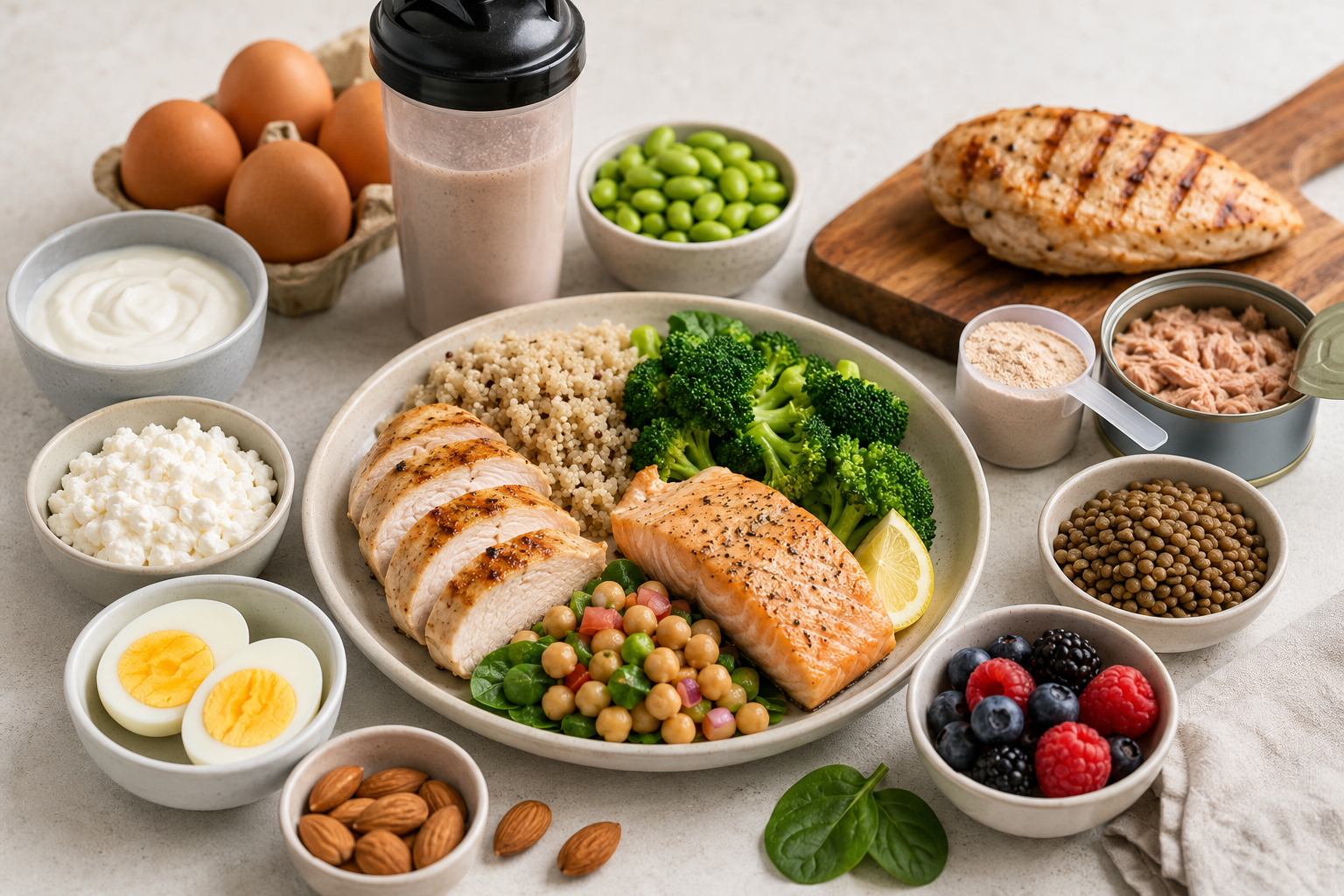
Chicken breast, turkey, eggs, Greek yogurt, cottage cheese, and fatty fish like salmon or tuna are consistently at the top of any dietitian’s list. These foods are rich in essential amino acids, meaning your body can use them efficiently to preserve muscle mass while shedding fat – which is exactly what you want happening during active weight loss.
Plant-Based Protein Alternatives
Lentils, edamame, black beans, tofu, tempeh, and chickpeas are excellent options for those who prefer plant-forward eating. They come with the added bonus of fiber, which slows digestion and keeps you fuller for longer – a major advantage when you’re managing portions post-surgery or during a structured medical weight management program.
Protein Supplements
Whey protein, casein, and plant-based protein powders can fill gaps on days when whole-food sources aren’t practical. They’re especially useful in the early recovery phase after procedures like gastric sleeve surgery or gastric bypass surgery, when hitting your daily protein target through solid food alone can feel like a real challenge.
High Protein Diet Plan for Weight Loss
A good diet plan isn’t just a list of foods – it’s a daily rhythm that keeps hunger under control, supports your energy levels, and makes healthy choices feel natural rather than forced. Structure matters more than perfection here.
What a Typical Day Looks Like
Breakfast might be two scrambled eggs with a side of Greek yogurt – simple, quick, and already putting 25–30 grams of protein on the board before 9 AM.
Lunch could be a grilled chicken salad with quinoa, avocado, and a light lemon dressing. Add chickpeas for an extra protein boost along with a solid dose of fiber to keep mid-afternoon hunger in check.
Dinner works well as baked salmon with steamed broccoli and a small serving of lentils. You’re hitting all three macros without overdoing calories, which is exactly the balance you’re aiming for.
Snacks should be intentional, not mindless. Cottage cheese with berries, a handful of almonds, or a hard-boiled egg between meals helps manage blood sugar and prevents the kind of afternoon hunger that leads to poor choices late in the day.
How Much Protein Do You Actually Need?
For most people pursuing active weight loss, aiming for 1.2–1.6 grams of protein per kilogram of body weight is a reasonable starting point. For bariatric patients – especially those who’ve undergone revision weight loss surgery or more complex procedures like the duodenal switch – protein targets are often higher and must be individualized. The team at BodEvolve works directly with patients to establish the right numbers based on their procedure, current weight, and recovery stage.
Spacing Protein Across Meals
One thing that gets overlooked in most generic diet advice is protein timing. Your body can only absorb and use so much protein at once, so spreading your intake across three to four meals is far more effective than front-loading it all at dinner. This is a principle the BodEvolve nutrition team reinforces with every patient throughout their weight loss surgery before and after journey.
Best Protein Foods for Weight Loss
When you’re deciding what to actually put on your plate, it helps to have a shortlist – not based on trends, but on how well each food performs across three criteria: protein density, calorie-to-protein ratio, and how well it keeps you satisfied between meals.
Top Performers at a Glance
Egg whites are essentially pure protein with almost no fat or calories. They’re flexible, affordable, and easy to prepare in bulk at the start of the week.
Chicken breast (skinless) delivers around 31 grams of protein per 100g cooked. It’s a staple for a reason and one of the most versatile proteins you can keep on hand.
Greek yogurt (plain, full-fat) sits at about 17 grams per cup and carries the added benefit of probiotics – important for gut health, which directly affects appetite regulation and digestion.
Canned tuna in water is inexpensive, shelf-stable, and packs around 25 grams of protein per 100g. Very few foods offer this level of protein for the cost.
Edamame is one of the rare plant foods considered a complete protein. A single cup gives you 17 grams, plus a meaningful hit of fiber.
What to Limit
Even within a high-protein approach, some sources can work against you. Processed deli meats, bacon, and heavily marbled red meats bring along saturated fats and excess sodium that can slow progress – particularly if you’ve recently undergone medical weight management treatment or are managing metabolic conditions like type 2 diabetes alongside your weight.
Foods High in Protein for Weight Loss
This section is really about building a lifestyle, not just a meal plan. When the foods you stock your kitchen with are naturally high in protein, healthy eating stops being a daily decision and starts becoming your default setting.
Stocking a Protein-Forward Kitchen
Keep your fridge loaded with Greek yogurt, eggs, cottage cheese, and pre-cooked chicken. Your pantry should have canned fish, lentils, dry chickpeas, and a quality protein powder. Frozen edamame and pre-portioned nuts work well as grab-and-go options when time is tight.
Eating Out Without Derailing Progress
Restaurant eating is absolutely manageable on a high-protein plan. Look for grilled rather than fried proteins, ask for sauces on the side, and don’t hesitate to swap starchy sides for salads or steamed vegetables. Protein-first eating – where you tackle your protein before anything else on the plate – is a habit BodEvolve patients are coached on from their very first consultation.
When Diet Alone Isn’t Enough
For many people, even a well-executed nutrition plan doesn’t produce the lasting results they’re working toward. If you’ve been consistent and still feel like your efforts aren’t matching your outcomes, it may be worth exploring surgical options. Dr. Frenzel and Dr. Brian Holt at BodEvolve offer a full range of bariatric procedures backed by over 14,000 successful surgeries and a 98% patient satisfaction rate. With locations in Arlington, Richardson, Dallas and Texarkana expert care is accessible across the entire DFW area. Surgery and nutrition aren’t competing approaches – they work best together, and protein remains just as central after the operating table as it does before.
When Is It Time to Go Beyond Diet?
A high protein diet for weight loss isn’t a passing trend – it’s a clinically supported, practically proven approach that preserves lean muscle, controls appetite, and creates the caloric deficit needed to lose weight steadily and keep it off. Whether you’re exploring this independently or as part of a structured program guided by a bariatric specialist, the principles stay the same: prioritize whole protein sources, spread your intake evenly through the day, and stay consistent even when motivation dips.
If you’re ready to take things a step further with expert guidance, the team at BodEvolve is ready to build a plan that genuinely fits your life and your goals. Book a consultation today and take the first real step toward lasting change.
