
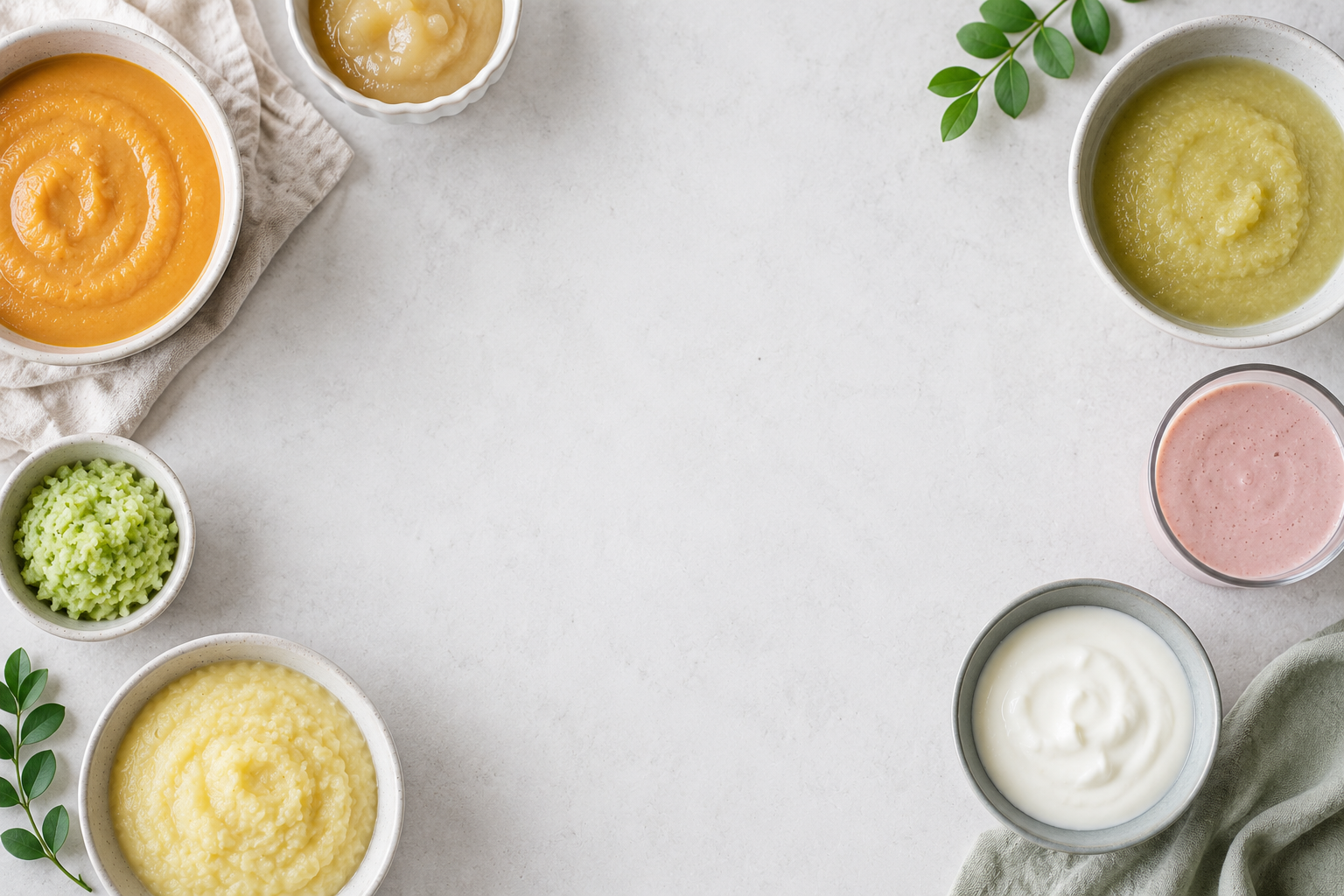
The stage 2 bariatric diet is the full liquid and pureed food phase that begins three to seven days after weight loss surgery and typically runs two to four weeks. It sits between the clear liquid phase and the soft food phase, and understanding where it falls within the broader bariatric diet stages matters, because each phase in the bariatric surgery diet stages is doing a specific healing job. Rush any of them and there are real consequences: pain, vomiting and setbacks that add weeks to recovery.
Stage 2 is also where most patients hit a wall by day four. The rules are clear enough. The stage 2 bariatric diet foods that actually taste like something are harder to find. Your staple lines are still healing, which means everything needs to be completely smooth no chunks, no texture, nothing requiring real chewing. But smooth does not have to mean monotonous, and hitting your 60 to 80 gram daily protein target is entirely possible with food that actually tastes like something.
At BodEvolve, Dr. Clayton Frenzel and his bariatric-trained dietitian team guide patients through every dietary stage after surgery. This guide covers what to eat in Stage 2, which foods to avoid, how long the phase lasts, how it differs between gastric sleeve and gastric bypass patients, and the recipes that hold up in practice.
Bariatric Diet Stages: Where Stage 2 Fits in the Full Timeline
To understand where Stage 2 fits, it helps to see the full roadmap. Bariatric surgery diet stages vary slightly depending on your surgeon and the type of procedure you had, but most programs follow a similar structure:
Stage 1 (Clear Liquids):
This phase starts immediately after surgery and typically lasts one to three days,
sometimes up to five depending on how you’re tolerating fluids. The goal here is
simple: keep your body hydrated and give your surgical site zero work to do.
What most bariatric stage 1 diet plans include:
- Plain water, sipped constantly; not gulped
- Clear, low-sodium broth (chicken or vegetable)
- Sugar-free popsicles with no pulp
- Diluted, pulp-free juice in very small amounts
- Sugar-free gelatin
- Decaffeinated tea or coffee (some programs delay coffee)
What Stage 1 is not: a detox, a fast, or a test of willpower. It is simply the phase
where your body needs the least amount of digestive work while it begins healing.
Most patients find Stage 1 manageable, it is Stage 2, when real eating begins but
real food is still weeks away, where the mental challenge tends to start.
Stage 2 (Full Liquids and Pureed Foods):
This is where things get a little more interesting. Most patients enter Stage 2 somewhere between days three and seven post-op and stay here for two to four weeks.
Stage 3 (Soft Foods):
Scrambled eggs, soft fish, well-cooked vegetables. This stage bridges the gap between puree and real food.
Stage 4 (Regular Diet):
A long-term, protein-forward eating plan that becomes your permanent way of life.
Understanding the 4 stages of bariatric diet matters because each one is doing a specific job. Stage 1 protects your fresh staple lines. Stage 2 starts introducing protein while your stomach heals. Rushing any stage, including Stage 2, can lead to vomiting, pain, and setbacks that nobody wants.
Overview of all 4 bariatric surgery diet stages
| Stage | Timeframe | What you eat |
|---|---|---|
| Stage 1 | First week | Clear liquids |
| Stage 2 | Weeks 2 to 3 | Full liquids and pureed foods |
| Stage 3 | Weeks 3 to 4 | Soft foods |
| Stage 4 | Week 4 onward | Regular bariatric diet |
What Is the Stage 2 Bariatric Diet, Exactly?
The Stage 2 bariatric diet also called the Phase 2 bariatric diet by many surgical programs, is a full liquid and pureed food phase designed to give your body a slow, easy introduction to nutrition after surgery. Your stomach is still very much in recovery mode at this point, so everything you eat needs to be smooth, thin enough to move through your system without stress, and high in protein.
Think of it as eating food that looks like it went through a blender, because a lot of it did.
The general guidelines your surgical team will probably give you include:
- Aim for 60 to 80 grams of protein per day
- Sip fluids constantly all day, targeting 48 to 64 ounces
- No drinking water 30 minutes before or after eating
- Eat slowly, pause between bites or sips, and stop the moment you feel full
- Avoid sugar, carbonation, and anything high in fat
Stage 2 Bariatric Diet Food List: What You Can Actually Eat
One of the biggest questions after surgery is what actually counts as acceptable in this phase. Here is a practical list of what most bariatric programs include in the Stage 2 bariatric diet:
Protein Shakes and Supplements
These are your best friend right now. Look for shakes that provide at least 20 to 30 grams of protein per serving with low sugar and a thin consistency. Whey protein isolate blends tend to sit well for most people.
Greek Yogurt (Plain, Strained)
Plain, full-fat or low-fat Greek yogurt is a Stage 2 staple. It is smooth, protein-rich, and gentle on a healing stomach. Avoid anything with fruit chunks or granola at this point.
Cottage Cheese (Blended)
Regular cottage cheese has texture that many post-op patients find uncomfortable this early. Blend it smooth and it becomes an excellent, high-protein option.
Pureed Lean Proteins
Pureed chicken, pureed fish, and blended eggs are all fair game in most Stage 2 programs. The key is getting them to a completely smooth consistency with no lumps. Adding low-sodium broth while blending helps achieve this.
Thinned Cream Soups
Low-sodium cream of chicken or cream of mushroom soup, thinned with water or skim milk, can add variety. Just always check labels for hidden sugars or heavy cream.
Unsweetened Applesauce and Smooth Pumpkin Puree
These count more as flavor and variety than protein sources, but they are soft, easy to digest, and can help with palatability when protein purees get monotonous.
Protein-Fortified Puddings
Sugar-free pudding mixed with a scoop of protein powder is a popular bariatric Stage 2 diet recipe for good reason. It feels like a treat, hits your protein goals, and requires zero chewing.
Stage 2 Bariatric Diet Recipes That Actually Work
You don’t need a gourmet kitchen to make Stage 2 feel manageable. Here are a few simple bariatric stage 2 diet recipes that patients and dietitians both tend to recommend.
High-Protein Chocolate Mousse
Blend one cup of plain Greek yogurt with one scoop of chocolate whey protein powder and two tablespoons of unsweetened cocoa powder. Thin with a small splash of skim milk if needed. Chill and eat in small portions.
Savory Pureed Chicken Soup
Cook chicken breast in low-sodium broth until very tender. Blend completely with some of the broth until fully smooth. Season with garlic powder and herbs. This recipe delivers real protein without the sweetness of shake-based options.
Pumpkin Spice Protein Shake
Combine one scoop of vanilla protein powder, three tablespoons of canned pumpkin (plain, not pie filling), a pinch of cinnamon, and one cup of unsweetened almond milk. Blend and sip slowly.
Greek Yogurt Dip Base
Mix plain Greek yogurt with a small amount of powdered ranch seasoning (very small amount given sodium content) and use it as a base for blended vegetables. This one transitions nicely into Stage 3 as well.
What to Absolutely Avoid During Stage 2
Knowing what not to eat matters just as much as knowing what to include. The most common mistakes in the Stage 2 bariatric sleeve diet and other procedure types include:
Eating too fast:
Your pouch is tiny and sends fullness signals slowly. If you eat faster than your body can communicate, you will overfill it and the result is painful.
Drinking during meals:
This sounds simple but is surprisingly hard to adjust to. Liquid consumed with food flushes the pouch, removes the fullness sensation, and can cause discomfort.
Sugary or carbonated beverages:
Dumping syndrome is a real risk after many bariatric procedures. Carbonation can also cause pain and bloating that has no upside whatsoever.
Anything with chunks or pieces:
Even if something feels soft to you, if it is not completely smooth at this stage, it is not ready for your stomach. Texture is the issue, not the food itself.
Skipping protein:
Some people get through Stage 2 mostly on yogurt and applesauce because protein purees require more effort to prepare. This is a mistake. Your muscle mass, hair, energy, and long-term results all depend on consistent protein intake from the beginning.
How Long Does the Stage 2 Bariatric Diet Last?
Most programs keep patients in the Stage 2 bariatric diet for about two to four weeks, though some extend it closer to six weeks depending on individual healing. Your surgical team will clear you to advance to Stage 3 based on how you are tolerating food, not just how many days have passed.
Do not try to rush this transition based on what someone else in a Facebook group did. Every surgery is different. Every stomach heals differently.
What Is the 20/20/20 Rule for Gastric Bypass?
The 20/20/20 rule is one of those guidelines that circulates widely in bariatric communities, and for good reason, it translates real post-surgical physiology into something a person can actually remember on day nine of recovery when they are exhausted and just trying to eat lunch.
The breakdown is straightforward. At least 20 grams of protein per meal. Each bite chewed roughly 20 times. Then a full 20-minute wait before deciding whether you need more food. That last part is where most people underestimate the rule. Satiety signals after bariatric surgery do not fire immediately the way they might have before your procedure. Your pouch fills, but the hormonal feedback loop that tells your brain about it takes time to complete. Twenty minutes is roughly the window you need to give it.
A few things worth noting. Protein targets during Stage 2 are typically set as a daily goal, not a per-meal number, so do not get too rigid about hitting 20 grams at every sitting. And not every surgical program uses this exact language, yours might call it something else or frame the principles differently. What matters is the behavior underneath the rule: deliberate eating, thorough chewing, and patience before your next bite.
The Emotional Side Nobody Talks About
Here is something that does not show up in most diet guides: Stage 2 is often mentally exhausting. You just went through major surgery. You are not eating real food yet. You are watching everyone around you eat normally. And you are supposed to be excited about blended chicken.
It is completely normal to feel frustrated, even resentful, in this phase. The best thing you can do is stay connected to your care team, find a bariatric support group (in person or online), and keep reminding yourself what Stage 4 looks like. This phase is short. The results are not.
Stage 2 Gastric Bypass Diet vs Gastric Sleeve: Key Differences
The short answer is: not dramatically, but there are a few things worth knowing depending on your procedure.
For gastric bypass patients specifically, Stage 2 typically runs a little more strictly in terms of portion sizes because the new stomach pouch created during bypass is smaller and more sensitive in the early weeks than a sleeve pouch. Dumping syndrome is also a greater concern with bypass, which means sugar and high-fat foods need to be avoided even more carefully during this phase not just for comfort but because the consequences are more immediate and more severe.
Gastric sleeve patients move through Stage 2 on a similar timeline, though some programs advance sleeve patients to Stage 3 slightly earlier. The sleeve stomach is smaller than before surgery but retains its natural shape, which some patients find allows for slightly better tolerance of texture during the tail end of Stage 2.
For both procedures the fundamental approach is the same: fluids consistently throughout the day, no drinking with meals, nothing with chunks, and no rushing the timeline. If your surgeon or dietitian has given you procedure-specific instructions that differ from anything here, always follow theirs.
Stage 3 Bariatric Diet: What Comes After Stage 2
Once your surgical team clears you to advance, the Stage 3 bariatric diet brings soft solid foods back into your life. This phase typically begins around weeks three to four post-op and can last one to two weeks before you move into regular eating. It is a real milestone and most patients feel it.
What you can eat in Stage 3:
- Scrambled or soft-boiled eggs
- Soft, flaky fish like tilapia or cod
- Finely shredded chicken or turkey, well-moistened
- Refried beans (low-sodium, no lard)
- Soft-cooked vegetables with no fibrous skin
- Ricotta cheese or soft tofu
Two simple bariatric stage 3 diet recipes to start with:
Soft Ricotta Bowl: Mix half a cup of ricotta cheese with a small drizzle of olive oil, a pinch of garlic powder, and finely chopped fresh herbs. Eat slowly in a small portion. High in protein, gentle on the stomach, and it actually tastes like real food.
Shredded Chicken with Broth: Cook chicken thighs in low-sodium broth until they fall apart. Shred very finely, return to a small amount of warm broth to keep it moist, and eat in a few-tablespoon portion. Simple, high protein, and one of the most commonly recommended bariatric stage 3 diet recipes from dietitians.
Stage 4 is where the bariatric diet becomes genuinely sustainable: real food, mindful portions, protein first at every meal, and an eating pattern that looks nothing like it did before surgery. But each stage earns the next. Stage 3 is not the finish line. It is the proof that Stage 2 worked.
A note on Stage 5: Some bariatric programs label long-term maintenance eating as a Stage 5 bariatric diet rather than folding it into Stage 4. The distinction varies by surgical program. If your care team references a Stage 5, it typically means a further relaxation of texture restrictions combined with a continued focus on protein-first eating, adequate hydration, and avoiding the high-sugar and high-fat patterns that can lead to weight regain. The principles are the same as Stage 4, the label is the only thing that changes.
Final Thought
The Stage 2 bariatric diet is not a punishment and it is not just a formality. It is the foundation your body needs to heal correctly after one of the most significant decisions of your life. Take it seriously, get your protein in every day, keep sipping your fluids, and reach out to your BodEvolve care team when you have questions. The habits you build right now in Stage 2 are the ones that carry you through every stage that follows.
Frequently Asked Questions
What is a Phase 2 bariatric diet?
Phase 2 and Stage 2 refer to the same post-operative eating phase, the terms are used interchangeably depending on the surgical program. This is the full liquid and pureed food stage that typically begins around days three to seven after surgery and continues for two to four weeks. The goal is to introduce real nutrition, especially protein, while your stomach is still healing from surgery. Everything consumed during this phase needs to be completely smooth with no chunks, lumps, or texture that requires significant chewing.
What foods can I eat on Stage 2 gastric sleeve?
For gastric sleeve patients in Stage 2, the approved food list includes plain Greek yogurt, blended cottage cheese, pureed chicken or fish, protein shakes, thinned cream soups made with low-sodium broth or skim milk, smooth pumpkin puree, unsweetened applesauce, and sugar-free pudding mixed with protein powder. Every item needs to pass what bariatric dietitians sometimes call the applesauce test: if it is not as smooth as applesauce, it is not ready for your stomach at this stage.
What is the 20/20/20 rule for gastric bypass?
The 20/20/20 rule is a guideline that many bariatric programs recommend to help patients build healthy eating habits after surgery. It means aiming for at least 20 grams of protein at each meal, chewing each bite approximately 20 times before swallowing, and waiting 20 minutes before deciding if you need more food. This last point matters most in early recovery because fullness signals travel slowly after surgery. Eating by the clock rather than by sensation helps prevent overfilling the pouch during stages when your body has not fully adjusted yet.
What chips are bariatric friendly?
During Stage 2 specifically, no chips of any kind are appropriate. The texture, crunch, and typically high fat or sodium content make them incompatible with a healing post-operative stomach. Once you reach Stage 4 and your surgical team has cleared you for regular foods, some patients tolerate very thin, baked, low-fat options in very small amounts, but chips should never be an early or regular part of a bariatric diet in any stage. Protein always takes priority over snack foods, and most bariatric programs recommend avoiding chip-style snacks long term because they are easy to eat past fullness without realizing it.
How long does the stage 2 bariatric diet last?
Usually about one to two weeks, though your surgeon sets the timing based on how you heal. Move to stage 3 only when cleared.
Can you eat eggs on the stage 2 bariatric diet?
Soft, pureed, or scrambled eggs are sometimes allowed late in stage 2, but many programs hold them until stage 3. Follow your surgeon’s list.
