
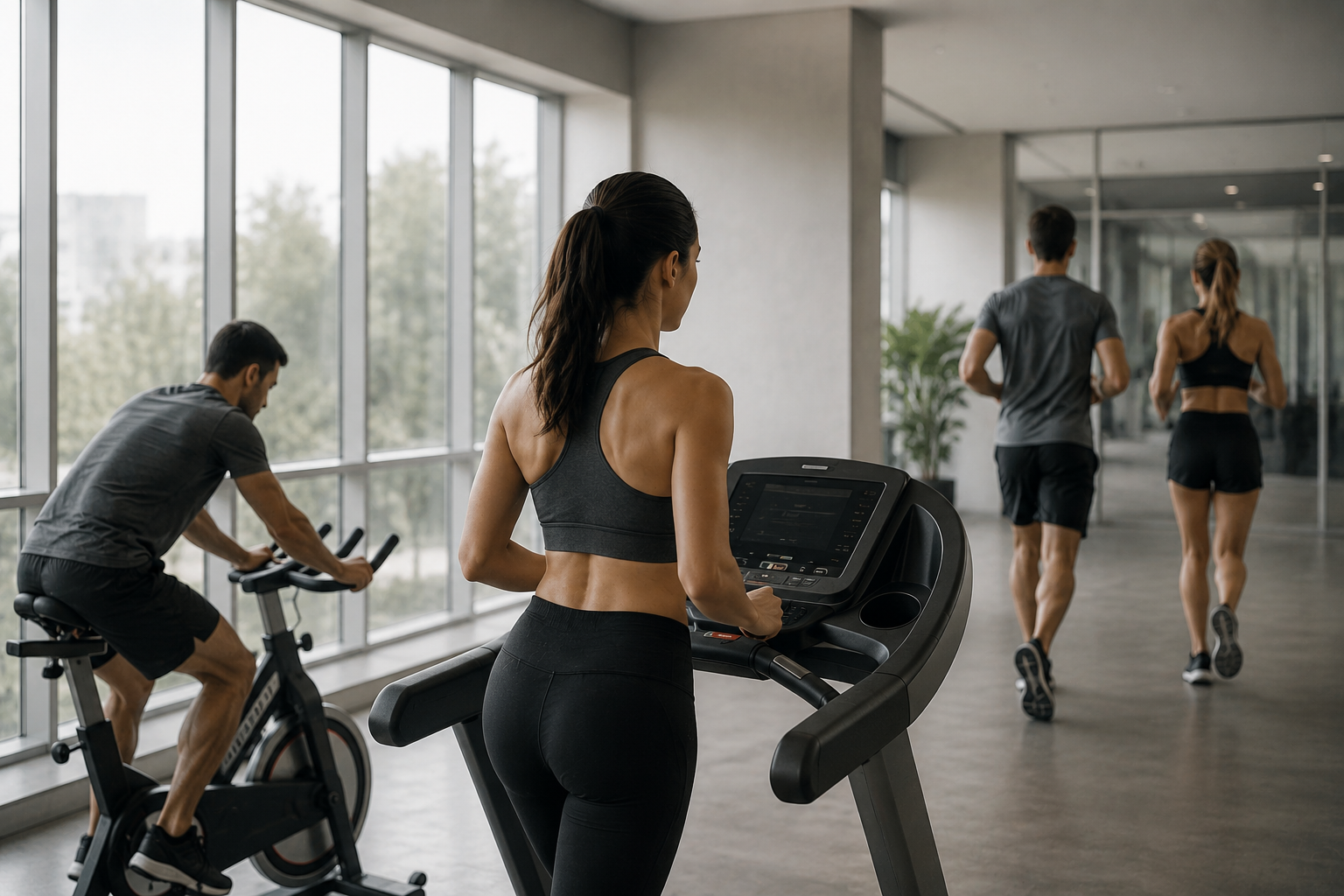
What Is the Best Cardio for Weight Loss?
The best cardio for weight loss is a mix of high-intensity interval training (HIIT), running or brisk walking, cycling, rowing, and jump rope, done for 150 to 300 minutes per week. HIIT burns the most fat per minute, while steady-state cardio like walking and cycling is easier to sustain long-term. The right combination depends on your current fitness level, joint health, and how much time you can commit each week. Most people lose weight fastest when they mix two or three cardio styles across the week rather than sticking to one. For example, two HIIT sessions, two steady cycling or walking sessions, and one longer weekend workout gives the body enough variety to keep burning fat without hitting a plateau. For anyone recovering from bariatric surgery, joint problems, or a long break from exercise, low-impact options like brisk walking, stationary cycling, and swimming are the safer starting point before building up to higher-intensity work.Why Cardio Helps You Lose Weight
Cardio burns calories during your workout and keeps your metabolism elevated for hours after. Some forms, like HIIT, trigger what researchers call EPOC (excess post-exercise oxygen consumption), where the body keeps burning fat well after you have stopped sweating. Cardiovascular exercise also helps regulate appetite hormones, reduces visceral belly fat, and improves blood pressure and cholesterol. For people carrying significant excess weight, even brisk walking can produce real fat loss in the first few weeks. As fitness improves, the body adapts, which is why mixing intensities matters.Aerobic Exercise for Fat Loss: How It Works
Aerobic exercise is any activity that uses oxygen to fuel the muscles over a sustained period. Aerobics for fat loss works because steady oxygen-fueled movement taps directly into stored body fat for energy once your glycogen reserves drop. Walking, jogging, swimming, dance aerobics, and rowing all qualify as aerobic exercise. The best aerobic exercise to lose weight is the one you can do consistently at a moderate to vigorous pace. Cardiovascular exercise builds heart and lung capacity over time, which means each session burns more calories as you get fitter. Aerobic exercise for fat burning works best when sessions last at least 30 minutes, giving the body time to shift from sugar-burning to fat-burning mode.Best Cardio Exercises for Weight Loss
-
High-Intensity Interval Training (HIIT)
HIIT alternates short bursts of all-out effort with brief recovery. A typical session runs 15 to 25 minutes and burns more fat per minute than steady-state cardio. A common format is 30 seconds of sprinting followed by 60 seconds of walking, repeated 8 to 10 times.
-
Running and Jogging
Running burns 600 to 900 calories per hour depending on pace and body weight. Beginners do well starting with a walk-jog interval approach before building up to a continuous run. -
Jump Rope
Ten minutes of jump rope equals roughly 30 minutes of jogging. It is cheap, portable, and trains coordination along with cardio capacity. -
Cycling
Both outdoor and indoor cycling are easy on joints. A 45-minute spin class burns 400 to 600 calories, making cycling one of the better low-impact options. -
Swimming
Full-body engagement, zero joint impact, and a steady calorie burn make swimming ideal for anyone with knee or back issues. Lap swimming burns 400 to 700 calories per hour.
Best Cardio Machines for Weight Loss
If you train at the gym, machine choice matters more than most people realize.Rowing machine:
Engages about 86 percent of the body’s muscles, including back, legs, core, and arms. A 30-minute rowing session burns 300 to 500 calories.Treadmill:
The most versatile machine. Walking on an incline mimics hiking and burns serious fat without joint stress. Sprint intervals make it equally effective for advanced trainees.Elliptical:
Strong choice for people with knee pain or those recovering from an injury. Adjusting resistance and incline turns an easy workout into a real calorie burner. The best elliptical workout for weight loss alternates high-resistance climbs with quick-pace recovery rounds.Stationary bike:
Both upright and recumbent bikes work. Upright bikes with resistance shifts tend to burn the most.Stair climber:
Builds glutes and quads while pushing heart rate higher than most other machines. For home setups, a foldable treadmill, compact rowing machine, or magnetic resistance bike are the best at home cardio machine choices for weight loss. They take less space than gym equipment and deliver the same calorie burn when used consistently.Best Heart Rate for Cardio Weight Loss
Your heart rate during cardio decides how your body fuels the workout. There are two main zones that matter for fat loss:Fat-burning zone (60 to 70 percent of max heart rate):
Burns a higher percentage of calories from fat. Best for long, steady sessions like incline walking or easy cycling.Cardio zone (70 to 85 percent of max heart rate):
Burns more total calories per minute. The fat percentage is smaller, but the absolute fat burn is larger. To find your max heart rate, subtract your age from 220. So a 40-year-old has a max heart rate of around 180, with the fat-burning zone falling between 108 and 126 beats per minute. The cardio zone burns more total fat over the same time, even though the fat-burning zone has a higher fat-to-calorie ratio. Mixing both zones across the week produces the best results. Heart rate monitors and fitness watches make tracking easy.Best Cardio Workouts for Weight Loss at Home
You do not need a gym membership. The most effective home cardio workouts use bodyweight, gravity, and timed intervals to burn fat in tight spaces. Here is a 30-minute at-home cardio routine that requires zero equipment:- 5-minute warmup: marching in place, arm circles, leg swings
- 1 minute jumping jacks
- 1 minute high knees
- 1 minute mountain climbers
- 1 minute burpees
- 1 minute rest
- Repeat the 5-minute circuit 4 times
- 5-minute cooldown stretch
Cardio Exercises for Belly Fat
No exercise spot-reduces belly fat. What cardio does is lower overall body fat percentage, which eventually pulls fat from the midsection as well. The most effective cardio for belly fat includes HIIT sprints, rowing, stair climbing, cycling with resistance intervals, and jump rope. The belly carries two types of fat. Subcutaneous fat sits under the skin and is what you can pinch. Visceral fat surrounds organs and is far more dangerous, raising risk for diabetes, heart disease, and stroke. Visceral fat responds especially well to interval training. People doing HIIT three times a week tend to lose more visceral fat than those doing steady cardio of equal duration.A sample belly-fat-focused workout:
- 5-minute warmup walk
- 30 seconds sprint, 90 seconds walk (repeat 8 times)
- 5-minute cooldown
HIIT Workout for Fat Loss: The Most Effective Approach
Here is a 20-minute HIIT workout that burns real fat:- 5-minute dynamic warmup
- 30 seconds high knees, 30 seconds rest
- 30 seconds jump squats, 30 seconds rest
- 30 seconds mountain climbers, 30 seconds rest
- 30 seconds burpees, 30 seconds rest
- Repeat the circuit 3 times
- 3-minute cooldown
Best Time to Do Cardio for Weight Loss
Morning cardio on an empty stomach can slightly raise fat oxidation. Studies show fasted cardio burns about 20 percent more fat per session compared to fed cardio of the same intensity. The catch is that the total difference over weeks is small, and some people feel weak or dizzy without food, which hurts workout quality. Evening cardio has its own advantages. Body temperature, muscle strength, and reaction time peak in the late afternoon, which means workouts feel easier and outputs are higher. People who train in the evening often push harder and burn more total calories. What matters more than timing is consistency. The best time to do cardio for weight loss is whenever you will actually do it. People who train at the same time every day stick with their routine longer than those who try to fit it in randomly.A few practical rules:
- If you train before breakfast, keep sessions under 45 minutes and stay hydrated
- If you train after work, eat a light carb-and-protein snack 60 to 90 minutes before
- Avoid heavy cardio within 2 hours of bedtime, as it can disrupt sleep
Combining Cardio and Strength Training for Weight Loss
Cardio alone often pulls muscle off along with fat, which slows metabolism over time. Adding two or three strength sessions per week preserves muscle, keeps the metabolism active, and produces a leaner look. Combining cardio and strength training is the best approach for long-term weight loss and body composition.A practical weekly split:
- 3 days cardio (mix of HIIT and steady-state)
- 2 to 3 days strength training
- 1 active recovery day (walking or yoga)
- 1 full rest day
How Much Cardio Do You Need for Weight Loss
The American Heart Association recommends 150 minutes of moderate cardio or 75 minutes of vigorous cardio per week for general health. For weight loss, that number climbs to 250 to 300 minutes of moderate activity weekly. Here is how that breaks down by fitness level:Beginner (first 4 to 6 weeks):
3 to 4 sessions of 20 to 30 minutes at moderate pace. Total: 90 to 120 minutes per week. Focus on building the habit before chasing intensity.Intermediate (after 6 weeks):
4 to 5 sessions of 30 to 45 minutes, mixing 2 HIIT and 2 to 3 steady-state. Total: 150 to 225 minutes per week.Advanced:
5 to 6 sessions of 45 to 60 minutes, including 2 to 3 HIIT, 1 long steady-state session, and 1 to 2 recovery cardio sessions. Total: 250 to 360 minutes per week. Doing more than 6 hours of cardio per week without enough food, sleep, or recovery often backfires. The body raises stress hormones, holds onto fat, and burns muscle. Signs of overtraining include constant fatigue, poor sleep, plateaued weight, and elevated resting heart rate. If you see these, cut back for a week.When Cardio and Diet Are Not Enough
For some people, especially those with a BMI over 35 or weight-related health conditions, cardio and diet alone do not produce lasting results. Hormonal shifts, metabolic adaptation, and years of yo-yo dieting can make traditional weight loss methods stall out. In these cases, medical weight loss options can help reset the body’s set point. If you have been working out consistently without seeing real changes, it may be worth speaking with a specialist. The team at BodEvolve Bariatric helps patients across the DFW area find lasting weight loss solutions when exercise and diet are not producing results. Options like gastric sleeve surgery and gastric bypass are considered for the right candidates after a full evaluation. Patients in Arlington, Richardson, Dallas, and Texarkana surrounding communities have access to comprehensive bariatric care. Cardio is one tool in the weight loss toolkit. For some, it is enough. For others, the right combination of medical care, nutrition support, and exercise is what finally produces lasting results.Frequently Asked Questions
What cardio burns the most fat?
High-intensity interval training (HIIT) burns the most fat per minute, followed by running, rowing and jump rope. But the “best” fat-burning cardio is the one you will actually do consistently. Steady-state walking done four to five times a week often beats HIIT that gets abandoned after two weeks.
How do I drop 20 pounds fast?
Losing 20 pounds safely takes roughly 4 to 6 months at a healthy pace of 1 to 2 pounds per week. Faster loss usually returns as quickly as it left. For patients who need larger, sustained weight loss for medical reasons, physician-supervised programs and bariatric procedures produce far more reliable long-term results.
Will 30 minutes of cardio help you lose weight?
Yes, but only if your diet supports it. Thirty minutes of moderate cardio burns roughly 200 to 400 calories depending on intensity and body size. That is real, but a single large snack can wipe it out. Cardio drives weight loss when paired with a calorie deficit, not on its own.
Does 12/3/30 actually burn fat?
Yes, 12/3/30 (12% incline, 3 mph, 30 minutes) burns around 250 to 400 calories per session and is easier on the joints than running. It works because it is consistent, not because the numbers are magic. Any incline walk done four to five times a week produces similar fat-loss results.
