
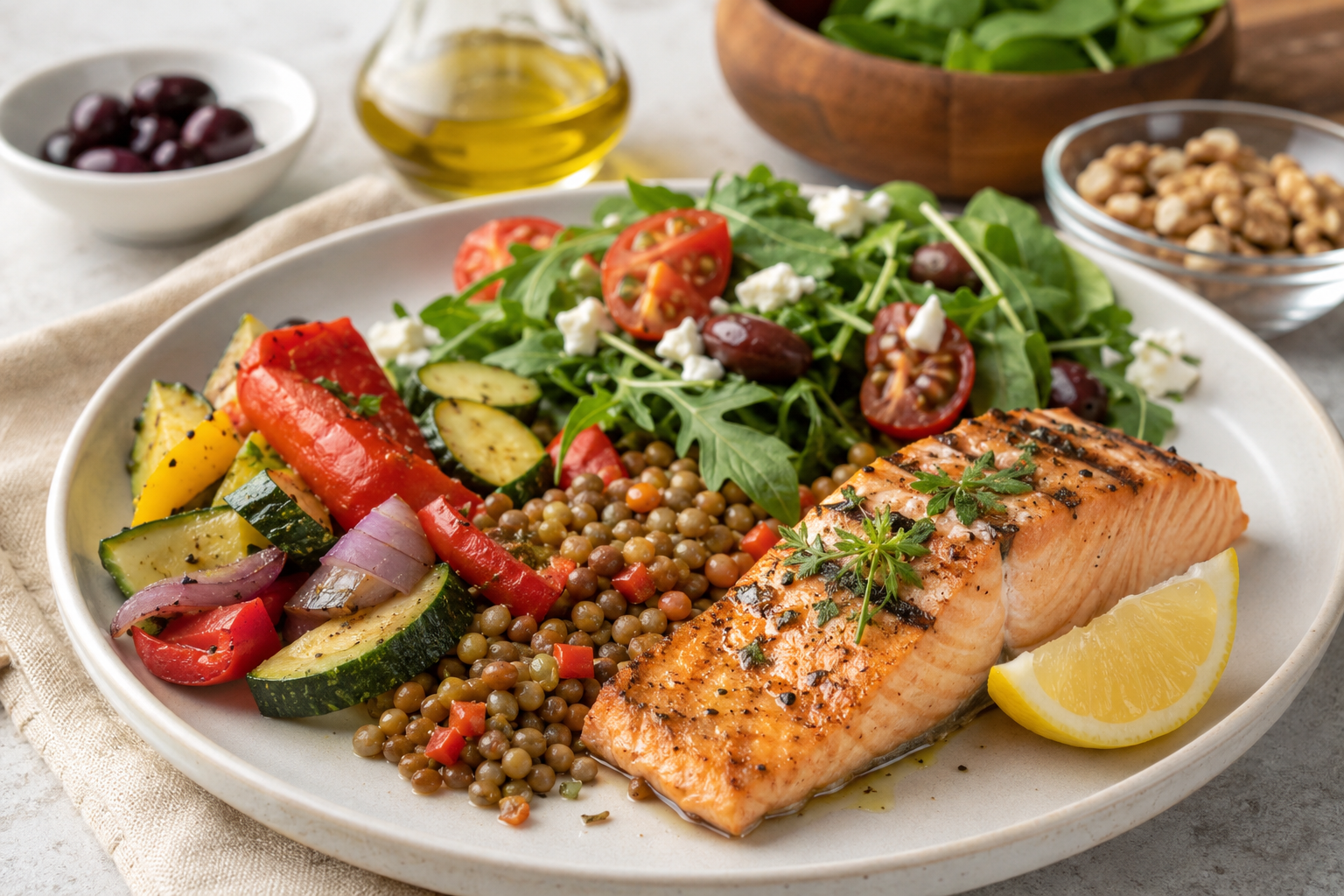
Mediterranean diet for weight loss is one of the most talked-about topics in the health and nutrition space, and for good reason. But when you have gone through bariatric surgery, the conversation takes on a whole new level of meaning. Eating the right foods is no longer just a lifestyle choice. It becomes the foundation of your recovery, your results, and your long-term health. At BodEvolve Bariatric and Cosmetic Surgery Center in Texas, patients are guided by board-certified surgeons Dr. Clayton Frenzel and Dr. Brian Holt, who understand that surgery is only one part of the journey. What you put on your plate every single day after surgery is what drives lasting transformation.
Mediterranean Diet and Weight Loss: Why This Eating Style Works So Well
So what makes the Mediterranean diet such a powerful tool for losing weight? It is not a rigid meal plan. It is a way of eating rooted in whole, minimally processed foods. Think lean proteins like grilled fish and chicken, healthy fats from olive oil and avocados, fiber-rich legumes, colorful vegetables, and low-glycemic fruits. Refined carbs and added sugars are kept to a minimum. This combination keeps blood sugar stable, reduces inflammation, and supports a gradual caloric deficit, all without leaving you feeling starved or deprived.
For bariatric patients specifically, this matters a lot. After a procedure like gastric sleeve surgery or gastric bypass surgery, your stomach capacity is dramatically reduced. You simply cannot eat large volumes of food. What you eat has to count nutritionally, and Mediterranean-style foods are dense in vitamins, minerals, and protein without being calorically overwhelming. A small portion of grilled salmon with roasted zucchini and a drizzle of olive oil checks nearly every box a post-op patient needs.
High Protein Options That Fit Both Worlds
Bariatric guidelines and Mediterranean eating both prioritize lean protein. Good overlapping choices include grilled chicken, canned tuna, eggs, Greek yogurt, lentils, and white fish. Protein should always come first on the plate, especially in the early months after surgery.
Anti-Inflammatory Foods Help With Recovery
The olive oil, walnuts, fatty fish, and leafy greens that define Mediterranean eating are all rich in omega-3 fatty acids and antioxidants. These nutrients actively support healing after surgery, reduce post-operative inflammation, and can even help protect muscle mass as you lose weight.
Fiber Works for You, Not Against You
One concern after bariatric surgery is tolerance to fibrous foods. The Mediterranean approach includes soft fiber sources like cooked lentils, hummus, steamed vegetables, and well-cooked beans. These are far easier to tolerate than raw cruciferous vegetables or whole grains in the early post-op phase, and they help maintain gut health, which is often disrupted after surgery.
A Simple Mediterranean Diet Meal Plan to Kickstart Your Weight Loss
Beginning a mediterranean diet meal plan should not be stressful at all. All you need to do is eat foods that are natural and healthy. Lean proteins, heart-healthy fats, fresh vegetables, and legumes do the heavy lifting here. Below is a beginner-friendly 3-day snapshot to get you started.
Day | Breakfast | Lunch | Dinner |
Day 1 | Scrambled eggs with spinach and olive oil | Grilled chicken over soft lentils | Baked salmon with roasted zucchini |
Day 2 | Greek yogurt with fresh berries | Hummus wrap with cucumber slices | Grilled cod with steamed green beans |
Day 3 | Boiled eggs with sliced avocado | Tuna salad with cherry tomatoes | Chicken with roasted bell peppers |
This plan keeps portions sensible, protein front and center, and processed foods completely out of the picture. Small, consistent choices like these add up to real, lasting results over time.
Weight Loss With Mediterranean Diet: Real Results After Bariatric Surgery
Patients who undergo procedures like duodenal switch surgery or SADI-S surgery at BodEvolve already have a powerful metabolic advantage. These surgeries alter how the body absorbs calories and hormones like ghrelin, which controls hunger. When you pair that advantage with a Mediterranean-style eating pattern, you are essentially building a two-engine system for fat loss.
Studies consistently show that Mediterranean eating promotes sustainable fat loss, reduces visceral belly fat, and lowers the risk of cardiovascular disease and type 2 diabetes. For bariatric patients, who already face elevated risks in those areas, this is not just about fitting into a smaller size. It is about genuinely extending life expectancy and improving quality of life. If you have experienced a weight loss stall after gastric sleeve, shifting toward Mediterranean-style eating with consistent protein intake can sometimes break through plateaus without resorting to extreme restriction.
What a Post-Op Mediterranean Day Might Look Like
A typical day could start with scrambled eggs with spinach and a small amount of feta. Lunch might be a small portion of grilled salmon over soft-cooked lentils. Dinner could be chicken with roasted bell peppers and a tablespoon of olive oil. Snacks like hummus with cucumber or a small handful of walnuts work well for patients who are past the liquid and pureed phases.
Weight Loss on the Mediterranean Diet: Navigating Challenges as a Bariatric Patient
Not every part of Mediterranean eating translates seamlessly to life after surgery. Raw vegetables, large pieces of bread, nuts in high quantities, and whole grains can all be difficult to tolerate, especially in the first six to twelve months. The key is to adapt. Roasting or steaming vegetables makes them far easier to digest. Bread can largely be skipped. Olive oil can replace butter in small amounts for cooking. Nuts can be blended into nut butters for easier consumption.
It is also worth noting that foamies after bariatric surgery are often triggered by eating too quickly or choosing foods that are too dense or dry. Mediterranean foods that are cooked soft, moist, and seasoned with olive oil tend to be gentler on the new stomach pouch. This naturally encourages slower, more mindful eating, which is exactly what bariatric patients are coached to do.
Another concern is supplementation. Mediterranean eating is nutrient-rich, but bariatric patients have increased needs for iron, B12, vitamin D, calcium, and zinc. No diet alone can fully replace targeted supplementation after surgery, and the care team at BodEvolve will guide patients through what they need based on their specific procedure and lab results.
Mediterranean Weight Loss Diet: Your Next Step Starts in Texas
The Mediterranean diet for weight loss is not just a trend. For bariatric patients, it is one of the smartest, most sustainable eating frameworks available, and it pairs beautifully with the metabolic reset that surgery provides. If you are considering bariatric surgery or are already post-op and looking to optimize your results, BodEvolve Bariatric and Cosmetic Surgery Center is ready to guide you. With locations in Dallas, Richardson, Arlington, and Texarkana, Dr. Clayton Frenzel and Dr. Brian Holt bring triple board-certified expertise and a genuinely patient-first approach to every consultation.
Whether you are just beginning your weight loss journey or are looking for weight loss surgery before and after results, BodEvolve’s team has the experience and compassion to support you every step of the way. Book your consultation today and take the first real step toward a healthier, lighter, and more energetic life.
