
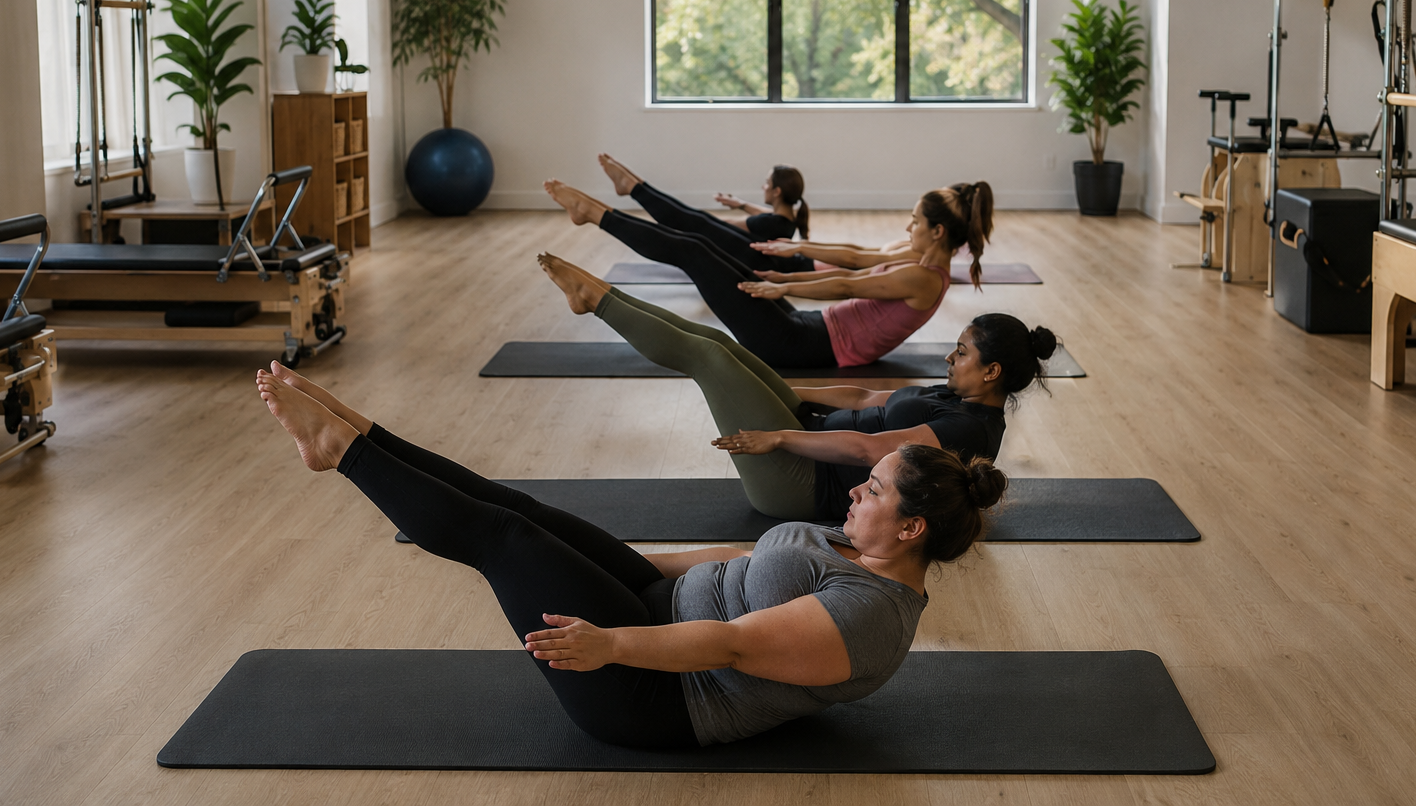
Is pilates good for weight loss after bariatric surgery? The short answer is yes, but with important context. Pilates is not a calorie-torching cardio session on its own. What it does, particularly for patients who have had a procedure like gastric sleeve or gastric bypass, is build a foundation of functional strength, core stability, and body awareness that directly supports long-term weight management. At BodEvolve, surgeons like Dr. Clayton Frenzel, a triple board-certified, dual fellowship-trained bariatric and cosmetic surgeon, consistently stress that post-op movement choices matter just as much as the surgery itself. Pilates, when introduced at the right time and with the right guidance, is one of the most sensible recovery tools a bariatric patient can add to their routine.
Does Pilates Help You Lose Weight After Bariatric Surgery?
When someone asks if pilates helps you lose weight, the honest answer is that it works best as part of a larger picture. Post-surgery, your body is healing. High-impact workouts are off the table for weeks. That window, usually somewhere between weeks four and eight depending on your surgeon’s clearance, is exactly when gentle, controlled movement like Pilates becomes incredibly valuable.
What Pilates Actually Does to the Body
Pilates builds lean muscle mass. Lean muscle raises your resting metabolic rate, which means your body burns more calories even when you are sitting still. For a bariatric patient who is eating significantly less than before, this metabolic support matters a great deal. Additionally, the breathwork and postural corrections taught in Pilates reduce cortisol levels, and chronically elevated cortisol is one of the less-discussed reasons people plateau during weight loss. Pairing this with natural metabolism-supporting additions like cayenne pepper for weight loss is something many BodEvolve patients explore as they build their recovery routine.
Why Low-Impact Matters Post-Op
After a duodenal switch or SADI-S, jumping into intense exercise carries real risks including hernia, internal bleeding, and setbacks that can derail progress for months. Pilates keeps the heart rate elevated enough to support cardiovascular health without stressing incision sites or the digestive system. This makes it a recovery-smart choice that the care teams at BodEvolve actively support.
Is Pilates Effective for Weight Loss When Combined With a Bariatric Program?
Is pilates effective for weight loss on a standalone basis for someone without surgery? Somewhat. But for a bariatric patient in recovery, the effectiveness shoots up significantly because the conditions are different. Your caloric intake is controlled, your hunger hormones are altered, and your body is in a phase where it responds strongly to new movement patterns.
The Core Strength Connection to Weight Loss
The deep abdominal muscles targeted in Pilates, primarily the transverse abdominis, are among the first to weaken after abdominal surgery. Rebuilding that layer of support reduces back pain, improves posture, and allows patients to progress to higher-intensity activities faster. Patients following a medical weight management plan at BodEvolve often find that Pilates helps them feel capable again, which is a psychological boost that should not be underestimated.
Starting Slow is Not Weakness
A lot of people feel frustrated in the early weeks after surgery because they cannot exercise the way they used to. Reading topics like bariatric snacks and bariatric meal guide alongside light Pilates practice helps patients realize that recovery is active, not passive. Nutrition and movement work together, and Pilates fits neatly into that recovery rhythm.
Does Pilates Work for Weight Loss During the Plateau Phase?
Weight loss plateaus are common around months three to six after surgery. Does pilates work for weight loss during this tricky phase? Often, yes, and here is why.
Breaking the Plateau With Movement Variety
When the body adapts to a routine, it becomes more efficient and burns fewer calories doing the same thing. Pilates introduces varied movement patterns that challenge different muscle groups and neuromuscular pathways. Mat Pilates, reformer Pilates, and standing Pilates progressions each offer new stimuli. Patients who have had a revision weight loss surgery may be starting their movement journey almost from scratch, and Pilates progressions offer a safe, structured ladder from beginner to intermediate without overwhelming the body.
Pilates and Stress Reduction That Supports Weight Loss
Emotional eating and stress eating are real patterns for many bariatric patients, even after surgery. Pilates is one of the few exercises that integrates mental focus so deeply into the physical work that it functions almost like a moving meditation. The concentration required during each movement leaves little room for the anxious thoughts that often trigger overeating. Many patients also find that winding down with calming options like lemon balm tea for weight loss after an evening Pilates session supports both relaxation and their overall wellness goals. This makes Pilates particularly valuable for patients working through the emotional side of their weight loss journey, a topic that BodEvolve takes seriously as part of its comprehensive care approach.
Are Pilates Effective for Weight Loss Without Overdoing Recovery?
Are pilates effective for weight loss without pushing a healing body too hard? Absolutely, and that balance is what makes the practice so appropriate for the post-bariatric recovery window. The key is knowing when and how to begin.
When to Start Pilates After Bariatric Surgery
Most BodEvolve patients receive clearance for light, low-impact movement within four to six weeks post-op, though this varies by individual and procedure type. Gentle walking comes first. Floor-based Pilates breathing exercises and minor core activation can often follow shortly after. Full mat Pilates typically becomes appropriate by weeks eight to twelve, always subject to surgeon guidance. Patients are encouraged to check their specific timelines with the care team during follow-up appointments.
Finding Classes and Resources in DFW
Dallas-Fort Worth has a growing number of Pilates studios that offer beginner-friendly and rehabilitation-focused formats. Virtual classes are also widely available, which is convenient during the early weeks when driving and commuting are still limited. Starting with a certified instructor who understands post-surgical needs is highly recommended. If you mention your surgery and timeline, a knowledgeable instructor can modify movements so they are safe and productive from day one.
Start Your Recovery the Right Way With Us
Is pilates good for weight loss after bariatric surgery? Without question, when it is approached with patience and paired with the nutritional and medical support that makes a real difference. At BodEvolve, patients do not just receive surgery and go home. They receive a full recovery roadmap built around their individual procedure and lifestyle. From bariatric puree recipes that fuel healing to guidance on movement, every piece of the recovery is supported. Whether you have a gastric sleeve, gastric bypass, or are exploring medical weight management options, the team at BodEvolve is here to guide you toward results that actually last.
BodEvolve serves patients across the DFW area with convenient locations in Arlington, Richardson, Dallas, or Texarkana. Book a consultation today and take the next step toward a healthier, stronger version of yourself.
