
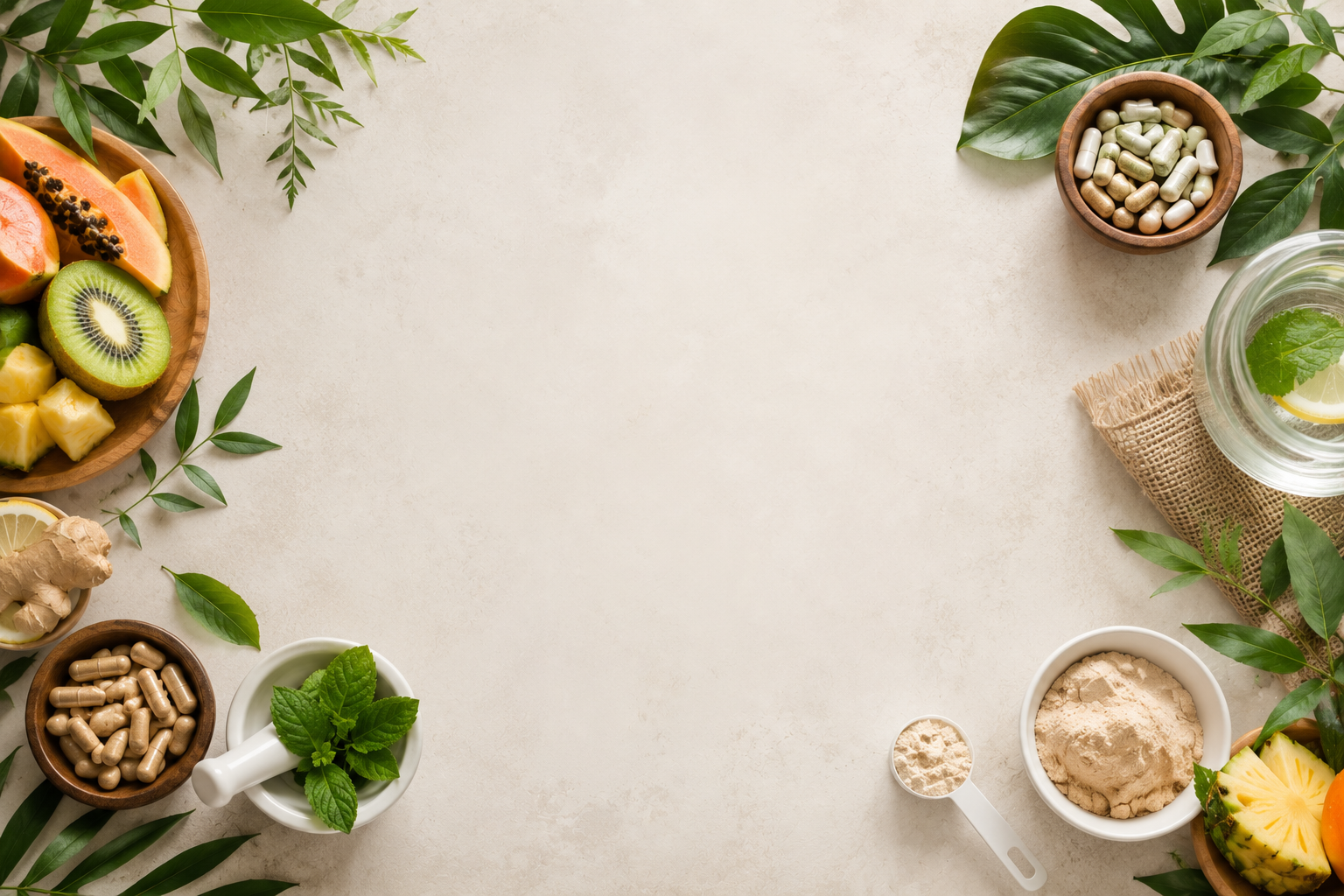
Best digestive enzymes for weight loss are supplements that contain protease, lipase, amylase, bromelain, papain, and lactase, which help your body break down protein, fat, carbohydrates, and dairy more efficiently. They do not burn fat directly, but they support weight loss by improving digestion, reducing bloating, boosting nutrient absorption, and helping the gut process food properly. For people with digestive issues, sluggish metabolism, or post-bariatric surgery, the right enzyme blend can make a real difference in how the scale, the mirror, and the gut feel every day.
What Are Digestive Enzymes?
Digestive enzymes are proteins your body naturally produces in the mouth, stomach, pancreas, and small intestine. Their job is to break large food molecules into smaller pieces your body can absorb and use for energy.
When enzyme production drops due to age, stress, illness, poor diet, or surgery, food does not break down well. That undigested food ferments in the gut, leading to gas, bloating, fatigue, and stubborn belly weight. Supplementing with the right enzymes can restore that balance.
Best Digestive Enzymes for Weight Loss: The Main Types
Not all enzymes do the same job. Choosing the right ones depends on what you eat and where your digestion struggles most.
1. Protease
Breaks down protein into amino acids. This supports muscle repair, curbs hunger, and helps you feel full longer. If you follow a high protein diet for weight loss, protease is essential.
2. Lipase
Breaks down dietary fats. Poor fat digestion often shows up as greasy stools, bloating after meals, and stubborn belly fat. Lipase is one of the most important enzymes for anyone trying to lose weight.
3. Amylase
Breaks down starches and complex carbs into simple sugars. It helps prevent the sluggish, heavy feeling after high-carb meals and supports steadier blood sugar.
4. Lactase
Breaks down lactose in dairy. If milk, cheese, or yogurt makes you bloat, lactase can prevent the water retention that often gets mistaken for fat gain. Our guide on belly fat vs bloating explains the difference.
5. Bromelain
An enzyme found in pineapple that breaks down protein and has anti-inflammatory effects. Good for people with digestive discomfort and inflammation-related belly weight.
6. Papain
Extracted from papaya, papain helps digest protein and soothe the gut. Both bromelain and papain are popular in bariatric-friendly enzyme blends.
Do Digestive Enzymes Really Help With Weight Loss?
The honest answer is yes, but indirectly. Digestive enzymes do not burn calories or melt fat. What they do is fix the underlying digestive problems that stall weight loss.
Here is how that plays out:
Better digestion means less bloating:
A flatter belly by evening can be several pounds of trapped gas and fluid. Our post on how to lose water weight covers this in detail.
Improved nutrient absorption reduces cravings:
When your body absorbs vitamins and minerals properly, you feel satisfied faster and crave less junk food.
Faster protein breakdown supports metabolism:
More amino acids mean better muscle recovery and a stronger fat-burning engine.
Healthier gut environment lowers inflammation:
Chronic inflammation is a known driver of belly fat and insulin resistance. Read our insulin resistance diet guide for more.
Steadier blood sugar reduces fat storage. When starches break down properly, blood sugar spikes flatten out and less fat gets stored around the middle.
Signs You Might Need Digestive Enzymes
Not everyone needs an enzyme supplement, but certain symptoms are strong clues:
- Bloating and gas after most meals
- Heavy, sluggish feeling after eating
- Undigested food in stool
- Chronic constipation or loose stools
- Fatigue after meals
- Persistent belly weight despite clean eating
- Nutrient deficiencies even on a good diet
- Cravings that will not go away
If several of these apply, your digestion likely needs support. Also check our guide on medical reasons for not losing weight to rule out other blockers.
Digestive Enzymes vs Probiotics for Weight Loss
These two often get confused. Enzymes break down the food you eat. Probiotics are live bacteria that maintain a healthy gut environment. You need both for smooth digestion.
Many high-quality blends combine them for that reason. Our full breakdown on probiotics for weight loss and prebiotics vs probiotics for weight loss explains when to use which and how they work together.
Best Digestive Enzymes for Weight Loss: What to Look For
When choosing a supplement, focus on these features:
Broad-spectrum blend:
A good product includes protease, lipase, amylase, and lactase at minimum. Bonus points for bromelain and papain.
Adequate potency:
Look for measured units like DU for amylase, HUT for protease, and FIP for lipase. Skip products that only list milligrams.
Third-party tested:
Look for a USP, NSF, or ConsumerLab seal. Supplement quality varies widely.
Free from unnecessary fillers:
Avoid added sugars, artificial colors, and gluten if you are sensitive. Our list of foods to avoid for weight loss includes hidden ingredients to watch for.
Bariatric-friendly if you have had surgery:
Post-op patients often need smaller doses, gentler formulas, and no capsules that are hard to swallow.
When to Take Digestive Enzymes for Best Results
Timing matters. Take enzymes:
- 5 to 15 minutes before a meal, or with the first bite
- With every large or heavy meal, especially those high in protein or fat
- Not with fasting hours if you follow a plan like the 16:8 fasting weight loss approach
Do not take enzymes on an empty stomach expecting a metabolic boost. They only work on food you actively eat.
Natural Food Sources of Digestive Enzymes
You do not always need a pill. Many everyday foods are rich in natural enzymes:
- Pineapple (bromelain)
- Papaya (papain)
- Kiwi (actinidin)
- Mango (amylases)
- Avocado (lipase). See our guide on is avocado good for weight loss
- Raw honey (amylase, protease, diastase)
- Fermented foods like kimchi, sauerkraut, kefir, and miso
- Ginger and sprouts
Adding one or two enzyme-rich foods per day can dramatically improve digestion without any supplement at all.
Digestive Enzymes and Bariatric Surgery Patients
For patients who have had gastric sleeve, gastric bypass, or SADI-S, digestive enzyme support is often extremely helpful. After surgery, stomach acid drops, food transit time changes, and enzyme production can slow. This can lead to bloating, foamies, dumping syndrome, and poor absorption.
If you are struggling with any of these, review our resources on foamies after bariatric surgery and what causes dumping syndrome. A bariatric-friendly enzyme blend, along with the best vitamins to take after bariatric surgery, can support smoother digestion and better long-term weight loss.
Always talk to your surgeon before adding a new supplement post-op. Some enzymes can interact with medications or need to be spaced away from vitamins.
Are There Any Risks or Side Effects?
Digestive enzymes are generally safe for most people, but not everyone. Possible side effects include:
- Mild nausea or upset stomach
- Diarrhea or loose stools if the dose is too high
- Allergic reactions in people sensitive to pineapple, papaya, or pork-derived enzymes
- Interactions with blood thinners and certain diabetes drugs
Pregnant women, patients with pancreatitis, and anyone on multiple prescription medications should check with a doctor first.
How to Combine Enzymes With a Weight Loss Plan
Enzymes work best as one piece of a bigger picture. Pair them with:
- A high-protein, moderate-carb diet. Try our 7-day protein diet plan
- Daily hydration, ideally half your body weight in ounces
- Strength training and steady cardio. Our strength training for weight loss guide is a great start
- 7 to 9 hours of quality sleep
- Stress management to keep cortisol low. See cortisol belly and hormonal belly fat
Enzymes will not fix a broken diet. But they can turn a good diet into a great one by making sure your body actually uses what you feed it.
When to See a Doctor
If digestive issues persist or worsen after adding enzymes, get evaluated. Conditions like pancreatic insufficiency, gallbladder disease, IBS, SIBO, and celiac disease can mimic simple digestion problems but need medical treatment. Our post on can candida cause weight gain covers another common gut issue that blocks weight loss.
Anyone who has had bariatric surgery and notices poor digestion, weight regain, or new symptoms should schedule a follow-up before self-treating.
If you are struggling with digestion, bloating, or stalled weight loss and want a real plan built around your body, our team can help. We support patients through our weight loss clinics Arlington, Dallas, Richardson and Texarkana. . Book a consultation today and let us help you get digestion, energy, and results back on your side.
