
Effective weight loss for fatty liver disease has emerged as one of the most extensively researched medical topics of the past ten years. Approximately one out of four American adults suffer from fatty liver disease and the only known cure for this condition is weight loss. In most cases, people don’t know that they have this condition until it gets diagnosed during a regular checkup of their blood or an ultrasound.
The silver lining is that this is one of the rare serious metabolic conditions which can actually be reversed. The dark cloud is that the method used for treating this condition doesn’t include taking any pills. It involves losing certain amount of weight, which is directly proportional to how advanced the fatty liver disease is in your case.
This is probably why so many of Dr. Clayton Frenzel’s patients ask him one particular question: “How much weight loss for fatty liver disease do I need to reverse it?” The answer is more detailed than most patients expect and the process of achieving it differs from patient to patient.
This article explains the exact mechanism behind weight loss reversal of fatty liver disease, the percentage of weight loss required, the methods of doing it and
What Is Fatty Liver Disease?
Fatty liver disease, called hepatic steatosis happens when there is too much fat in your liver. A healthy liver has no fat. When fat builds up in your liver it can get inflamed, scarred and eventually stop working
There are two types of fatty liver disease:
1. Alcoholic fatty liver disease, which is caused by drinking too much alcohol.
2. Non-alcoholic fatty liver disease (NAFLD), which is caused by being overweight having cholesterol and having problems with how your body uses insulin.
In 2023 doctors started calling non-alcoholic fatty liver disease MASLD (Metabolic dysfunction-Associated Steatotic Liver Disease) because it is caused by problems with how your body uses insulin and other metabolic problems.
Why Obesity Causes Fatty Liver Disease
When you are overweight your body has trouble using insulin. Your pancreas makes more insulin to try to compensate. High insulin levels tell your liver to store fat instead of burning it.
Over time this creates a cycle: excess fat causes insulin resistance, which causes fat to be stored in your liver, which causes more inflammation, which causes more insulin resistance.
Here are some numbers that show how big the problem is:
- 70% of people who are overweight have some degree of fatty liver disease.
- Up to 90% of people who are severely overweight have fatty liver disease.
- People with type 2 diabetes are more likely to have fatty liver disease.
- Fatty liver disease is now the leading cause of liver transplants in adults under 50.
Symptoms of Fatty Liver Disease
Most people with fatty liver disease do not have any symptoms at first. The liver is very good at hiding problems until they are serious.
When symptoms do appear they can be vague:
- Feeling tired all the time
- Feeling uncomfortable or full in the right side of your abdomen
- Losing weight without trying
- Yellowing of the skin or eyes
- Swelling in your legs or abdomen
- Feeling confused or having trouble thinking clearly
- Having spider- blood vessels on your skin
If you are overweight have type 2 diabetes have high cholesterol or have metabolic syndrome you should ask your doctor about getting a FibroScan or a liver function test.
Can Fatty Liver Disease Be Reversed?
Yes,. Only if you catch it early and do the right things. Fatty liver disease goes through four stages:
- Stage 1: Simple Steatosis, where there is much fat in your liver but no inflammation.
- Stage 2: MASH, where there is fat and inflammation in your liver.
- Stage 3: Fibrosis, where your liver is scarring.
- Stage 4: Cirrhosis, where your liver’s severely scarred.
The earlier you catch fatty liver disease the better chance you have of reversing it. If you lose weight you can reduce the amount of fat in your liver. Even reverse the disease.
How Much Weight Loss Reverses Fatty Liver Disease
It depends on how bad the disease’s
- If you have fat accumulation losing 3-5% of your body weight can help.
- If you have MASH you need to lose 7-10% of your body weight.
- If you have fibrosis you need to lose 10% or more of your body weight.
You need to keep the weight off. If you lose weight and then gain it back it can make fatty liver disease worse.
Lifestyle Changes That Work for Fatty Liver Disease
There are a things you can do to help:
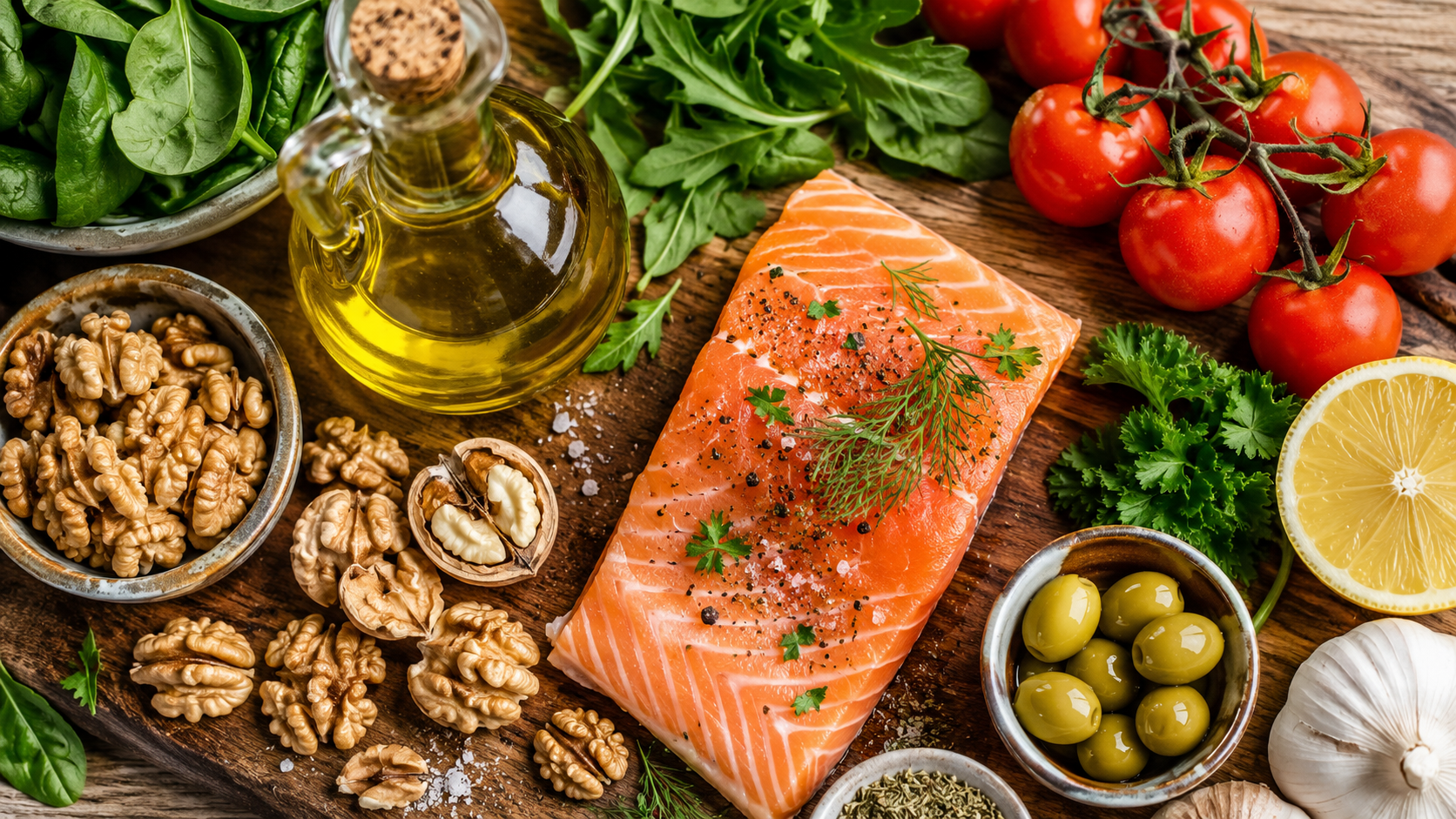
- Eat a Mediterranean diet, which is high in fruits, vegetables and healthy fats.
- Avoid drinks and foods that are high in fructose.
- Do resistance training, like weightlifting to improve your insulin sensitivity.
- Drink coffee, which has been shown to have an effect on the liver.
What does not work well as people think?
- Juice cleanses
- Milk thistle supplements
- Intermittent fasting without calorie restriction
- “Detox” protocols
When Medications Help
There is also a new group of drugs that is transforming the treatment of fatty liver disease in patients with insufficient weight loss via lifestyle measures.
In March 2024, the first FDA-approved drug for MASH was introduced: Rezdiffra (resmetirom). The drug works by activation of thyroid hormone receptors in the liver and causes reduction of fat and inflammation in the organ. Clinical trials demonstrated resolution of MASH in 26-30% of patients within 52 weeks.
Semaglutide (Ozempic, Wegovy), tirzepatide (Mounjaro, Zepbound), and other GLP-1 receptor agonists have not been developed for treating fatty liver disease; however, they exhibit impressive secondary effects: patients using these drugs are losing lots of weight and experience significant reduction of liver fat. In some clinical trials up to 17-22% of patients had MASH resolution due to taking semaglutide.
Learn more about how these drugs work in our guides about GLP-1 receptor agonists for weight loss, how Ozempic works, and Mounjaro vs Zepbound.
Unfortunately, the issue with medications is their sustainability: once a patient stops taking GLP-1s, he or she starts gaining weight and developing liver fat again. Rezdiffra is costly and needs continuous use. Medication acts as a stepping stone for obese patients.
Bariatric Surgery for Fatty Liver Disease
For cases of obesity and fatty liver disease, there is no treatment more effective than bariatric surgery. Just take a look at the impressive figures:
- Resolution of simple fatty liver disease – 65 to 90% in 1-2 years
- Resolution of MASH (mixed pattern steatosis and hepatocellular injury) – 50 to 85% in 1-2 years
- Improvement of fibrosis – 30 to 65% in 1-2 years
- The effects remain long-lasting, lasting decades.
Baritric surgery is not a case of a surgeon hyping up his own profession. The American Association for the Study of Liver Diseases (AASLD) officially accepts bariatric surgery as a possible treatment of fatty liver disease. The American Society for Metabolic and Bariatric Surgery (ASMBS) sees MASH as an indication for surgery.
How does bariatric surgery help patients with fatty liver disease? Because it solves all problems at once:
Significant and sustainable weight loss. Patients lose 60 to 80% of extra body weight within 1-2 years, keeping the weight lost throughout the years. No other method can bring such effects.
Hormonal changes. Bariatric operations change the gut hormone levels (GLP-1, PYY, ghrelin) so that they have a significant positive impact on the improvement of insulin sensitivity – even in several
Reducing inflammation. Fat reduction translates into reduced inflammation in the body, creating room for liver recovery.
Of the two popular operations for patients suffering from fatty liver disease, the gastric sleeve and the gastric bypass are the most popular, and both lead to great success with respect to the liver; however, studies show that the latter operation might have an upper hand when it comes to dealing with severe MASH cases, thanks to the extra metabolic benefits of bypassing the intestines.
Find out more about both procedures: gastric sleeve surgery, gastric bypass surgery, and which procedure is best for type 2 diabetes.
The Pre-Surgery Liver Shrinking Diet
If you are contemplating bariatric surgery, the pre-operative liver shrinkage diet will be of utmost importance since most doctors will want their patients to undergo a 2-4 week low-calorie/high protein intake prior to the surgery. And the reason behind such an approach is quite clear – shrinkage of the liver makes the surgery less complicated.
The enlarged, fatty liver is more fragile and harder to push away from the surgery site. The pre-operative diet rapidly empties liver glycogen stores and decreases its size.
For more information about the liver shrinking diet for bariatric surgery, read our guide for the bariatric surgery protocol.
How Long Does It Take to Reverse Fatty Liver Disease?
It depends on where you start and what treatment method you follow.
Aggressive lifestyle modifications (Mediterranean diet, exercise, caloric deficit):
A. 3-6 months: reduction in liver enzymes levels (ALT, AST)
B. 6-12 months: decrease in liver fat deposits (confirmed by imaging techniques)
C. 12-24 months: reversal of the inflammation if MASH is present
In the case of GLP-1 agents:
A. 3-6 months: faster weight loss
B. 6-12 months: reduction in fat content of the liver, seen in imaging
C. 12-18 months: resolution of MASH in 17-22% of cases
In the case of bariatric surgery:
A. 3 months: normalizing liver enzymes
B. 6-12 months: marked reduction in fat content of the liver
C. 12-24 months: resolution of MASH in 50-85% of patients
D. 24-36 months: even the fibrosis may become better
It’s not usually the way to go by swallowing the pill. It’s not always the way to go by lifestyle changes alone in people with severe obesity.
Who Qualifies for Bariatric Surgery for Fatty Liver Disease?
Bariatric surgery can be considered as a treatment for fatty liver if you fit into one of the following categories:
BMI of 35 or more accompanied by fatty liver disease, type 2 diabetes, or any other obesity-linked comorbidity
BMI of 40 or more irrespective of the presence of other comorbidities
Insufficient weight loss from dieting and exercise or from pharmacological intervention
Mental health stability and willingness to have lifelong follow-up visits
For information on specific BMI qualifications, visit our pages on BMI for gastric sleeve and BMI for gastric bypass.
At BodEvolve, the qualification process consists of medical examination, bariatric surgery psychological evaluation, nutritional consultation, and your medical history. The vast majority of fatty liver disease patients qualify since fatty liver is an obesity-linked comorbidity.
What to Expect After Treatment
No matter which course of treatment you opt for, the monitoring of fatty liver disease is imperative. Tests that follow include:
- Liver function tests every 3-6 months at first
- Imaging (ultrasound or FibroScan) once a year
- Comprehensive metabolic panel for the tracking of diabetes and cholesterol levels
- Monitoring body composition
For those having gone through bariatric surgery, it is important to check bariatric vitamins and nutrient deficiencies and nutrients for life-long maintenance. Sustained success depends on being active in your treatments.
Additional conditions such as sleep apnea, high blood pressure, and high cholesterol can be treated along with fatty liver disease upon discovery.
When to See a Specialist
You may want to consult with a bariatric/metabolic doctor if one of the below criteria applies:
- BMI is greater than 35 and you are diagnosed with NASH (stage 2) and fibrosis (stage 3)
- Your efforts towards lifestyle change haven’t brought success in 6+ months
- You suffer from multiple disorders caused by obesity (diabetes, sleep apnea, high blood pressure)
- Your hepatologist suggested that you may develop into cirrhosis
Dr. Frenzel and Dr. Brian Holt, specialists of BodEvolve Bariatric Surgery Center, have made over 14,000 surgeries for people suffering from fatty liver disease. The center is certified by the American Society for Metabolic and Bariatric Surgeons (ASMBS) and provides services for patients from all of Dallas-Fort Worth and surrounding areas, including Arlington, Plano, and Frisco.
Consultation at the center will help evaluate your liver condition, BMI, comorbidities and set priorities.
The Bottom Line
One of the most reversible metabolic diseases is fatty liver disease. However, for its full and effective reversal, you will need to make some interventions. Lifestyle changes are suitable for those who have an early-stage disease. Patients with a considerable degree of obesity will need medications. Patients who have severe obesity or fibrosis, which is also called MASH, require bariatric surgery for fatty liver disease reversal.
Time plays a vital role here too. Early detection and treatment will result in more thorough disease reversal. If you were already diagnosed with fatty liver disease or suspect that you might have it, consult a specialist immediately – don’t wait until symptoms occur.
Dr. Clayton Frenzel and Dr. Brian Holt at BodEvolve Bariatric Surgery Center in Richardson, TX, evaluate fatty liver disease in the process of metabolic health assessment for all patients.
Book Your Consultation
