
Most patients who come to our office are focused on losing weight. Bariatric surgery for high cholesterol isn’t usually what brings them in, but there’s a bigger issue that shows up in their lab work. Theres a bigger issue that shows up in their lab work. High LDL cholesterol that isn’t fixed by statins, triglycerides that are going up and a cardiologist who’s getting more worried. At BodEvolve Bariatric Surgery Center Dr. Frenzel has seen patients stop taking cholesterol medications they’d been on for years within months of surgery.
The Real Connection Between Obesity and High Cholesterol
Extra body fat doesn’t just sit there it makes cholesterol. Patients with a lot of obesity store than 50% of their body’s total cholesterol in their fat tissue. That cholesterol doesn’t stay hidden it goes into the bloodstream raises LDL (“bad cholesterol”) lowers HDL (“good cholesterol”) and quietly hurts the cardiovascular system years before any symptoms show up.
This is why obesity and high cholesterol are so connected. Studies show that for every kilogram of body weight lost LDL cholesterol goes down. The more weight loss the more cholesterol improves.
The problem is that diet and exercise don’t usually produce weight loss to fix the cholesterol problem in patients with severe obesity. Statins help, 10-20% Of patients either don’t respond well or can’t take the side effects. That’s where surgical options come in.
How Weight Loss Surgery Lowers Cholesterol
The cholesterol changes after weight loss surgery aren’t a side effect of losing weight. The metabolic changes are more interesting than that.
When the digestive anatomy is changed surgically three things happen that directly affect lipid metabolism:
1. Bile acid cycling shifts dramatically. Bile acids are the bodys natural cholesterol disposal system and bariatric procedures change how they’re produced and reabsorbed.
2. Gut hormone signalling changes within days. GLP-1, PYY and other hormones spike after surgery improving insulin sensitivity and reducing the livers cholesterol output.
3. Fat tissue itself shrinks rapidly. As stored fat is mobilized for energy the cholesterol trapped inside cells gets cleared by the liver and excreted.
These changes start within days of surgery which’s why some patients see lipid panel improvements at their first post-op follow-up. Long before significant weight loss has occurred.
Which Procedure Works Best for Bariatric Surgery and Cholesterol?
Not all procedures work the same for cholesterol.. The difference matters if high LDL is one of your main reasons for considering surgery.
Gastric Bypass- The Strongest Cholesterol Effect
If lowering LDL is a goal gastric bypass has the strongest evidence. The 2024 BASALTO randomized trial directly compared gastric bypass to sleeve gastrectomy in patients with elevated LDL. Bypass produced higher rates of LDL remission within 12 months.
The reason is anatomical. Bypass reroutes the intestine, which dramatically alters bile acid cycling. The single biggest mechanism for cholesterol clearance.
Gastric Sleeve- Solid Results With a Mechanism
A gastric sleeve doesn’t reroute the intestine so it doesn’t trigger the same bile acid changes.. It still produces meaningful cholesterol improvements. Driven primarily by weight loss itself and the hormonal shifts that come with reducing the stomach by 75%.
Sleeve patients typically see HDL rise and triglycerides drop substantially with LDL improvements that’re real but generally less dramatic than bypass.
Duodenal Switch- Maximum Effect for Severe Cases
The duodenal switch combines a sleeve gastrectomy with intestinal bypass producing the most aggressive lipid changes of any bariatric procedure. For patients with high BMI and severe dyslipidemia. Particularly those with familial hypercholesterolemia who haven’t responded to medication. Duodenal switch can normalize even genetically driven cholesterol problems.
SADI-S- A Newer Middle Path
SADI surgery (anastomosis duodeno-ileal bypass with sleeve gastrectomy) is a newer procedure offering many of the metabolic benefits of duodenal switch with a simpler surgical technique. Early evidence on lipid outcomes is encouraging though long-term data is still accumulating.
How Much Does Cholesterol Actually Drop After Surgery?
Patients always want numbers. Here’s what the research consistently shows after surgery in patients with documented dyslipidemia:
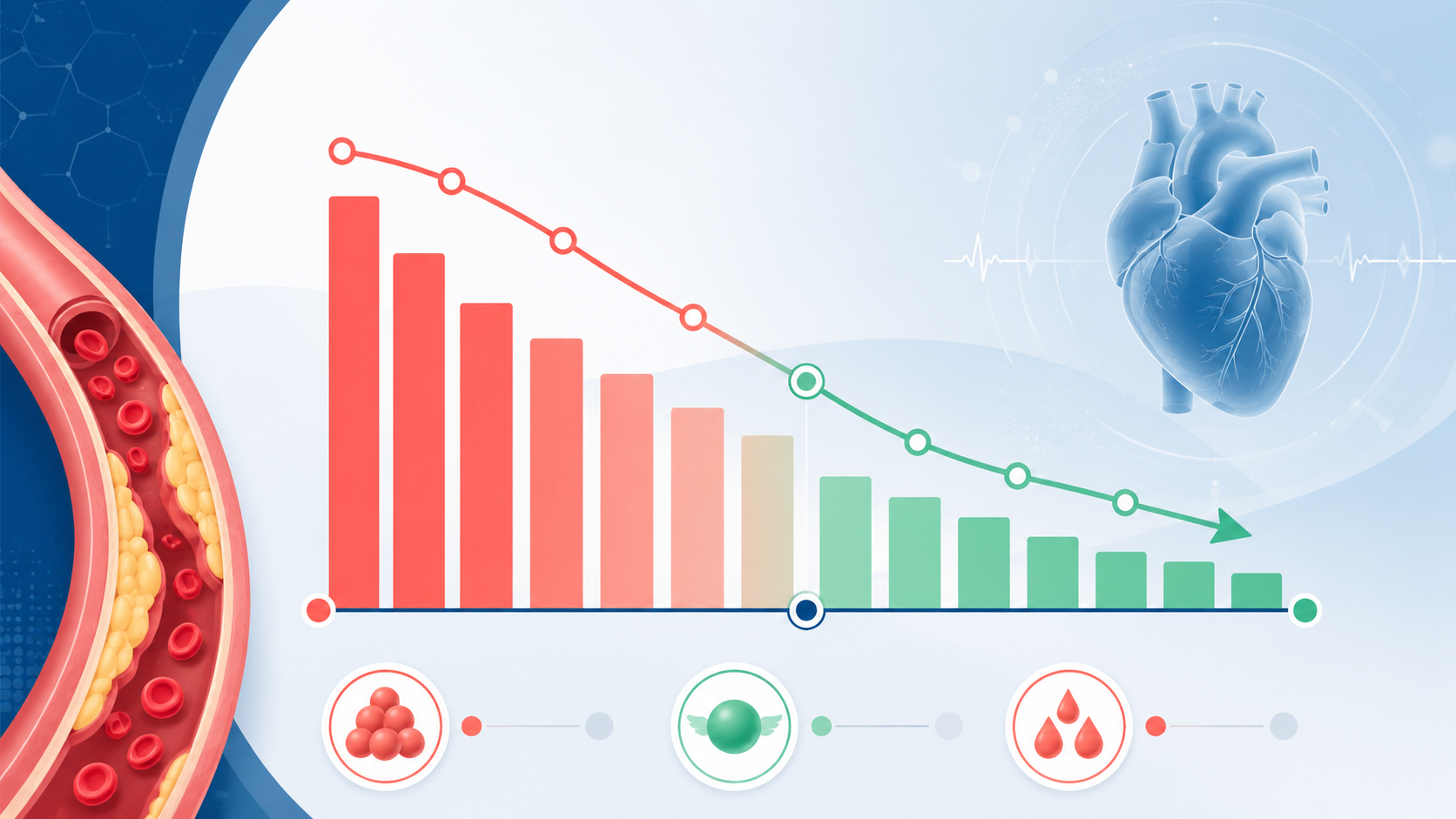
A. LDL cholesterol drops 25-60% within 12 months depending on procedure
B. Triglycerides drop 40-70% within 6-12 months
C. HDL (” cholesterol”) rises 15-30% over the same period
D. Total cholesterol typically normalizes within 6 months
E. 60-80% of patients can reduce or discontinue cholesterol medications under physician supervision
Who Qualifies for Bariatric Surgery for Cholesterol Management?
You don’t need to be at a BMI to be considered for surgery if cholesterol and cardiovascular risk are central to your case. Current guidelines support evaluation for:
a) Adults with BMI 35+ regardless of cholesterol status
b) Adults with BMI 30-34.9 with poorly controlled dyslipidemia despite medication
c) Adults with BMI 30-34.9 and other obesity-related conditions like type 2 diabetes, hypertension or sleep apnea
d) Patients with hypercholesterolemia (genetic high cholesterol) who haven’t responded adequately to statins.
What the Research Shows About Bariatric Surgery and Cholesterol
This finding is not based only on individual anecdotes but has been proven scientifically:
1. Gastric bypass operation cures or improves dyslipidemia (high cholesterol levels) in about 60-70 percent of patients within the first year post-surgery
2. LDL (“bad”) cholesterol and triglycerides decrease, whereas HDL (“good”) cholesterol increases following the surgery
3. Improvement starts even before significant weight loss takes place, implying that metabolism and hormonal processes initiated by the surgery, rather than mere weight loss, have the main effect
4. Gastric bypass operation provides better results for cholesterol improvement compared to gastric sleeve due to fat metabolism impact
For many patients, this will mean taking less or no statins anymore. Something that diet and physical activities alone could not accomplish in severe cases.
What Patients Often Don’t Hear About Cholesterol Recovery
A few realities about bariatric surgery and cholesterol that most patient guides skip:
1. Cholesterol drops before weight loss.
2. You may still need a statin temporarily.
3. Genetic cholesterol problems behave differently.
4. Diet still matters after surgery.
Bariatric Revision Surgery and Cholesterol Outcomes
Patients who had a bariatric procedure that didn’t deliver expected results sometimes experience cholesterol problems returning along with regained weight. Bariatric revision surgery texas, options can re-establish the metabolic benefits by converting an original sleeve to a bypass or duodenal switch. Procedures with stronger lipid impact.
Medical Weight Management for Patients Not Yet Ready for Surgery
Surgery isn’t always the first step. For patients with to-moderate obesity and high cholesterol medical weight management programs combining physician oversight, nutrition coaching and GLP-1 medications like semaglutide can produce 15-20% body weight loss. Enough to meaningfully improve cholesterol in many patients. Semaglutide works partly through the same GLP-1 pathway that bariatric surgery activates, which is why both approaches improve lipid panels. If you are weighing this route, understanding Ozempic for type 2 diabetes gives a clearer picture of what the medication actually does metabolically and where its limits are compared to surgery.
Finding Weight Loss Surgery in Texas
BodEvolve helps patients in the Dallas-Fort Worth area from four places:
1. Arlington- For people in Tarrant County
2. Richardson– Our place
3. Dallas– For people in central Dallas County
4. Texarkana– For people in East Texas and Southwest Arkansas
For patients who have lost a lot of weight and want to fix skin or body shape our plastic surgeons specializing in bariatric patients work closely with our surgery team.
If your cholesterol numbers didn’t get better with medicine and lifestyle changes like you wanted bariatric surgery for high cholesterol is something to really talk about. Not just search online. Make an appointment at BodEvolve Bariatric Surgery Center with Dr. Frenzel, to look at your test results talk about surgery choices. Understand what surgery can really do for your heart health.
FAQs
Can bariatric surgery cure high cholesterol?
Bariatric surgery does not cure high cholesterol in the strict medical sense, but it produces remission in 60-80% of patients with obesity and dyslipidemia. Many patients reach normal lipid levels and discontinue cholesterol medications within 6-12 months under physician supervision. The mechanism is partly weight loss and partly direct hormonal and bile acid changes from the procedure itself. For the broader picture of how surgery resolves obesity-related conditions, see our overview of health issues with being overweight.
Which bariatric surgery is best for high cholesterol?
For patients with elevated LDL specifically, gastric bypass has the strongest evidence based on the 2024 BASALTO trial. For triglyceride reduction or HDL improvement, gastric sleeve performs comparably. For severe dyslipidemia or familial hypercholesterolemia, duodenal switch produces the largest lipid changes. Read more about which is the most effective weight loss surgery for your specific health profile.
How fast does cholesterol improve after bariatric surgery?
LDL cholesterol typically begins dropping within weeks of surgery, with significant improvements visible at the first post-op lab draw. Most patients reach maximum lipid improvement at 6-12 months, coinciding with peak weight loss. Some patients see meaningful changes within the first 30 days due to immediate hormonal shifts.
Can I stop taking statins after bariatric surgery?
Many patients can discontinue statins within 6-12 months after bariatric surgery, but only under physician supervision. Stopping cholesterol medication suddenly without monitoring lab work is not safe. Bariatric and primary care teams should coordinate medication adjustments based on follow-up labs. The same applies to blood pressure and diabetes medications, which often need adjustment during the rapid weight loss phase.
Does insurance cover bariatric surgery for high cholesterol?
Most major insurance plans cover bariatric surgery when medical necessity is documented, including obesity with comorbidities like dyslipidemia, hypertension, or type 2 diabetes. The documentation typically requires a qualifying BMI, evidence of failed non-surgical attempts, and physician-confirmed obesity-related conditions. Here’s how to pay for bariatric surgery, including what specific documentation insurers require.
Will my cholesterol improvements last long-term?
Long-term studies tracking patients 10+ years after bariatric surgery show that cholesterol improvements are largely sustained when weight loss is maintained. Patients who regain significant weight may see lipid levels rise again, which is why ongoing follow-up matters as much as the procedure itself.
Is bariatric surgery safer than long-term statin therapy?
For patients with significant obesity and uncontrolled cholesterol, the long-term cardiovascular risk of untreated obesity often exceeds the surgical risk of bariatric surgery performed at an experienced center. Statins manage cholesterol but don’t address the underlying obesity, while surgery addresses both. The choice depends on individual health profile and should be made with best board certified bariatric surgeons in texas who can assess your full risk picture.
Does high cholesterol go away with weight loss alone?
Weight loss reduces cholesterol levels in most patients. For every kilogram of body weight lost, LDL drops measurably. However, diet and exercise alone rarely produce sufficient sustained weight loss in patients with severe obesity to fully resolve dyslipidemia. This is one reason bariatric surgery for severe obesity often produces results that medical management alone cannot match.
What if I have type 2 diabetes alongside high cholesterol?
This combination is extremely common and bariatric surgery handles both effectively. Procedures that work best for cholesterol (gastric bypass, duodenal switch) are also the strongest performers for diabetes remission. Read our detailed guide on which bariatric surgery is best for type 2 diabetes, patients with both conditions often see dramatic improvement in both at once.
