
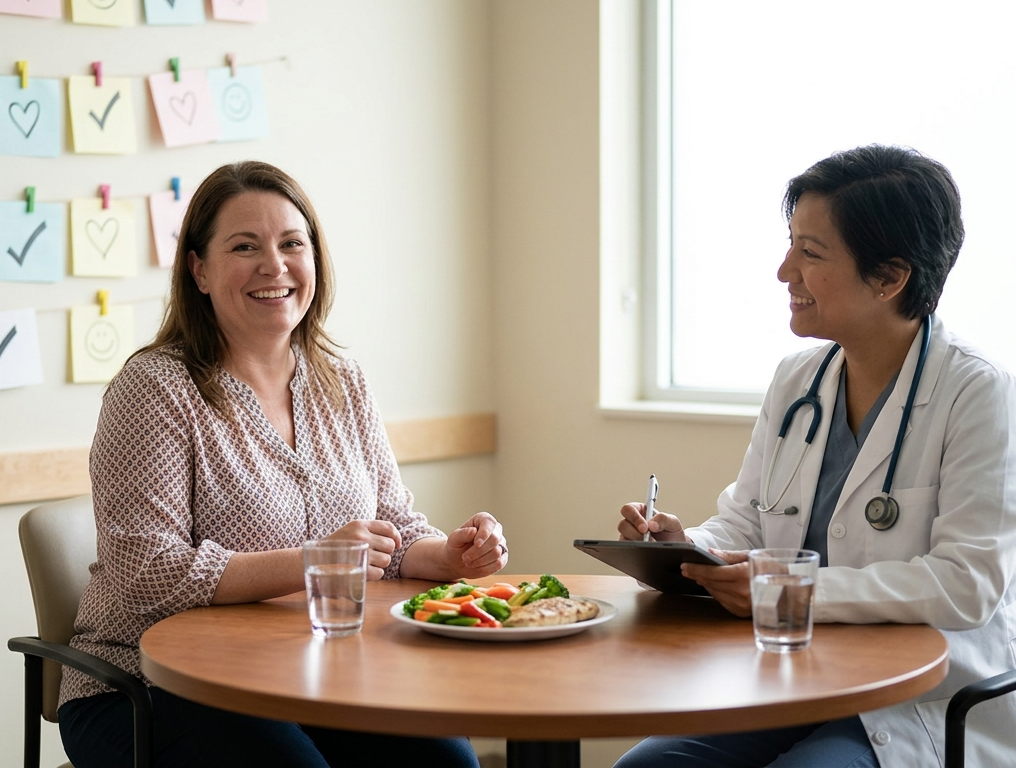
Bariatric surgery for severe obesity is a medically proven group of procedures including gastric sleeve, gastric bypass, duodenal switch, and SADI-S that treat severe obesity by altering how the body processes food and regulates hunger at a metabolic level. Patients who qualify typically have a BMI of 40 or above, or a BMI of 35 or above with related conditions like type 2 diabetes, sleep apnea, or high blood pressure. Understanding the relationship between obesity and bariatric surgery is the first step to knowing whether this path is right for you. At BodEvolve in Texas, our triple board-certified and dual fellowship-trained bariatric surgeons help patients lose 60 to 90 percent of their excess weight while resolving the health conditions that came with it.
Who Qualifies for Bariatric Surgery for Severe Obesity? BMI Requirements Explained
The first step is understanding where you stand medically. Severe obesity is generally defined as a BMI of 40 or higher, or a BMI of 35 or higher when it comes with serious weight-related conditions like type 2 diabetes, high blood pressure, sleep apnea, or heart disease.
These thresholds form the basis of the obesity and bariatric surgery eligibility criteria established by major medical societies, such as the American Society of Metabolic and Bariatric Surgery (ASMBS). In BodEvolve, each patient is assessed personally by our staff, taking into consideration the BMI, comorbidity, weight loss history, and overall well-being to decide which procedure will provide the most effective and safe result.

When you have long dealt with health issues related to being overweight and you are fed up with the idea of coping with the symptoms instead of eliminating the cause of the problem, then surgical operation can be the best next step. Get to know our entire process so you can see what the journey would be like to consult through recovery.
How Obesity and Bariatric Surgery Work Together
People are led to believe that bariatric surgery is just a method of making you eat less. The truth is much more complex. There is a metabolic interaction between bariatric surgery and obesity. Various processes change hunger hormones, adjust the gut to brain communication, alter the absorption of calories, and cause hormonal changes that decrease the urge to eat excessively.
That is why when patients who have had decades of severe obesity suddenly demonstrate radical and permanent results in the aftermath of surgery, it is not because they are exercising greater willpower, it is because the surgery alters the physiological conditions that made it almost impossible to sustain weight loss in the past.
The most prevalent improvements that we have seen in our patient base at BodEvolve are 70 to 90 percent of excess weight loss, resolution of type 2 diabetes or a significant improvement of the condition, normalization of blood pressure, absence of sleep apnea, alleviation of joint pains, and an unprecedented improvement of energy levels.
Weight Loss Surgery for Morbidly Obese
When your BMI crosses 40 or 35 with serious health conditions pulling you down the body reaches a point where diet and exercise alone simply can’t carry the load anymore. That’s not a personal failure. That’s biology. Weight loss surgery for morbidly obese patients is designed precisely for this stage, offering a medically proven path forward when everything else has fallen short. At BodEvolve, our surgeons work closely with you to find the right procedure for your body, your health history, and your long-term goals so you’re not just losing weight, you’re reclaiming your life.
When People With Severe Obesity Undergo Bypass Surgery
When people with severe obesity undergo bypass surgery, the goal is rarely weight loss on its own. For many of our Texas patients, gastric bypass becomes the recommended path when severe obesity shows up alongside type 2 diabetes, stubborn acid reflux, or metabolic conditions that a gastric sleeve alone may not fully resolve.
Here is what actually happens during the procedure. The surgeon creates a small stomach pouch and reroutes part of the small intestine. That single change does two things at once: it limits how much you can comfortably eat, and it shifts the gut hormones that control hunger and blood sugar. This is why so many patients see their diabetes improve within days of surgery, often before they have lost a significant amount of weight.
Timing matters just as much as the procedure itself. Bypass is usually considered once non-surgical options have been explored, your BMI and health history meet the criteria, and you and your surgeon agree the metabolic benefits are worth the recovery commitment. At BodEvolve, Dr. Clayton Frenzel and Dr. Brian Holt walk each patient through whether bypass, sleeve, or another option fits their situation before anything gets scheduled.
Types of weight loss surgery for Severe Obesity:
Not every patient is ready to move straight to surgery, and that’s completely valid. BodEvolve’s medical weight management program includes physician-monitored approaches that may incorporate FDA-approved medications as part of a structured pre-surgical or non-surgical plan. One option some patients explore is topiramate for weight loss, a prescription medication used under medical supervision to support appetite control and metabolic improvement. For patients working toward surgery eligibility or those not yet ready for a procedure, understanding all available medical options is an important part of the journey.
- The most common procedure done in severe obesity is Gastric Sleeve Surgery. It excises around 75 percent of the stomach and leaves behind a tube-shaped stomach, severely limiting the amount of food that can be eaten as well as ghrelin – the main hunger hormone. Patients usually lose up to 60-70 percent of excess weight. Healing period is normally less than a week.
- Gastric Bypass Surgery is believed to be the best option when the patient is severely obese and has underlying metabolic disorders such as diabetes type 2, or chronic acid reflux. It forms a small stomach pouch and reroutes a section of the small intestine which generates the strong hormonal changes that extend way beyond restriction. The average of patients who lose excessive weight is 70 to 80 percent.
- The most powerful procedure that can be offered to patients with BMI (more than 50) or severely metabolic disease is Duodenal Switch Surgery. It involves a gastric sleeve with a large intestinal bypass, and results in the 80 to 90 percent excess weight loss and the best diabetes remission rates of any bariatric surgery.
- SADI-S Surgery Surgery is a more recent, single-anastomosis form of the duodenal switch with equivalent outcomes but a simpler surgical geometry and less likelihood of nutritional complications.
- Revision Weight Loss Surgery can be used in patients who underwent a previous bariatric surgery and who have regained their weight or have not achieved satisfactory outcomes. Revision surgery can help to restore the metabolic advantages and to solve anatomical problems of the first operation.
- Medical Weight Management is a non-surgical, physician-monitored program designed to provide patients that are not yet ready to undergo surgery or wish to undertake a structured medical first.
What Does Bariatric Surgery for Severe Obesity Involve? Before, During & After
The choice of undergoing obesity weight loss surgery is not made in a one-sitting session. Patients at BodEvolve undergo a systematic assessment process, consisting of surgical evaluation, nutritional evaluation, psychological clearance, and sometimes cardiology or pulmonology clearance based on pre-existing health issues.
Surgery, in itself, is done laparoscopically, that is, with small incisions and a camera, and is much faster to recover than an open one. The majority of BodEvolve patients come home one to two days later and are back to normal within one to two weeks.
Your care does not stop in the operating room after surgery. Our program will also entail nutritional guidance, follow-up appointments, and support resources to assist you in maintaining the habits that will support your long-term results. Knowledge of physical symptoms of being overweight prior to surgery also enables patients to be aware of the changes that manifest themselves in the months that follow. See our bariatric surgery before and after patient’s results to see the real life story and to get to know about life after bariatric surgery.
Is Now the Right Time for Bariatric Surgery? Signs You’re Ready
You might be ready for surgery for severe obesity if you recognize yourself in one or more of these situations: your BMI is 40 or above, or 35 or above with a diagnosed condition like type 2 diabetes or sleep apnea; you have genuinely tried diet and exercise programs for at least six months without sustained results; obesity-related conditions are affecting your daily quality of life, your mobility, or your long-term health outlook; or you’ve spoken with a primary care physician who agrees surgical intervention is the appropriate next step. Many of our patients at BodEvolve come to us after years of trying everything else. They are not looking for willpower advice. They are looking for a medical solution that matches the medical nature of severe obesity. If that sounds like where you are, scheduling a consultation is the right first move.
Why Texas Patients Choose BodEvolve for Severe Obesity Surgery
BodEvolve isn’t just another surgical center. Across our four DFW-area locations, Arlington, Dallas, Richardson, and Texarkana, we’ve built our program around one goal: sustainable, life-changing results for patients dealing with severe obesity.
Our surgeons bring triple board certification and dual fellowship training to every case. Our support doesn’t end in the operating room it follows you through recovery, nutrition, and every follow-up visit.
And with 4.8 stars across nearly 400 Google reviews, our patients’ results speak for themselves.
Whether you’re in Dallas, Fort Worth, or anywhere in the DFW Metroplex, expert surgery for obesity is closer than you think.
Long-Term Results: Life After Bariatric Surgery for Severe Obesity
Surgery is the beginning, not the end. The patients we’ve treated at BodEvolve don’t just lose weight they reclaim their health in ways that diet and medication alone couldn’t deliver. Here’s what our patients typically experience in the 12–18 months after obesity and bariatric surgery:
- 70–90% of excess body weight lost
- Type 2 diabetes resolved or significantly reduced in the majority of cases
- Blood pressure normalized without medication in many patients
- Sleep apnea eliminated or improved
- Joint pain reduced, mobility restored
- Energy levels and quality of life dramatically improved
These aren’t promises they’re outcomes backed by decades of clinical research and reflected in our own patient outcomes at BodEvolve Texas.
Is Bariatric Surgery for Severe Obese Safe? Risks and What to Expect
This is one of the first questions patients ask, and it deserves a direct answer. Bariatric surgery is among the most studied surgical interventions in modern medicine. Major laparoscopic procedures like gastric sleeve and gastric bypass have complication rates that are comparable to or lower than other commonly performed surgeries like gallbladder removal or hip replacement. The most common short-term risks include nausea, fatigue, and nutritional deficiencies in the early weeks after surgery. Serious complications are uncommon but can include leaks, blood clots, or infection. Long-term nutritional support through supplements and follow-up labs is a required part of post-surgery life for all bariatric patients.
At BodEvolve, our surgeons perform these procedures laparoscopically, which means smaller incisions, less blood loss, and faster recovery than traditional open surgery. Dr. Clayton Frenzel’s triple board certification and dual fellowship training means you are in the hands of one of the most credentialed bariatric surgeons in the DFW area. Every patient is evaluated thoroughly before surgery is ever scheduled, so the recommendation you receive is specific to your health profile.
