
How long does gastric bypass surgery take is one of the common questions patients ask Dr. Frenzel and our team at BodEvolve Bariatric Surgery Center in Texas before their surgery. It makes sense. Knowing what to expect on surgery day reduces anxiety and helps you prepare properly.
The short answer is that gastric bypass surgery takes between 2 and 4 hours for patients. That number only tells part of the story. The total time you spend at the hospital on surgery day is considerably longer. From check-in to recovery room most patients are at the facility for 6 to 8 hours before being transferred to their hospital room.
Understanding the timeline. What happens in each phase why each step takes the time it does and what factors can lengthen or shorten your procedure. Gives you a much clearer picture of what surgery day actually looks like.
How Long Does Gastric Bypass Surgery Actually Take?
The operation itself – from first cut to last suture – takes between 2 and 4 hours under general anesthesia. The surgery takes about this much time at BodEvolve, where most gastric bypass surgeries performed by Drs. Frenzel and Holt fall into this time frame. The difference in time is due to various patient-related considerations described below. Here’s the breakdown of the surgical time:
- Laparoscopic preparation and placement of trocars: 20 to 30 minutes. Placement of the laparoscope and other instruments through the abdominal cavity.
- Creation of the gastric pouch: 30 to 45 minutes. Dividing and stapling of the upper part of the stomach to create the pouch the size of an egg.
- Re-routing of the small intestine (creation of the Roux limb): 45 to 60 minutes. Division and rerouting of the small intestine and its connection to the newly created gastric pouch.
- Creation of anastomosis (connections): 30 to 45 minutes. Two connections are made and tested for leakage.
Conclusion and checking of the surgical site: 20 to 30 minutes. Removal of the instruments and closing of the cuts.
The Full Surgery Day Timeline
When asking about the length of bypass surgery, patients refer to the entire day of surgery – and not only the operating room time. Below you can see the entire schedule of surgery at BodEvolve:
Arrival and pre-surgery preparation (2-2.5 hours)
The patient arrives at the facility approximately 2 hours before the procedure. In this phase:
Check-in and identity verification done
1. Pre-surgery nursing assessment – blood pressure, weight, medical history verification
2. Placement of an IV line and administration of pre-surgery medication
3. Discussion with an anesthesia team and signing of consent form
4. Surgical site preparation
5. Transportation to the operating room
Surgery in the operating room (2-4 hours)
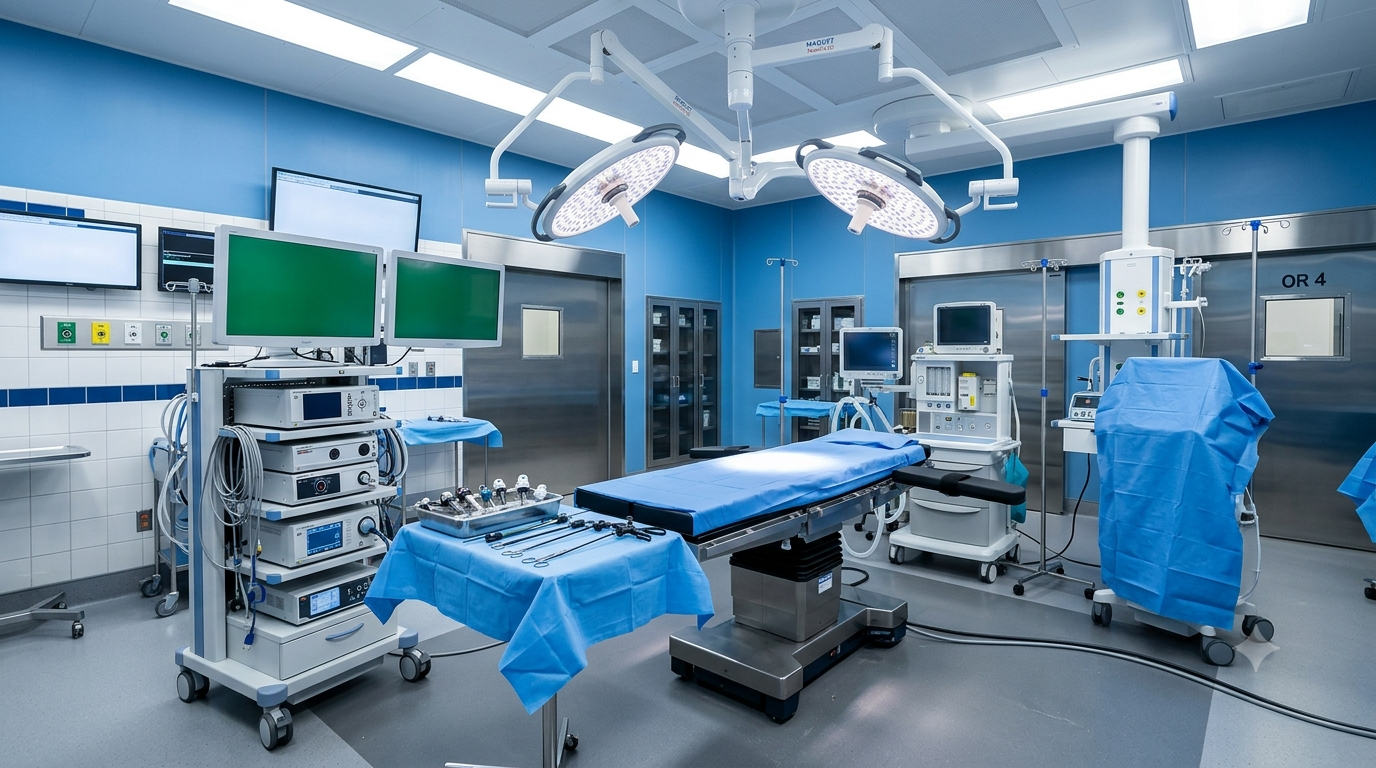
After being placed in the operating room, anesthesia is applied and the procedure starts. The surgical team consists of Dr. Frenzel or Dr. Holt, a surgical assistant, scrub technician, circulating nurse, and anesthesiologist. During this phase, you are totally unconscious and do not remember anything.
Post-anesthesia care unit – PACU (1-2 hours)
After completion of the procedure, you are transported to the recovery room, where nurses observe:
- Blood pressure and its stabilization
- Level of oxygen saturation
- Management of pain and nausea
- Awakening and orientation from anesthesia
- First assessment of the wound
The average time spent in the PACU before transferring to the hospital room is usually 1-2 hours. Admission to the hospital room Post-PACU, patients are transferred to their respective hospital rooms for continued recovery and observation. The majority of patients who undergo gastric bypass surgery at BodEvolve stay overnight for 1-2 nights after which they are discharged. Total duration of surgery day (arrival to hospital room): 6-8 hours.
What Factors Affect How Long Gastric Bypass Surgery Takes?
Gastric bypass surgery does not always take the same amount of time. There are several patient-related factors that determine the duration of the OR process.
1. Body Mass Index (BMI) and body fat composition
For patients with a higher Body Mass Index (BMI) or having central obesity, there is more fat present in the abdominal region surrounding the stomach and intestines, thus increasing the difficulty of visualizing and inserting instruments in the area.
2. Abdominal fat distribution
Pre-existing surgeries in the abdomen such as appendicitis, gall bladder surgery, Caesarean sections, hernia surgeries, among others, lead to adhesions which limit visibility and require meticulous dissection before the actual bypass surgery can start. Such cases will take longer than the upper range indicated.
3. Liver size
The liver lies over the stomach, which needs to be pulled back carefully before surgery. People who have large amounts of fat accumulation in their liver tend to have an enlarged liver, which is more difficult to pull back. This is one of the major reasons why people need to be on the pre-bariatric surgery liver shrinking diet is required before surgery.
4. Laparoscopy vs open approach
At BodEvolve, almost all cases of gastric bypass surgeries are done laparoscopically, which involves making small incisions while using a camera and special tools. The laparoscopic bypass surgery takes roughly the same amount of time as the open surgery, although the recovery process goes much quicker.
5. Variations in surgical anatomy
Each patient’s body is unique, which means that there may be some changes in terms of vasculature and organ positioning. It might take additional time to adjust surgical technique.
6. Experience of the surgeon
The more surgeries a doctor performs, the more efficient he becomes. Doctors at BodEvolve, Dr. Frenzel and Dr. Holt, together have more than 14,000 operations under their belts.
How Does Gastric Bypass Surgery Time Compare to Other Procedures?
| Procedure | Average OR Time | Complexity |
|---|---|---|
| Gastric Sleeve Surgery | 60 to 90 minutes | Lower — one staple line, no intestinal rerouting |
| Gastric Bypass Surgery (RNY) | 2 to 4 hours | Moderate — two staple lines, intestinal rerouting |
| Duodenal Switch Surgery | 3 to 5 hours | Higher — sleeve plus longer intestinal rerouting |
| SADI-S Surgery | 2.5 to 4 hours | Moderate-high — single anastomosis DS variant |
| Revision Surgery | 3 to 6 hours | Highest — working around prior surgical changes |
It takes more time compared to sleeve gastrectomy since apart from the creation of a gastric pouch, there are two intestinal connections that have to be done. Gastric bypass creates better metabolic effects, especially in case of type 2 diabetes, due to the alterations in the gut hormones signaling. For more information on comparing the two bariatric surgeries, read the comparison difference between gastric bypass and gastric sleeve.
What Anesthesia Is Used and How Long Does It Last?
The procedure of gastric bypass surgery is carried out under the use of general anesthesia. In this case, you will be put to sleep from the moment the incision is done until the moment when your recovery process starts. The general anesthesia used during a 2 to 4-hour surgery includes the following stages:
- Induction anesthesia that causes you to fall asleep quickly (approximately 60 seconds)
- Maintenance anesthesia (inhalation anesthetic gases during the surgery)
- Reversal anesthesia (at the end of surgery, anesthetic is reversed with drugs)
- Anesthesia recovery (approximately 30 to 90 minutes after surgery)
The Day Before Surgery- What to Expect
Your surgery day begins the night before. Typically, this is what patients at BodEvolve do the night before surgery:
- Clear liquid diet as recommended the day before
- No food or drinks after midnight (as directed by your medical team- specifics may differ per individual)
- Medications as advised only, using a little water Antiseptic soap for shower the night before and the morning of the procedure
- Comfortable, loose clothing- you will be changed into a hospital gown upon admission
- No jewelry, valuables, and contact lenses when coming to the facility
See this article for more information on the pre-bariatric surgery diet and the bariatric surgery liquid diet before surgery.
What Happens After Surgery
Following surgery and admission to your room, post-surgical recovery becomes priority. Patients are usually advised to sit up and walk around soon after returning from surgery to their room; this is one of the best ways to prevent blood clots and facilitate the recovery process. For recovery timeline details in days, weeks, and months after the operation, please consult our comprehensive guide on gastric bypass surgery recovery time and our bariatric surgery recovery time overview.
Is the OR Time Different for Revision Bypass Surgery?
Yes – very much so. Patients having undergone bariatric surgery before and scheduled for revision gastric bypass will need more OR time compared to the first-time surgery. Duration of the surgery varies from 3 to 6 hours or even longer based on: 1. Previous type of surgery performed 2. Scarring 3. Altered anatomy 4. Complications that occurred previously and need to be fixed For further info about the revision surgery, please check out our guide on revision weight loss surgery.
When to See a Bariatric Surgeon
If you have been contemplating gastric bypass and want to learn more about what a surgery day entails, a consultation is the way to go. Drs. Frenzel and Holt will discuss the procedure, the process involved, what to expect at our facility, and determine if gastric bypass or some other procedure will be the better option based on your individual health condition. For information regarding eligibility requirements, see our articles on how to qualify for bariatric surgery and BMI for gastric bypass.
Bariatric Care Across Texas
BodEvolve caters to patients throughout the Dallas-Fort Worth region and East Texas. You can find Drs. Frenzel and Holt in Richardson, Arlington, Dallas and Texarkana. Phone 817-342-0232 or Book Your Consultation today.
