
The fatty liver disease diet is one thing that patients always ask about when they get diagnosed.. For a good reason. The food we eat is a powerful tool to reduce fat in the liver and if we make the right changes to our diet we can even reverse fatty liver disease completely especially if it is still in the early stages. At BodEvolve Bariatric Surgery Center in Texas, Dr. Frenzel and the team work with patients in the Dallas-Fort Worth area who are dealing with fatty liver disease, obesity, type 2 diabetes and metabolic syndrome all at the time. These patients need guidance on what to eat and this guidance is based on evidence and is often very different from what they find online.
This guide will explain what to eat what to avoid, what the research actually supports and at what point diet alone is not enough to make a difference.
Why Diet Matters So Much for Fatty Liver Disease
The liver processes almost everything that we eat. When we eat much sugar, too many refined carbohydrates and too much saturated fat the liver has to deal with the consequences. The liver gets damaged when we eat this way because fat builds up faster than the liver can clear it and this leads to inflammation.
On the hand when we eat in a way that reduces fat delivery to the liver improves insulin sensitivity and lowers inflammation the liver gets a chance to heal itself. Many studies have shown that the right diet can reduce liver fat by 30 to 50% within six months and this can happen without dramatic weight loss.
Diet is not something that supports the treatment of fatty liver disease. For people with early-stage disease diet is the treatment.
What Is the Best Diet for Fatty Liver Disease?
The Mediterranean diet is the diet for fatty liver disease and it has the strongest research support. Many studies have confirmed that this diet is beneficial for reducing liver fat and inflammation not for weight loss.
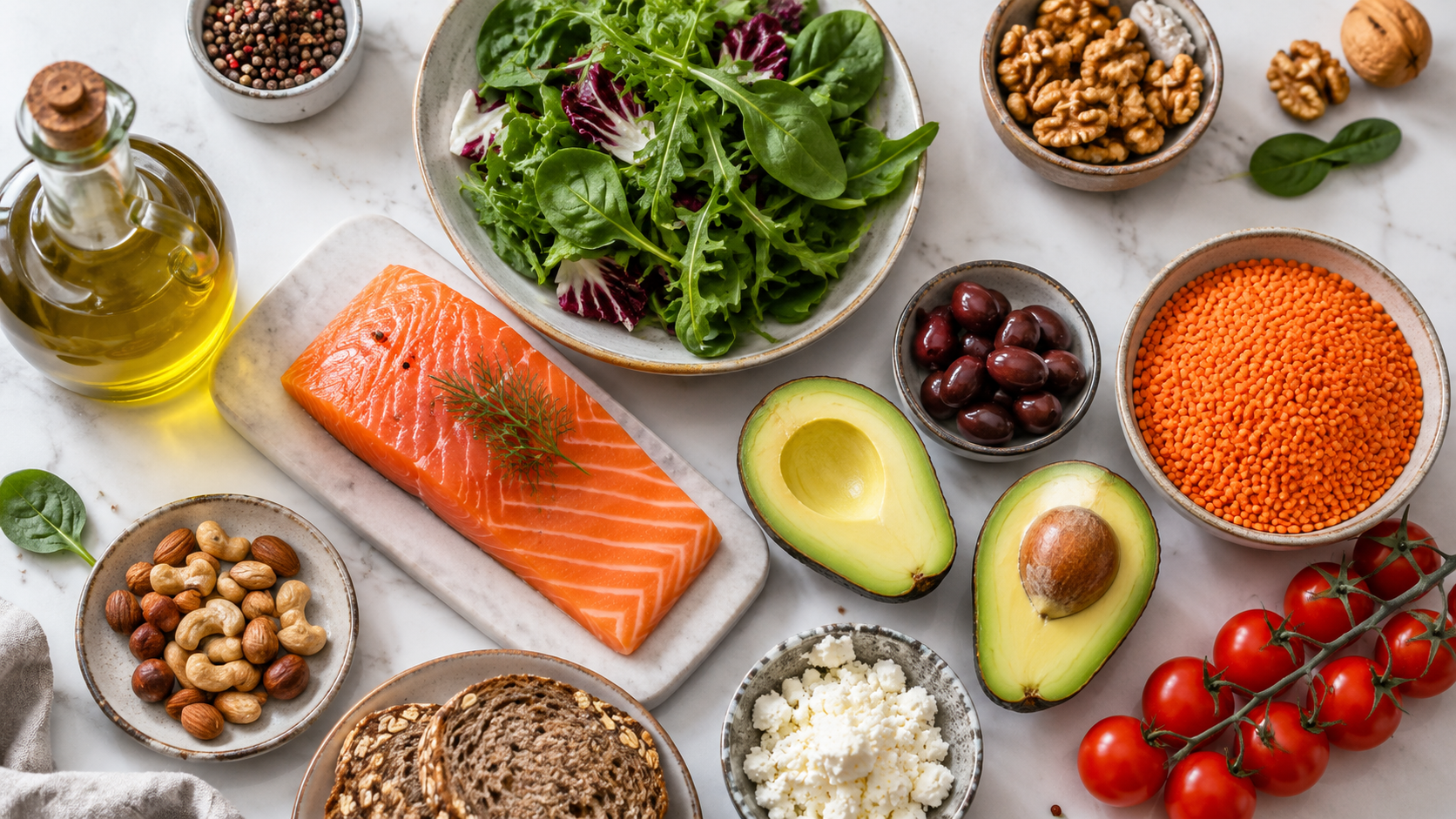
The Mediterranean diet is not a meal plan but rather a way of eating that is centered on certain foods. These foods include olive oil, fish and seafood, vegetables, legumes, whole grains, nuts and seeds and limited amounts of meat and dairy.
What makes the Mediterranean diet so effective for the liver is the combination of -inflammatory fats from olive oil and fish antioxidants from vegetables and olive oil and fiber from legumes and whole grains. All of these things work together to counter the metabolic drivers of liver accumulation.
Foods to Eat for Fatty Liver Disease
There are foods that have strong research support for liver health. These foods include fatty fish like salmon, sardines and mackerel which’re rich in omega-3 fatty acids that reduce liver fat and inflammation. Extra virgin olive oil is also beneficial as it contains a compound with anti-inflammatory properties. Leafy greens and cruciferous vegetables like spinach, kale and broccoli are also good for the liver as they are rich in folate, antioxidants and nitrates that support liver function.
Other beneficial foods include walnuts, which contain alpha- acid, vitamin E and polyphenols that improve liver enzyme levels. Coffee is also surprisingly beneficial as it contains antioxidants that reduce liver inflammation. Oatmeal and whole grains are also good as they feed gut bacteria that produce short-chain fatty acids, which reduce liver inflammation. Avocado is also beneficial as it is rich in monounsaturated fats and glutathione one of the livers primary antioxidants.
Green tea is also good for the liver as it contains catechins that reduce liver fat and improve liver enzyme levels. Legumes like lentils, chickpeas and black beans are also beneficial as they are high in plant protein and fiber and low in index.
Foods to Avoid With Fatty Liver Disease
There are foods that can make fatty liver disease worse and these should be avoided. These foods include fructose and high-fructose corn syrup, which are processed entirely by the liver and converted directly into fat. Refined carbohydrates like bread, white rice and white pasta should also be avoided, as they spike blood sugar rapidly and trigger insulin release, which signals the liver to store fat.
Alcohol should also be avoided, as it worsens fatty liver disease by generating byproducts. Saturated and trans fats like those found in meat, full-fat dairy and fried foods should also be limited, as they drive liver inflammation and worsen insulin resistance.
Processed and ultra-processed foods like packaged snacks, fast food and convenience meals should also be avoided, as they combine carbohydrates, added sugars, saturated fats and sodium in combinations that are uniquely damaging for liver health.
Added sugars should also be limited, as they hide in foods like condiments, flavored yogurts and granola bars. Sodium-heavy foods should also be avoided, as they drive retention and blood pressure elevation, which puts additional stress on the liver and cardiovascular system.
What About Specific Supplements?
Many patients ask about supplements. The answer is that some supplements may be beneficial but the evidence is not always strong. Vitamin E has shown some benefit in -diabetic patients with fatty liver disease but it carries long-term risks and should be discussed with a physician before starting.
Milk thistle, also known as silymarin is a supplement for liver health but the research is mixed and it should not be relied upon as a primary treatment. Coffee on the hand has stronger liver-protective research backing than most supplements and three to four cups daily may be genuinely beneficial.
Apple cider vinegar has no clinical evidence for fatty liver disease and probiotics show some promise but the evidence is not yet strong enough for formal clinical recommendations. If you would like to learn more about what supplements help with weight loss, visit our guide on what supplements help with weight loss.
7-Day Fatty Liver Disease Meal Plan
Here is a sample 7-day meal plan that follows Mediterranean diet principles with attention to liver health. Portions should be adjusted based on calorie needs and guidance from a physician or dietitian.
Day 1
Breakfast: Oatmeal cooked with walnuts, blueberries, and some honey on top. Black coffee.
Lunch: Salad containing grilled salmon, spinach, tomatoes, cucumber, olives, and olive oil and lemon dressing.
Dinner: Baked cod, roasted broccoli, and quinoa. A drizzle of olive oil on top. Snack: Handful of almonds.
Day 2
Breakfast: Scrambled eggs in olive oil, spinach, and tomatoes. Whole grain toast.
Lunch: Lentil soup and a piece of whole grain bread. Salad on the side.
Dinner: Grilled chicken breast, sweet potato, and green beans.
Snack: Plain and unsweetened Greek yogurt with some berries.
Day 3
Breakfast: Smoothie with spinach, frozen berries, chia seeds, and unsweetened almond milk.
Lunch: Stir-fry of chickpeas and vegetables over brown rice.
Dinner: Baked salmon, asparagus, and farro.
Snack: Walnuts and an apple.
Day 4
Breakfast: Overnight oats with flax seeds, walnuts, and cinnamon. Black coffee.
Lunch: Turkey and avocado lettuce wraps with tomato and cucumber.
Dinner: Grilled sardines with a huge portion of mixed greens with olive oil and lemon juice.
Snack: Hummus with vegetables.
Day 5
Breakfast: Plain Greek yogurt with walnuts, chia seeds, and a teaspoon of honey.
Lunch: Soup with black beans and vegetables with whole grain crackers.
Dinner: Skinless chicken thighs baked with roasted cauliflower and a small portion of whole grain pasta in olive oil and garlic.
Snack: Mixed nuts in moderation.
Day 6 Breakfast: Whole grain bread with avocado and a poached egg. Black coffee or green tea.
Lunch: Tuna salad (olive oil, not mayo) on mixed greens with cherry tomatoes.
Dinner: Shrimps stir-fry with broccoli, bell peppers, and brown rice. Very little soy sauce.
Snack: Celery sticks with almond butter.
Day 7
Breakfast: Omelette with vegetables (spinach, mushrooms, and tomatoes cooked in olive oil).
Lunch: Lentils and vegetables Buddha bowl with tahini dressing.
Dinner: Salmon baked with roasted Brussels sprouts and a small portion of quinoa.
Snack: Walnuts and berries.
How Much Weight Loss Do You Actually Need?
A diet works for fatty liver disease in two ways. It helps my body directly and it helps me lose weight. Here is what research says about weight loss targets:
- If I lose 3 to 5% of my body weight it will reduce the fat in my liver.
- If I lose 7 to 10% of my body weight it will reduce inflammation in my body.
- If I lose 10% or more of my body weight it can reverse my fatty liver disease. Improve my health.
For example if I weigh 250 pounds I need to lose 25 pounds to reach the therapeutic threshold. This is achievable through diet for some people. Especially those who are motivated and have good insulin sensitivity.
For people with significant obesity type 2 diabetes or severe insulin resistance it is much harder to achieve and maintain 10%+ weight loss through diet alone. This is where we need to consider options.
When Diet Alone Is Not Enough
A diet is the starting point for every person with fatty liver disease.. It has limitations that we need to be honest about.
Here is what a diet can do for liver disease:
- Reduce liver fat by 30 to 50% if I stick to a Mediterranean diet.
- Lower liver enzyme levels within 3 to 6 months of change.
- Reverse fatty liver disease in early-stage patients.
- Slow down the progression of liver disease in patients who maintain dietary changes.
But here is what a diet alone typically cannot do:
- Sustain 10%+ weight loss in patients with significant obesity long-term.
- Reverse fatty liver disease that has progressed to fibrosis.
- Correct insulin resistance on its own without weight loss.
- Deliver the speed or magnitude of results as surgery or medication in advanced cases.
This is not a criticism of therapy. It is an honest description of what research shows. The same studies that demonstrate the benefits of diet also show that patients who regain weight see their fatty liver disease return as quickly.
For patients with fatty liver disease and a BMI over 35 Dr. Frenzel and his team typically discuss an approach: dietary changes as a foundation plus either GLP-1 medications or bariatric surgery depending on the patients specific situation and goals.
Here is how the approaches compare:
| Approach | Liver Fat Reduction | MASH Resolution | Sustained at 5 Years |
|---|---|---|---|
| Diet alone | 30–50% | 40–60% (if ≥10% weight loss) | Difficult without ongoing support |
| Diet + GLP-1 medications | 40–60% | 59–73% | Requires ongoing medication |
| Diet + bariatric surgery | 60–80% | 50–85% | Yes — durable results |
For additional information on GLP-1 drugs, you can check our articles on GLP-1 receptor agonists for weight loss and how Ozempic works. For further details on weight loss for fatty liver disease and our overview of MASH liver disease treatment.
The Pre-Bariatric Surgery Diet and Fatty Liver
For patients who are heading toward surgery and have fatty liver disease the pre-surgical diet is very important. The liver shrinking diet for bariatric surgery . A 2 to 4 week high-protein low-carbohydrate protocol. Rapidly reduces liver size by depleting glycogen stores.
In patients with fatty liver disease the liver is often. More fragile than average. A smaller fatty liver is significantly safer to work around during surgery. Adherence to the -surgical dietary protocol directly affects surgical safety and outcomes in these patients.
Practical Tips for Sticking to a Fatty Liver Diet
The Mediterranean pattern works in research because it is sustainable. Here is how patients at BodEvolve make it stick term:
- Replace, do not just remove. Swap white rice for rice or quinoa. Swap sugary drinks for sparkling water with lemon. Swap vegetable oil for olive oil.
- Batch cook legumes and grains. Cook a pot of lentils or brown rice on Sunday and use throughout the week.
- Keep walnuts and almonds accessible. The biggest dietary failure point is arriving at snack time with nothing available.
- Make olive oil your default cooking fat. Most people cook in vegetable or seed oils without thinking about it.
- Read labels for fructose. Fructose and high-fructose corn syrup appear in dozens of products that don’t seem like sweets. Bread, condiments, sauces, granola, protein bars.
- Treat coffee seriously. If you are a coffee drinker, coffee at 3 to 4 cups daily is genuinely therapeutic for the liver.
When to see a specialist
Consider scheduling a consultation with an metabolic specialist if any of the following apply:
- You have been told you have MASH or fibrosis on imaging or biopsy.
- You have been following changes for 6 or more months without significant improvement in liver enzymes.
- Your BMI is 35 or higher with fatty liver disease.
- You have fatty liver disease plus type 2 diabetes, high blood pressure or sleep apnea.
- Your weight has been difficult to lose and maintain despite dietary effort.
At BodEvolve Bariatric Surgery Center Dr. Frenzel and Dr. Holt evaluate fatty liver disease as part of metabolic health assessment for every surgical candidate. The center has performed over 14,000 procedures. Holds ASMBS Center of Excellence accreditation. Patients throughout the Dallas-Fort Worth area regularly come to us after years of effort to explore whether a more definitive medical intervention is right for their situation.
Bariatric care across Texas
- Arlington– serving Tarrant County
- Richardson– our primary facility
- Dallas– serving central Dallas County
- Texarkana– Serving East Texas and Southwest Arkansas If you have been diagnosed with fatty liver disease. Want a personalized evaluation schedule a consultation, with Dr. Frenzel and his team.
Book Your Consultation today.
