
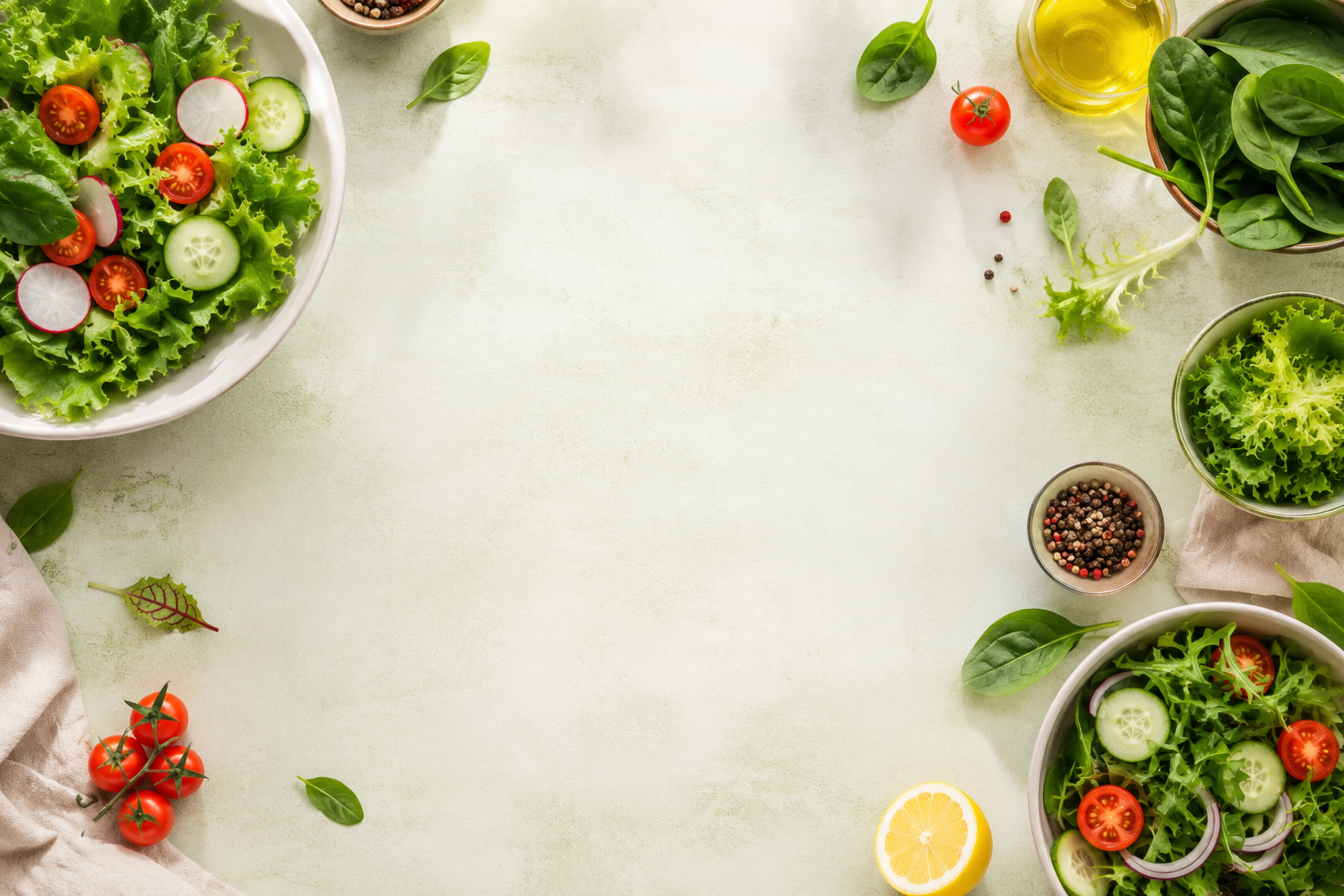
Salad for weight loss can either help you drop pounds steadily or quietly sabotage your progress, and the difference comes down to what you put in the bowl. A well-built weight loss salad delivers 25 to 35 grams of protein, plenty of fiber, and stays under 500 calories, keeping you full for 4 to 5 hours without spiking blood sugar. The wrong salad, loaded with candied nuts, creamy dressing, dried fruit and cheese, can easily hit 900 calories and leave you hungry again by 3 PM.
This guide walks you through exactly how to build salads that support real, lasting weight loss, based on what actually works for the patients we see at BodEvolve Bariatric.
Is Salad Good for Weight Loss?
Yes, salad is good for weight loss when it is built around lean protein, non-starchy vegetables, healthy fats in small amounts and a low-calorie dressing. The problem is that most restaurants and pre-made salads fail on all four counts. A Cheesecake Factory Chinese chicken salad clocks in at over 1,300 calories. A large Caesar with croutons and creamy dressing can hit 900. The salad itself is not the issue. The way it is built is.
For weight loss to happen, you need a calorie deficit. Salads only help if they keep the calorie count low while filling you up long enough to skip mindless snacking later. The best salad for weight loss does exactly that.
Best Lettuce for Salad Weight Loss
Not all greens carry the same nutritional weight. If your goal is to feel full on fewer calories while getting real nutrients per bite, here is how the common options stack up.
Romaine is the best all-around choice. It is crunchy, hydrating and high in vitamins A and K for very few calories. Spinach is the most nutrient-dense option, packed with iron, folate and magnesium, though it wilts fast under dressing so add it last. Arugula brings a peppery bite and works well when you want flavor without adding sodium. Kale is fibrous and filling, but massage it with a bit of lemon and salt before eating or it feels tough on the stomach. Iceberg is fine as a base but has very few nutrients per cup, so mix it with something denser.
Skip pre-bagged spring mixes that have been sitting for a week. Freshness matters both for flavor and for the actual vitamin content.
What Goes Into the Best Salad for Weight Loss
The formula I share with patients at our Arlington and Dallas clinics is simple. Every weight loss salad should have four parts.
First, a protein anchor of 4 to 6 ounces. Grilled chicken, canned tuna, hard-boiled eggs, salmon, tofu or lentils all work. This is the most important part. Without it, you will be hungry within two hours.
Second, at least two cups of leafy greens as your base. This gives you volume without calories.
Third, non-starchy vegetables like cucumber, bell peppers, tomatoes, radishes, celery or broccoli. Aim for a full cup total. These add fiber and crunch.
Fourth, a small amount of healthy fat, around one tablespoon. Half an avocado, a sprinkle of feta, a few olives, or a tablespoon of pumpkin seeds. This slows digestion and keeps you full longer.
When patients follow this structure, salads become one of the easiest tools in a weight loss plan.
Best Salad Dressing for Weight Loss
This is where most salads fall apart. Two tablespoons of ranch can add 145 calories and 15 grams of fat before you count anything else in the bowl. The best salad dressing for weight loss keeps calories under 60 per serving, has minimal added sugar and actually tastes like something you want to eat again tomorrow.
The healthiest salad dressing for weight loss is almost always the one you make yourself. A simple mix of olive oil, lemon juice, Dijon mustard, salt, and pepper takes 30 seconds and gives you exactly what your salad needs. Greek yogurt-based dressings work well too, giving you creaminess with added protein instead of empty fat.
If you are buying store-bought, look for these on the label:
- Under 60 calories per two-tablespoon serving
- Less than 3 grams of added sugar
- Real ingredients you recognize
Bolthouse Farms yogurt dressings, Primal Kitchen, and Tessemae’s are generally reliable. Avoid anything labeled fat-free, since these usually replace fat with sugar and gums that spike your appetite later.
Grilled Chicken Salad for Weight Loss
Grilled chicken salad for weight loss is a staple for good reason. Six ounces of grilled chicken breast delivers around 45 grams of protein for roughly 280 calories. Pair it with romaine, cherry tomatoes, cucumber, red onion, half an avocado, and a lemon vinaigrette, and you have a meal that fills you up on under 500 calories.
The trick is not overloading it. Skip the croutons, the shredded cheese pile, the crispy chicken versions, and the creamy dressing. That is where a smart 450-calorie meal turns into a 950-calorie one.
This style of salad fits neatly into a high-protein diet for weight loss, which we recommend to almost every patient walking through our doors.
Is Tuna Salad Good for Weight Loss?
Yes, tuna salad is good for weight loss when you skip the mayo-heavy version. A can of tuna in water gives you 25 grams of protein for 110 calories. The problem is the traditional preparation with half a cup of mayo, which alone adds 800 calories and 90 grams of fat.
Try this instead. Mix one can of tuna with two tablespoons of Greek yogurt, a teaspoon of Dijon mustard, diced celery, red onion, and a squeeze of lemon. Serve it over greens instead of bread. You get all the flavor for under 250 calories.
Is Egg Salad Good for Weight Loss?
Egg salad is good for weight loss with the same modification. Swap most of the mayo for Greek yogurt or mashed avocado. Two hard-boiled eggs with a tablespoon of Greek yogurt and a teaspoon of mustard gives you 14 grams of protein for around 200 calories. Serve it on romaine leaves instead of bread and you have a fast, filling meal.
Cucumber Salad for Weight Loss
Cucumber salad for weight loss is a great side or light lunch option. Cucumbers are 96% water, which fills your stomach without adding calories. A simple mix of sliced cucumber, red onion, cherry tomatoes, fresh dill, olive oil and vinegar works beautifully. Add feta or chickpeas if you want to turn it into a full meal with protein.
For a summer favorite, try watermelon cucumber salad. It is refreshing, hydrating, and low in calories. Just remember watermelon has natural sugars, so keep the portion modest.
Salad for Weight Loss: When to Eat
Timing matters more than most people think. Eating your salad as a starter, about 10 minutes before your main meal, has been shown in research to reduce total calorie intake by 100 to 150 calories per meal. The fiber fills your stomach so you eat less of whatever comes next.
For weight loss, the two best times to eat salad are lunch and dinner. Lunch salads keep you full through the afternoon, when most people snack out of boredom or fatigue. Dinner salads work well because they are light enough that they will not disrupt sleep or cause overnight bloating.
Skip the salad for breakfast unless you add serious protein. Cold vegetables alone in the morning tend to leave patients hungry within an hour.
Common Salad Mistakes That Stall Weight Loss
The biggest mistakes I see with patients at our weight loss clinic come down to a few repeat offenders.
Piling on dried fruit and candied nuts is one. A quarter cup of candied pecans can add 300 calories. Craisins add 100 calories per two-tablespoon serving. These small additions turn a healthy meal into a dessert.
Underestimating dressing is another. Restaurants often use four to six tablespoons of dressing on a single salad. That is 300 to 500 calories before the salad itself.
Skipping protein is the third. A salad without protein leaves you hungry an hour later, which usually leads to snacking on things that undo your progress.
The last one is thinking bigger is always better. A giant salad still counts as food. Portion control matters even for healthy meals.
When Salad Alone Is Not Enough
For patients dealing with significant weight to lose, especially those with a BMI over 35 and obesity-related conditions like type 2 diabetes or sleep apnea, diet changes alone often fall short. That is not a willpower issue. It is a metabolic one.
At BodEvolve, we work with patients across Dallas, Arlington, Richardson and Texarkana on both surgical and non-surgical weight loss paths. Options range from medical weight management with GLP-1 medications to gastric sleeve surgery and gastric bypass when they make clinical sense. Nutrition support, including guidance on how to build meals like the salads discussed here, is built into every stage of care.
If salads and diet changes have not moved the scale despite consistent effort, a full evaluation can help clarify what is actually going on and what the next step should be. You can also explore our bariatric meal guide for more structured meal-building tips.
