
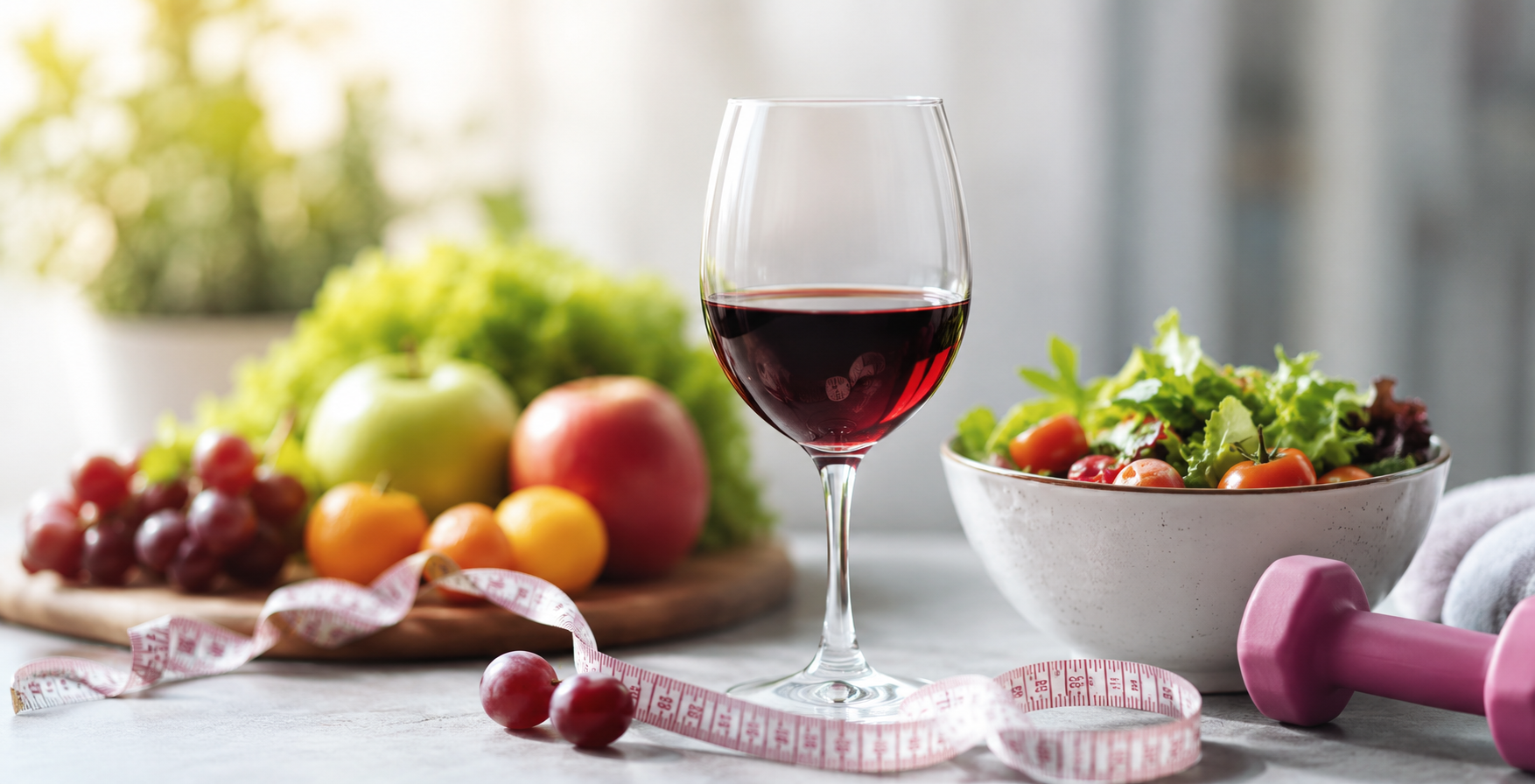
Red wine and weight loss get mentioned in the same sentence more often than almost any other alcohol topic, and the honest answer is this: red wine can fit into a healthy lifestyle in a very small way, but it is not going to be the reason the scale moves. That is the short version, and if you have been Googling this hoping for a green light to pour a second glass, we understand the disappointment. The longer version, though, is actually more interesting, because red wine does bring a few genuine compounds to the table that plain vodka or beer simply do not. At BodEvolve, our board-certified surgeons Dr. Clayton Frenzel and Dr. Brian Holt have this exact conversation with patients almost every week, and the truth sits somewhere between the wellness blogs and the strict “never touch it” crowd.
Does Red Wine Help with Weight Loss
Short answer, yes, in tiny ways, and no, not in the way most people hope. Red wine contains resveratrol, a plant compound studied for its role in fat metabolism, and it does have a lower sugar profile than most cocktails or sweet wines. That is the good news. The catch is that a five ounce pour still delivers around 125 calories with zero protein, no fiber, and nothing that keeps you full.
The Resveratrol Story
Resveratrol comes from grape skins and shows up in real, but small, amounts in red wine. Lab studies suggest it may support how the body handles fat cells, but you would have to drink an unrealistic amount to hit the doses used in research. That is why most nutrition experts stop short of calling wine a weight loss tool.
What It Actually Does in the Body
Alcohol is processed first, before fat and carbs, which means the food you eat alongside a glass of wine gets stored more easily. So even a modest pour can slow fat burning for several hours after you finish it.
| Drink (5 oz serving) | Calories | Sugar (g) | Alcohol (g) |
| Dry red wine | 125 | 0.9 | 15.6 |
| Sweet white wine | 165 | 8.0 | 13.5 |
| Regular beer (12 oz) | 153 | 12.6 | 14.0 |
| Margarita (6 oz) | 275 | 24.0 | 18.0 |
Is Red Wine Good for Weight Loss
If you are asking whether swapping a margarita for a glass of dry red is a smart calorie trade, yes, it usually is. If you are asking whether adding red wine to your evening will speed up fat loss, the science says no. Context matters more than the drink itself.
Better Than Other Alcohol Choices
Dry reds like Cabernet Sauvignon, Merlot, Pinot Noir, and Malbec typically land in the 120 to 130 calorie range per pour. Compare that to sugary cocktails or craft beers pushing 200 to 400 calories per serving, and the win becomes obvious.
The Real World Problem
People rarely stop at one glass. A single pour becomes two, appetizers appear, judgment gets fuzzier, and suddenly the day’s calorie budget is gone before dessert even arrives. If this pattern sounds familiar, our alcohol and weight loss walks through why it happens and how to break the cycle.
Drinking Red Wine for Weight Loss
Approaching wine as a weight loss strategy usually backfires. Approaching it as an occasional pleasure inside a bigger plan is a completely different mindset, and it is the one that works long term.
The Right Serving Size
Most people pour way more than five ounces at home. A standard pour looks smaller than you think, roughly the height of a tennis ball inside a wine glass. Measuring once or twice is often enough to reset your eye.
Timing Around Meals
Drinking on an empty stomach speeds alcohol absorption and can trigger cravings for salty, high fat foods. Pairing a small pour with a protein rich meal blunts that effect considerably.
| Habit | Impact on Weight Loss |
| One 5 oz pour with dinner, 2 to 3 times a week | Minimal impact if calories fit your daily target |
| Two glasses nightly with snacks | Adds 300 to 500 empty calories per day |
| Weekend binge of 4 to 5 glasses | Stalls fat loss for several days |
| Wine on an empty stomach | Increases cravings and drops blood sugar |
Is Red Wine Good for Losing Weight
Losing weight is basically a calorie and hormone equation, and red wine touches both sides in ways that are worth understanding before you decide how much room it gets in your week.
Calories You Do Not Feel
Liquid calories do not trigger the same fullness signals as food. That is the core issue with any alcohol, wine included. You can drink 300 calories in fifteen minutes and still eat a full dinner right after.
Hormonal Ripple Effects
Alcohol lowers testosterone and human growth hormone, both of which support lean muscle and metabolism. It also disrupts deep sleep, which is when the body handles most of its repair and fat processing work.
Where It Can Actually Help
For patients maintaining weight after significant loss, a controlled glass with a Mediterranean style meal can support long term adherence by preventing the “all or nothing” mindset that leads to bigger slip ups. Many of the patients featured on our gastric sleeve before and after reintroduce small amounts of wine years post surgery once their new eating pattern is locked in.
Can Red Wine Help You Lose Weight
On its own, no. As one small piece of a larger, well built plan, possibly, and only if it replaces something worse. This is where the wellness headlines really oversell what a glass of wine can do.
What the Research Actually Shows
Studies linking moderate red wine drinkers to better weight outcomes almost always find that those same people also exercise more, eat more whole foods, and sleep better. The wine is a marker of the lifestyle, not the cause of the results.
What Moves the Needle Instead
Protein intake, resistance training, sleep quality, stress management, and, for patients with clinically significant obesity, medical or surgical intervention. When lifestyle changes alone are not enough, structural options like a gastric sleeve procedure or a broader look at surgery to make the stomach smaller can create the biological reset that willpower simply cannot.
| Factor | Weight Loss Impact |
| Consistent protein at every meal | High |
| Strength training 2 to 3 times weekly | High |
| 7 to 9 hours of quality sleep | High |
| Occasional glass of dry red wine | Very low, mostly neutral |
| Daily wine with snacks | Negative |
Does Red Wine Help in Weight Loss
The clearest way to answer this is with a plain fact: no reputable weight loss protocol lists red wine as a requirement, a tool, or a shortcut. What it can be is a controlled pleasure that keeps a sustainable plan feeling sustainable, and that has real value for anyone in this for the long haul.
For People Not Considering Surgery
If your goal is to lose 15 to 30 pounds through lifestyle work, keeping red wine to two or three modest pours per week, always with food, usually will not derail progress. Cutting it out entirely for a defined stretch, say 60 to 90 days, often produces surprisingly quick early wins.
For Bariatric Patients Specifically
This is where the conversation shifts completely. After weight loss surgery, alcohol hits harder, absorbs faster, and interacts with an altered digestive system in ways that need serious respect. Our team walks patients through this in detail in our post on drinking alcohol after bariatric surgery, and the general rule is at least six to twelve months of complete avoidance post op, followed by careful, occasional reintroduction only after clearing it with your surgeon.
Why Personalized Guidance Matters
No two bodies process alcohol the same, and no generic article can replace an actual conversation with a board certified specialist who knows your history, your goals, and your labs.
Turning Curiosity Into a Real Weight Loss Plan with BodEvolve
When it comes to red wine and weight loss, the smartest move you can make is to stop looking for a magic drink and start building a plan that actually fits your body, your history, and your goals. A glass of red now and then is not the villain, and it is not the hero either. What genuinely changes lives is the combination of the right medical guidance, the right nutritional foundation, and, for many patients, the right procedure matched to their unique situation. At BodEvolve, our board certified surgeons Dr. Clayton Frenzel and Dr. Brian Holt have helped thousands of patients cut through the noise, ditch the confusing advice, and finally build something that lasts. If you are ready to have a real conversation about what will actually work for you, we would love to meet you at any of our convenient Texas locations, including our Dallas, Arlington, Richardson and Texarkana. Your next chapter can start with one honest conversation.
