
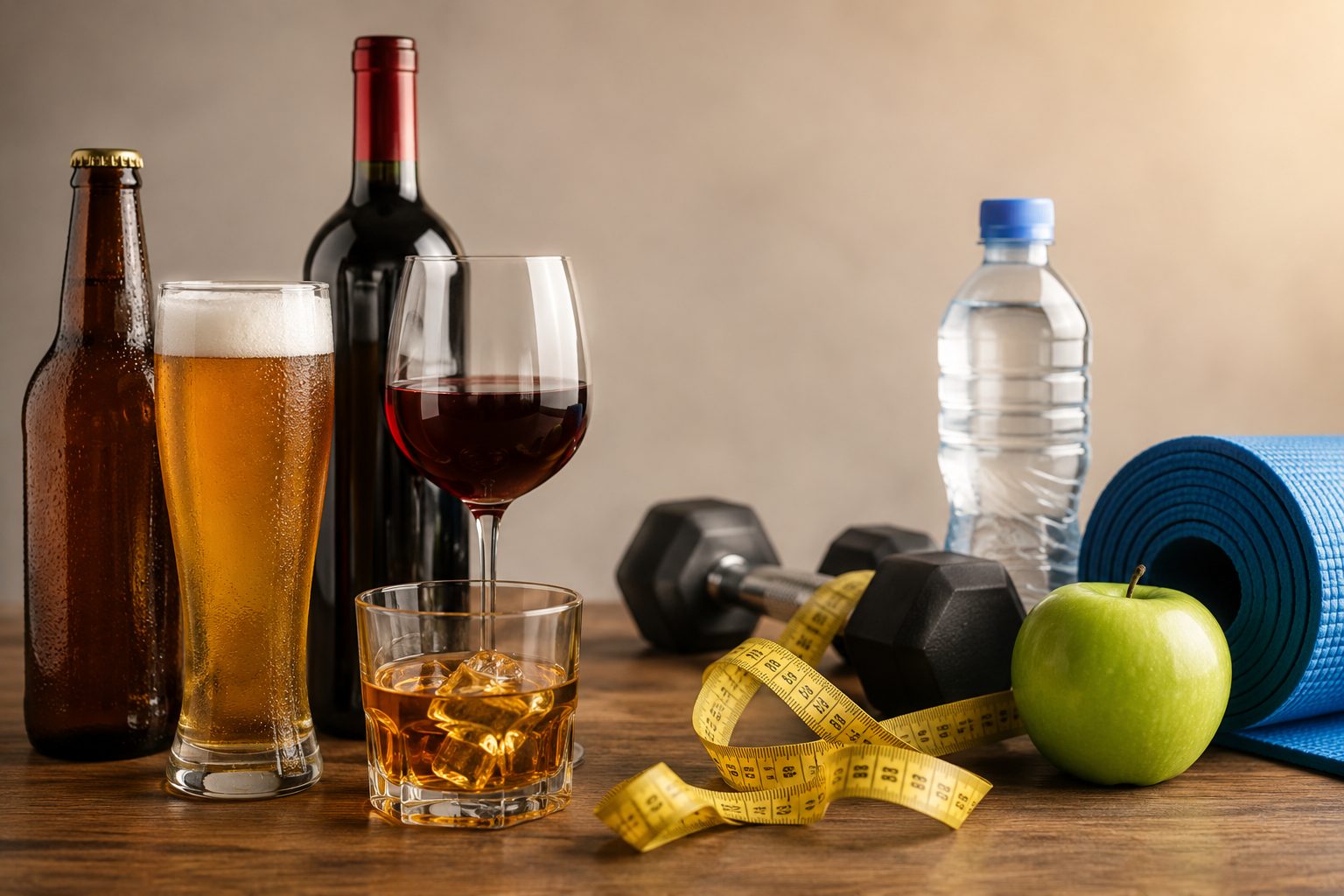
Alcohol and weight loss are two things that quietly work against each other more often than people expect, and understanding why can be the missing piece for anyone who feels stuck no matter how hard they try. Maybe you have cut back on soda, started walking every morning, or even tried a few diets that came and went. Yet the scale barely moves. If a glass of wine at dinner or a couple of beers on the weekend has stayed part of your routine, that habit might be quietly working against every other good decision you are making.
At BodEvolve, patients come in every week asking some version of the same question. They want to know why their weight will not budge, and honestly, alcohol turns out to be a bigger factor than most of them realized going in. This article breaks down the real relationship between drinking and body weight, what tends to happen once you stop, and why some people still struggle even months after their last drink. Along the way, we will look at how BodEvolve’s team, led by Dr. Clayton Frenzel and Dr. Brian Holt, approaches weight loss in a way that actually accounts for habits like alcohol instead of pretending they do not exist. If you want more practical reading like this once you are done here, our blog covers a lot of the questions patients bring us every day.
Alcohol and Weight Loss: The Basic Connection
Alcohol is not just empty calories sitting in a glass. It changes how your body processes everything else you eat that day.
It’s Surprisingly Calorie Dense
Only fat packs more calories per gram than alcohol does. One gram of alcohol carries about seven calories, nearly double what you get from carbs or protein, which is why a night of drinks can add up faster than people realize.
Your Liver Prioritizes It First
When alcohol enters your system, your liver stops burning fat and sugar for energy and focuses almost entirely on clearing the alcohol out. Everything else you have eaten gets pushed to the back of the line and is more likely to be stored.
It Loosens Your Food Choices Too
Late night cravings, extra servings, and a skipped workout the next morning are all pretty common after drinking. Honestly, it is rarely just the drink itself that adds up on the scale.
| Drink Type | Average Calories | Approximate Sugar |
| Beer (12 oz) | 150 | 0 to 12g |
| Glass of Wine (5 oz) | 125 | 1 to 4g |
| Margarita (8 oz) | 280 | 20 to 30g |
| Whiskey Sour | 190 | 10g |
| Vodka Soda | 96 | 0g |
Quitting Drinking Alcohol and Weight Loss
Many people expect the pounds to fall off the moment they stop drinking completely. Sometimes that happens fast, and sometimes it takes longer than expected.
The First Few Weeks Bring Quick Wins
Bloating goes down, sleep quality improves, and many people notice looser clothing within the first two to three weeks simply from losing water weight and reducing nightly snacking.
Old Habits Can Quietly Replace Alcohol
It is common to reach for sugary drinks, extra snacks, or larger portions to fill the void that alcohol used to occupy, which can slow or even stall progress.
Consistency Matters More Than the Quitting Date Itself
Removing alcohol helps, but it works best alongside a structured nutrition plan, which is exactly the kind of guidance our team builds into every BodEvolve program.
Stopping Alcohol and Weight Loss
There is a difference between cutting back gradually and stopping outright, and both paths affect the body differently.
Gradual Reduction Feels More Sustainable for Many
Cutting from daily drinks to a few nights a week often feels more manageable long term than an abrupt stop, especially for people who have been drinking regularly for years.
Hormones Need Time to Rebalance
Alcohol disrupts cortisol and insulin regulation. It can take several weeks after stopping for these hormones to settle back into a rhythm that supports fat loss.
Support Systems Improve the Odds of Success
Whether it is a nutrition coach, a support group, or a medical weight management program, having accountability makes stopping alcohol far more likely to translate into real results.
6 Months No Alcohol and No Weight Loss
This is one of the most common and frustrating situations we hear about, and it usually is not because the person did anything wrong.
Other Habits May Be Filling the Gap
Extra calories from food, reduced activity, or stress eating can quietly cancel out the benefit of removing alcohol.
Underlying Metabolic Factors Could Be at Play
Conditions such as insulin resistance, thyroid imbalances, or hormonal shifts can prevent weight loss even with excellent habits otherwise.
A Structured Medical Evaluation Helps Identify the Real Barrier
Guessing rarely fixes a six month plateau. This is where BodEvolve’s medical weight management program tends to make the biggest difference, since our team actually pulls labs, reviews habits, and digs into your history instead of assuming the answer is simply “try harder.”
| Possible Reason | What It Looks Like | Next Step |
| Hidden calorie creep | Snacking, larger portions, sugary replacements | Track intake honestly for one week |
| Hormonal imbalance | Fatigue, slow metabolism, stubborn belly fat | Request lab work and evaluation |
| Muscle loss over time | Weight stable but body composition worsens | Add resistance training |
| Underlying medical condition | No progress despite clean habits | Schedule a consultation |
Alcoholism and Weight Loss
For people dealing with long term or heavy alcohol use, the relationship with weight becomes more complicated and often more serious.
Weight Can Go Either Direction
Some individuals gain weight from the calories and poor nutrition that often come with heavy drinking, while others lose weight due to poor appetite, nutrient malabsorption, or liver stress.
Nutritional Deficiencies Are Common
Long term alcohol use can interfere with the absorption of key vitamins, which affects energy, metabolism, and the body’s ability to build lean muscle.
Medical Guidance Is Essential Before Major Lifestyle Changes
Anyone recovering from alcoholism should lean on medical professionals before jumping into an aggressive weight loss plan, since the body needs real time to heal first. We have also worked with patients whose weight loss stalled or reversed after a previous surgery complicated by heavy drinking, and for those cases our revision weight loss surgery option can help get things back on track once they are medically ready.
Stop Drinking and Lose Weight
For people who are ready to make a real change, stopping alcohol can become one of the most effective and immediate steps toward lasting weight loss.
Fewer Empty Calories Add Up Quickly
Cutting out even four drinks a week can remove over 25,000 calories a year, roughly equal to seven pounds of fat.
Better Sleep Supports Fat Loss
Alcohol disrupts REM sleep, and poor sleep is directly linked to higher hunger hormones and slower metabolism. Removing alcohol often improves sleep within days.
Combining It With a Proven Program Multiplies Results
Willpower alone only gets most people so far. Patients who pair stopping alcohol with a guided plan, whether that means gastric sleeve surgery, gastric bypass surgery, or our medical weight management program, tend to see results that actually stick instead of fading after a few good weeks. You can get a feel for what that path looks like on our weight loss journey page.
Effects of Alcohol and Weight Loss
Beyond calories, alcohol affects the body in ways that go far past the glass itself.
It Slows Fat Burning for Hours
Your body prioritizes metabolizing alcohol over fat, meaning fat burning can be paused for up to twelve hours after drinking.
It Increases Appetite the Next Day
Alcohol disrupts ghrelin and leptin, the hormones that regulate hunger and fullness, which is why many people feel hungrier than usual the day after drinking.
It Can Undermine Surgical Weight Loss Results
For patients who have undergone procedures like duodenal switch or SADI-S, alcohol is processed differently after surgery and can hit the system harder and faster, making moderation especially important during recovery.
| Effect | Short Term Impact | Long Term Impact |
| Fat metabolism | Paused for hours after drinking | Chronic slowdown with regular use |
| Appetite hormones | Increased hunger next day | Long term hormonal imbalance |
| Sleep quality | Disrupted REM cycles | Ongoing fatigue and cravings |
| Nutrient absorption | Mild reduction | Vitamin deficiencies over time |
Finding a Path Forward With BodEvolve
If you have made it this far, you already know that alcohol and weight loss are more tangled together than most people assume, and that cutting back is one of the simplest changes you can make for real progress. Still, most people do better with some expert guidance in the mix rather than white knuckling it alone, and that is really the whole point of this article.
At BodEvolve, our team, led by Dr. Clayton Frenzel and Dr. Brian Holt, has sat across the table from thousands of patients who felt exactly like you might right now, frustrated, a little defeated, but not ready to give up. We have seen what actually moves the needle, and it usually comes down to having a real plan built around your body rather than another generic diet. That is what we try to offer every single patient who walks through our door.
BodEvolve proudly serves patients across the Dallas Fort Worth area, with convenient locations in Arlington, Richardson, Dallas, or Texarkana . If you are ready to finally figure out what has been standing between you and your goals, reach out and schedule a consultation with our team. It might be the conversation that changes everything.
