
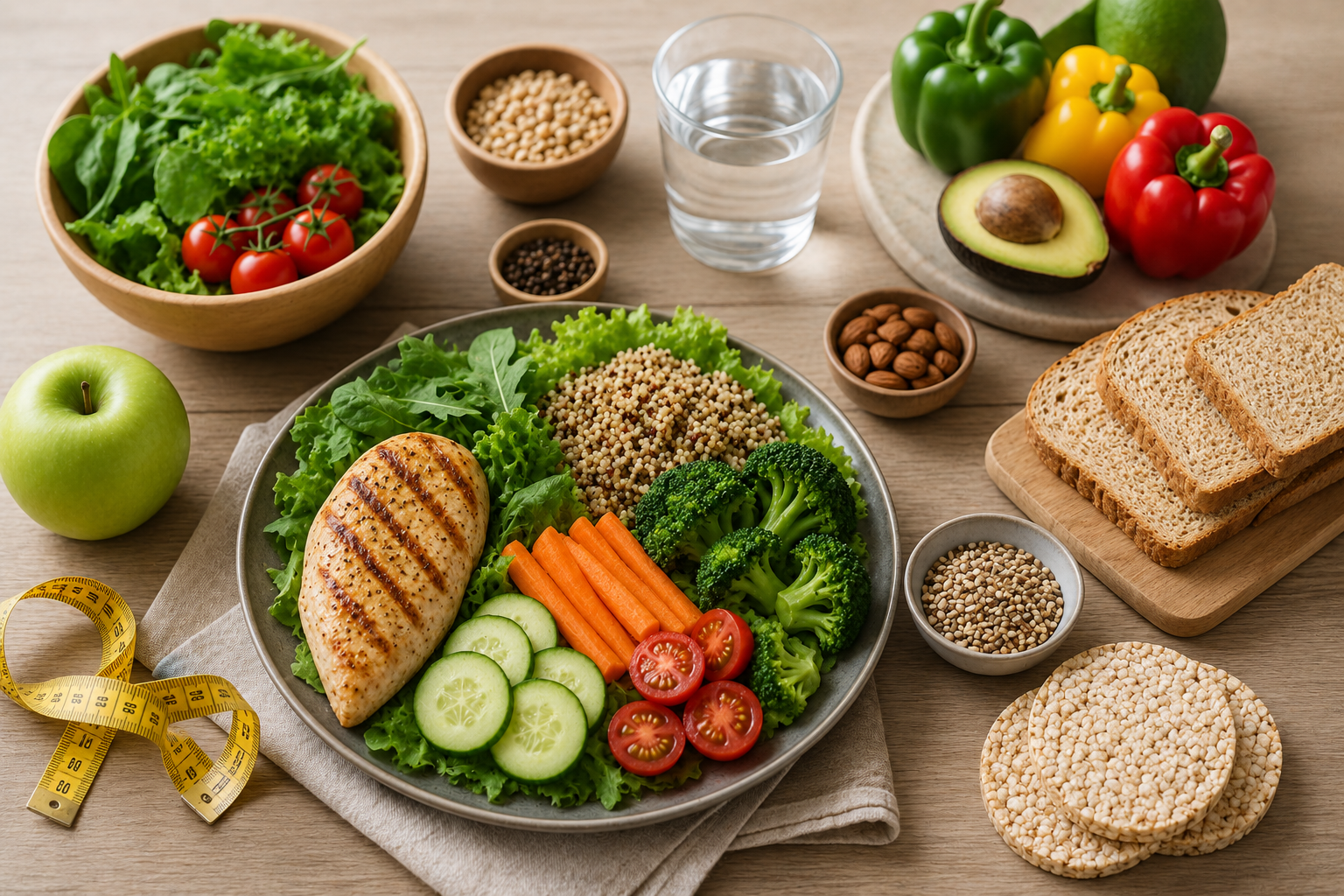
Gluten free diet for weight loss works best when you treat it as a whole food eating pattern, not a shortcut built on gluten free cookies and gluten free bread pulled straight off a grocery shelf. Simply removing gluten from your plate does not guarantee the scale will move unless the diet naturally ends up lower in processed carbs and higher in protein, fiber, and vegetables. At BodEvolve Bariatric, Dr. Clayton Frenzel and his team hear this question almost every week from patients preparing for surgery, recovering from surgery, or just trying to get healthier on their own, so here is an honest, medically grounded look at what gluten free eating can and cannot do for your weight. Dr. Frenzel is a triple board certified, dual fellowship trained bariatric and cosmetic surgeon, and that clinical background shapes every piece of nutrition guidance we share, including what you are about to read.
Gluten Free Diet for Weight Loss: What It Actually Means
Gluten is a protein found in wheat, barley, and rye. People go gluten free for a lot of reasons: celiac disease, gluten sensitivity, bloating, or simply because they heard it might help them drop pounds. The truth sits somewhere in the middle. A gluten free diet is not automatically a low calorie diet, and it is definitely not automatically a healthy one.
What Counts as Gluten and What Doesn’t
Bread, pasta, cereal, beer, and most baked goods contain gluten. Rice, potatoes, quinoa, beans, fruits, vegetables, and lean protein do not. Building meals around that second list is where the actual weight loss benefit tends to show up. Cross contamination is worth knowing about too, since naturally gluten free foods can pick up trace gluten during processing.
Why the Diet Gets Confused With Weight Loss
Packaged gluten free snacks are often loaded with sugar, refined starches, and extra fat to make up for the texture gluten normally provides. Grabbing gluten free crackers instead of regular ones without changing anything else rarely leads to real results.
Is Gluten Free Diet Good for Weight Loss?
For some patients, yes. For others, not particularly. It depends entirely on what replaces the gluten. Patients who swap white bread and pasta for vegetables, lean protein, and whole grains usually see steady progress. Patients who just swap regular junk food for gluten free junk food usually do not.
When It Genuinely Helps
If you have undiagnosed gluten sensitivity, cutting it out can reduce bloating, inflammation, and the kind of water weight that makes clothes fit tighter. Digestion often improves within a few weeks, and better digestion tends to support more consistent eating habits. Some patients also notice clearer skin and steadier energy levels once inflammation settles down, which makes it easier to stay consistent with exercise.
When It Stalls Instead of Helps
If your weight loss plateaus even on a clean gluten free plan, that is usually a calorie or activity issue, not a gluten issue. Our team sometimes sees this in patients considering gastric sleeve or gastric bypass after years of diet attempts that stopped producing results. Diet changes alone cannot always undo years of metabolic slowdown, and that is a normal, human thing, not a failure.
Gluten Free Diet Plan for Weight Loss
A workable plan is less about restriction and more about structure. Most patients do well with three balanced meals and one or two small snacks, built around protein, fiber, and healthy fat instead of processed carbohydrates.
Building Your Plate the Right Way
Fill half your plate with vegetables, a quarter with lean protein like chicken, fish, or eggs, and a quarter with a gluten free complex carb such as sweet potato or brown rice. Many patients ask us whether quinoa is good for weight loss, and it is one of our favorite gluten free carbs to recommend since it is naturally high in plant protein and fiber. Our meal plan for healthy eating and weight loss resources breaks this down further for anyone short on time. Hydration matters here too, since drinking enough water throughout the day helps control appetite and supports the digestion of all that added fiber.
Sample Gluten Free Weight Loss Day
| Meal | What to Eat | Why It Works |
| Breakfast | Eggs, spinach, and berries | Protein and fiber keep you full |
| Lunch | Grilled chicken, quinoa, roasted vegetables | Balanced macros, no processed carbs |
| Snack | Greek yogurt with almonds | Curbs afternoon cravings |
| Dinner | Baked salmon, brown rice, steamed broccoli | Lean protein plus complex carbs |
Gluten Free Diets for Weight Loss: Different Approaches
Not every gluten free diet looks the same, and picking the right style matters more than most people realize.
Comparing the Main Approaches
| Approach | Focus | Best For |
| Whole food gluten free | Fresh produce, lean protein, minimal packaged food | Most patients starting out |
| Gluten free Mediterranean | Olive oil, fish, vegetables, whole grains | Heart health plus weight loss |
| Gluten free low carb | Lower starch, higher protein and fat | Faster initial results |
| Gluten free paleo style | No grains at all, focus on meat and vegetables | Patients with additional sensitivities |
Tracking Matters as Much as the Diet Style
Whichever approach you pick, understanding your BMR vs TDEE numbers helps you eat the right amount for your body instead of guessing. Patients who plateau despite doing everything right often find the answer in our weight set point theory article, since biology sometimes fights back harder than willpower alone can handle. Most patients do best starting with the whole food approach for a few weeks before layering on anything more restrictive.
Benefits of Gluten Free Diet for Weight Loss
Done correctly, the benefits go beyond the number on the scale.
The Core Benefits
| Benefit | How It Helps |
| Less bloating | Reduced water retention and a flatter stomach |
| Lower inflammation | Easier workouts and faster recovery |
| Steadier blood sugar | Fewer cravings and energy crashes |
| Fewer processed carbs | Naturally lower calorie intake |
| Better food awareness | Patients read labels and plan meals more carefully |
Metabolic and Body Composition Benefits
Cutting processed gluten sources often means cutting refined sugar at the same time, which supports better blood sugar control. This overlaps closely with what we cover in our insulin resistance diet guide. Patients also tend to build lean muscle more easily once processed carbs drop, which matters if you are trying to avoid becoming skinny fat during weight loss. For patients with a higher BMI or more complex metabolic history, procedures like duodenal switch or SADI-S can work alongside these dietary habits for far more significant results.
Gluten and Dairy Free Diet Plan for Weight Loss
Some patients feel better cutting both gluten and dairy at once, especially if they deal with bloating, skin issues, or sluggish digestion that doesn’t fully resolve with gluten removal alone.
Why Some Patients Combine Both
Dairy and gluten are two of the most common food sensitivities, and they often overlap. Removing both at once can make it easier to pinpoint what was actually causing your symptoms in the first place. Going gluten and dairy free at the same time is more restrictive, so it works best with guidance from a physician or dietitian.
Simple Swaps That Work
| Instead Of | Try |
| Wheat bread | Gluten free oat or almond flour bread |
| Regular pasta | Chickpea or lentil pasta |
| Cow’s milk | Unsweetened almond or oat milk |
| Cheese sauces | Nutritional yeast or dairy free alternatives |
| Cream based soups | Coconut milk or bone broth based soups |
Making Gluten Free Diet for Weight Loss Work With BodEvolve
Gluten free diet for weight loss can absolutely support your goals, but it works best as one piece of a bigger plan rather than the whole plan by itself. Dr. Clayton Frenzel and Dr. Brian Holt both work with patients on the nutrition side long before surgery ever comes into the conversation, and for many patients, dietary changes alone get them most of the way there. Whether you are just starting to explore gluten free eating or already deep into a weight loss journey, having a medical team behind your decisions makes a measurable difference. For patients who need more support, our medical weight management program pairs nutrition coaching with medical guidance, and our revision weight loss team is available for patients whose previous surgery or diet plan did not deliver lasting results. BodEvolve proudly serves patients across Dallas, Richardson, Arlington, and Texarkana, and our team is ready to help you build a plan that actually fits your body and your life.
