
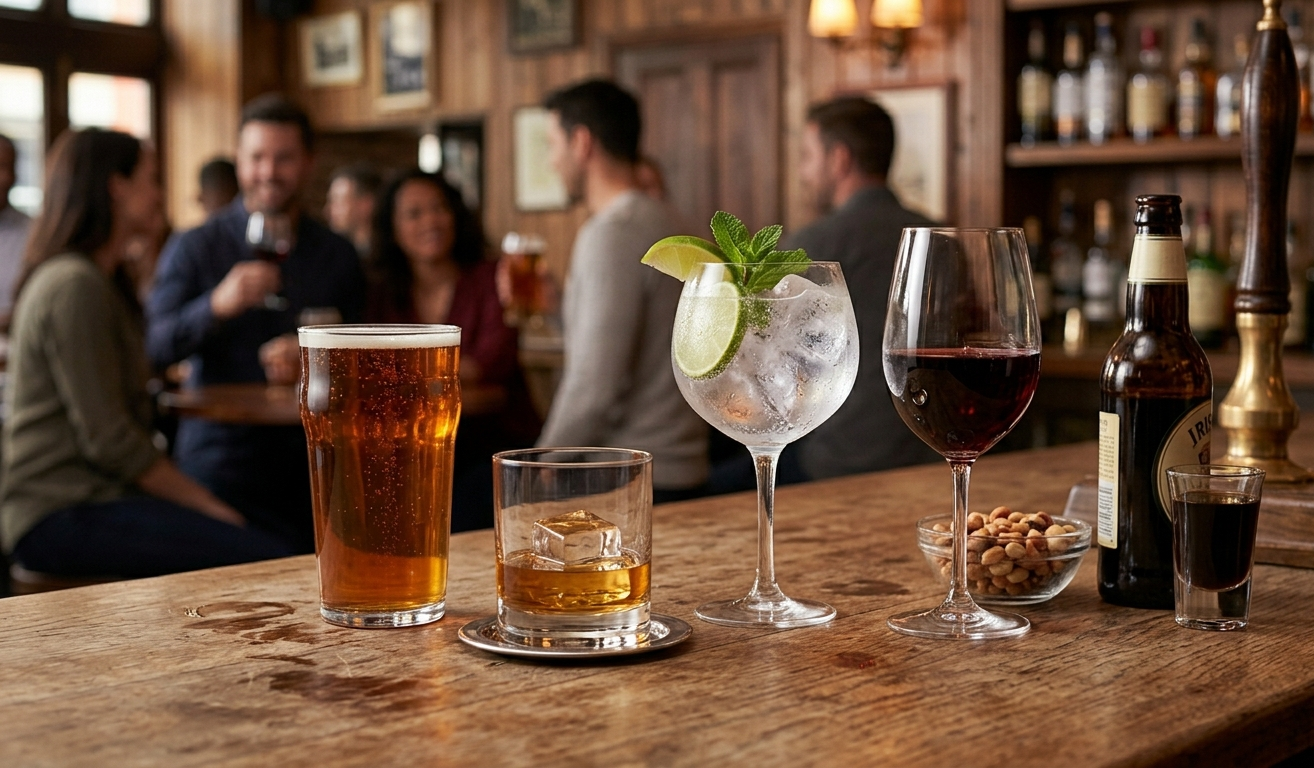
Can you drink alcohol after bariatric surgery? It is one of the most common questions patients ask before and after their procedure, and honestly, it makes sense to ask. You are making a major lifestyle change, and alcohol is a normal part of social life for many people. Weddings, birthday dinners, holiday parties, work events, a glass of wine after a long week. The question is not silly at all. But the answer is more complicated than a simple yes or no, and understanding it could genuinely protect your health and your results.
Let’s walk through what actually happens in your body after surgery, what the research says, and what the surgeons at BodEvolve Bariatric typically recommend to their patients.
Why Alcohol Hits Differently After Bariatric Surgery
Before surgery, your stomach had a much larger volume and a normal digestive pathway. After a procedure like a gastric sleeve or gastric bypass, your anatomy changes significantly. The stomach is smaller, the digestive route is altered (especially with bypass), and the way your body absorbs substances, including alcohol, shifts dramatically.
When you drink after surgery, alcohol enters your bloodstream faster and at a higher concentration. Studies have shown that peak blood alcohol concentration (BAC) after bariatric surgery is nearly twice as high compared to before surgery, and it takes significantly longer for your body to process and clear it. So one glass of wine post-op can hit you like two or three glasses used to. Many patients describe feeling drunk almost immediately, even before finishing a single drink.
Beyond just feeling intoxicated faster, alcohol is also high in empty calories. It can stall weight loss, trigger cravings, irritate the healing surgical site, and contribute to nutritional deficiencies, which are already a concern in the post-op period.
Can You Drink Alcohol After Bariatric Surgery at All?
Can you drink alcohol after bariatric surgery without it automatically derailing your progress? Technically, yes, some patients do eventually consume alcohol in moderation further down the line. But the word “eventually” carries a lot of weight here, and moderation means something very different after weight loss surgery than it did before.
The biggest concern that bariatric care teams, including the team at BodEvolve Bariatric, continue to emphasize is alcohol use disorder (AUD) after surgery. This is a real and documented risk. Some patients who never had a complicated relationship with alcohol before surgery develop problematic drinking patterns afterward. Researchers call this “addiction transfer” or “cross-addiction,” where the behavioral patterns associated with emotional eating get redirected toward another substance. It is not inevitable, but it is something every bariatric patient should be genuinely informed about.
How Long After Bariatric Surgery Can You Drink Alcohol?
This is the practical question most patients want a direct answer to. How long after bariatric surgery can you drink alcohol without serious risk?
Most bariatric surgeons recommend a minimum of 6 months to 1 year of complete abstinence from alcohol after surgery. Some programs require a full year. The reasoning is straightforward: your body is healing, your nutrition habits are being rebuilt from scratch, and the first 12 months are the most critical window for weight loss results. Alcohol adds empty calories, disrupts sleep, impairs judgment around food choices, and can slow your progress at the worst possible time.
For procedures like SADI-S or a duodenal switch, the absorption changes are more significant, so the alcohol sensitivity post-op is even more pronounced than with a sleeve. Patients who had more complex procedures need to be especially cautious, even well beyond the one-year mark.
When Can You Drink Alcohol After Gastric Sleeve
Most sleeve patients are advised to wait a minimum of 6 months, with most BodEvolve surgeons recommending the full 12 months before reintroducing alcohol.
Why the wait matters for sleeve patients specifically:
- The sleeve reduces stomach size by 75 to 80 percent, meaning alcohol hits your bloodstream far faster than before
- One drink post-sleeve can feel like two or three used to
- Alcohol stalls weight loss, depletes B vitamins, and irritates the healing sleeve lining
- Carbonated alcoholic drinks should be avoided entirely, even after the one-year mark
Always confirm the timeline directly with your BodEvolve surgeon before making any decision.
Real Risks of Drinking After Bariatric Surgery
Drinking after bariatric surgery carries risks that go beyond just slowing weight loss. Here is what patients often do not fully anticipate:
Rapid intoxication and impaired decision-making. Because alcohol absorbs so fast, patients often do not realize how impaired they are until it is too late. This is not just a social inconvenience. Driving, operating machinery, or even making food decisions while impaired become genuinely dangerous.
Hypoglycemia. Alcohol can cause blood sugar to drop sharply, especially in patients who had gastric bypass surgery. This can cause dizziness, confusion, or fainting and is sometimes mistaken for being drunk.
Increased addiction risk. As mentioned, the risk of transferring food-related behaviors to alcohol is real. Patients with a history of using food for comfort should speak honestly with their surgeon or a mental health professional before making any decision about returning to alcohol.
Nutritional interference. Alcohol depletes B vitamins, including thiamine and folate, and interferes with calcium and zinc absorption. After bariatric surgery, patients are already working to maintain adequate nutrition through supplements. Alcohol makes that harder.
Ulcers and gastric irritation. Alcohol is irritating to the stomach lining, and a surgically altered stomach is more vulnerable to this damage. Gastric ulcers and marginal ulcers (at the surgical connection site) are possible complications.
Patients at the BodEvolve Arlington locations receive detailed post-op education on these risks as part of the surgical journey. The care team’s goal is not to lecture but to make sure patients go into life after surgery fully informed.
How Long After Bariatric Surgery Can You Drink Alcohol Responsibly?
If you are well past the one-year mark, your weight loss has stabilized, your labs are consistently good, and you have discussed it openly with your bariatric surgeon, some patients can reintroduce alcohol carefully and occasionally. The key word is occasionally.
When patients do return to alcohol, the general guidance includes:
- Avoid drinking on an empty stomach
- Start with very small amounts and pay attention to how quickly you feel the effects
- Never drink and drive, even after what feels like one small sip
- Avoid carbonated alcoholic beverages (sparkling wine, beer), as carbonation can cause discomfort and stretch the pouch
- Track your alcohol intake as carefully as you track food
- Be honest with yourself if it starts to feel like a habit rather than an occasional choice
If you have a gastric sleeve and want to see what kind of lifestyle changes patients navigate after surgery, the weight loss surgery before and after give a realistic picture of life post-op. Real patients, real timelines, real experiences.
Drinking After Bariatric Surgery: What About Special Occasions?
Drinking after bariatric surgery at weddings, holidays, or family events is a question many patients bring up when planning their lives. The honest answer is that the rules do not bend because of the occasion. Your biology does not make an exception for New Year’s Eve.
What you can do instead is plan ahead. Sparkling water with a lime, mocktails, kombucha, or flavored sparkling water can all let you participate in a toast without the risks. Many patients find that no one around them notices or cares what is in their glass once they stop feeling like they need to explain themselves.
What Our Surgeons Want You to Remember
Can you drink alcohol after bariatric surgery? The most honest answer is- not for a long time, and even then, only with significant caution and your surgeon’s guidance. The physical changes that make bariatric surgery so effective at transforming your health are the same changes that make alcohol far riskier than it was before. Your body is not the same, and that is actually a very good thing. It means what you went through is working.
Our best bariatric surgeon in Texas has walked thousands of patients through these exact questions. Their role is not to take things away from your life. It is to help you build a version of your life that is healthier, fuller, and more sustainable than the one you had before. If you have questions about your specific journey, reach out and start the conversation.
