
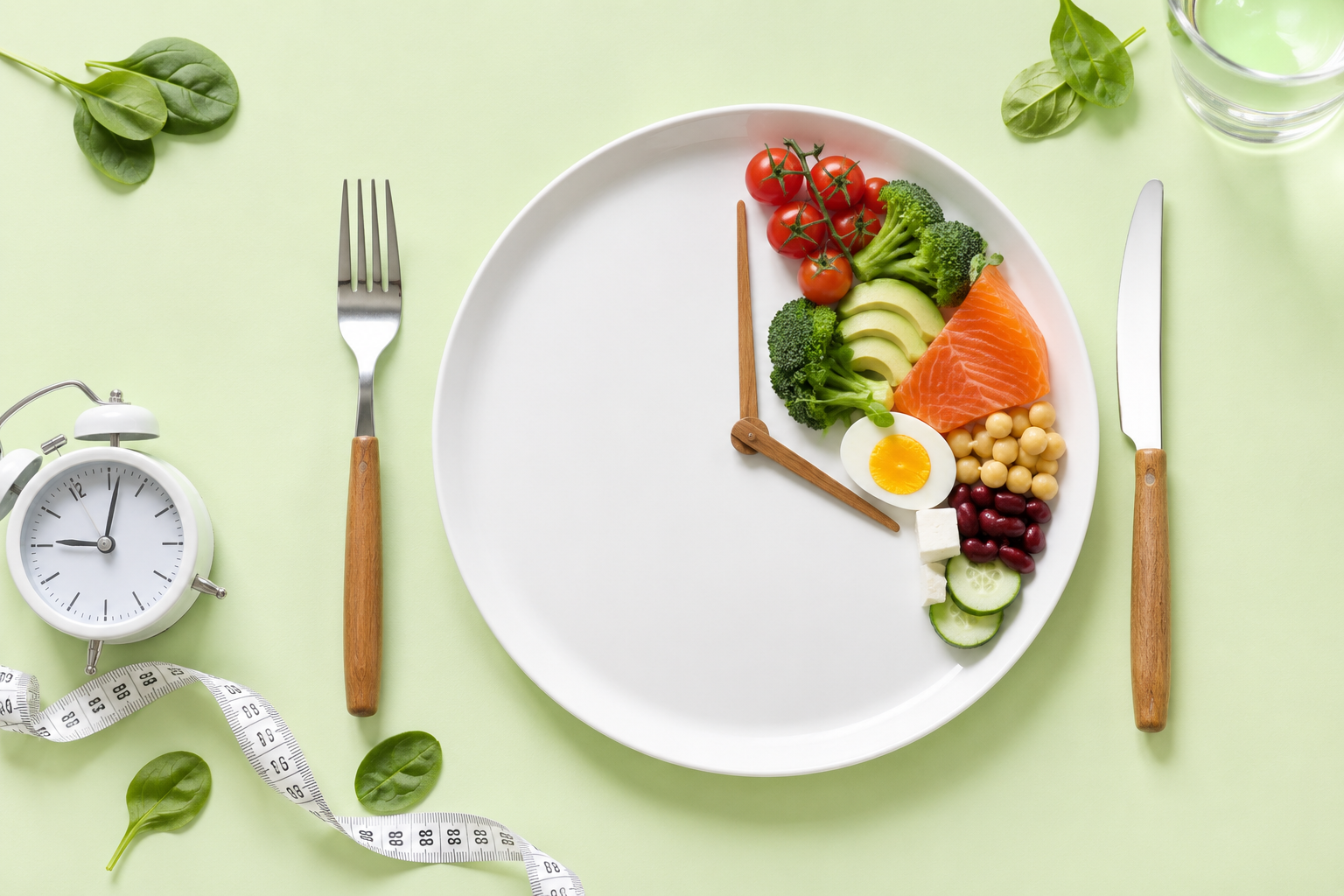
Meal timing for weight loss is the practice of scheduling when you eat, not just what you eat, so your meals work with your body’s natural rhythms instead of fighting against them. It sounds simple on paper, but the “when” of eating quietly shapes hunger, energy, blood sugar, and long-term fat loss in ways that most crash diets never bother to explain. At BodEvolve Bariatric and Cosmetic Surgery, we see patients every single week who have counted calories for years without ever asking whether their eating window was actually helping or hurting them. This guide walks through the science, the schedules, and the practical steps our team uses to help patients build a rhythm that finally sticks.
Timing of Meals for Weight Loss: Why It Actually Matters
The timing of meals for weight loss matters because your body runs on a 24-hour internal clock, and every meal sends a signal to that clock. Eating late at night, grazing all day, or skipping breakfast entirely can throw off insulin, hunger hormones, and even sleep quality. When timing lines up with your circadian rhythm, weight loss becomes easier to maintain because your body stops working against you.
Insulin Sensitivity Peaks Earlier in the Day
Research consistently shows the body handles carbohydrates and sugars better in the morning than after sunset. The same bowl of oatmeal eaten at 8 AM produces a smaller blood sugar spike than the same bowl at 9 PM. Front-loading calories helps patients feel fuller for longer while keeping insulin levels stable throughout the day.
Late-Night Eating Slows Fat Loss
Eating within three hours of bedtime interferes with sleep quality, fat oxidation, and next-day appetite. Patients who close the kitchen by 7 or 8 PM often report faster weight loss and noticeably fewer nighttime cravings within the first month of the change.
Consistent Timing Reduces Cravings
Your body loves rhythm. When meals happen at roughly the same time daily, hunger hormones like ghrelin become predictable rather than chaotic. This is one of the most underrated tools for anyone who feels like snacking controls their day.
Best Meal Timing for Weight Loss Backed by Science
The best meal timing for weight loss is not one universal schedule, but decades of research point toward a handful of reliable patterns. Time-restricted eating, early time-restricted feeding, and structured three-meal days consistently outperform all-day grazing when it comes to fat loss and metabolic health.
Common Eating Windows Compared
| Eating Window | Description | Best For |
| 16:8 | Eat within 8 hours, fast 16 | Working professionals, beginners |
| 14:10 | Eat within 10 hours, fast 14 | Gentle start, active adults |
| Early TRE | Eat between 7 AM and 3 PM | Insulin resistance, PCOS |
| 12:12 | Eat within 12 hours, fast 12 | Post-op patients, seniors |
Early Time-Restricted Eating Shows Strong Results
Studies from the University of Alabama found that eating between 7 AM and 3 PM lowered appetite, improved insulin sensitivity, and increased fat burning even without cutting calories. For patients dealing with insulin resistance or metabolic syndrome, this is often the first schedule our team recommends alongside a review of weight loss surgery options.
A Bigger Breakfast, Smaller Dinner Approach
Splitting the day so breakfast and lunch carry most of the calories, while dinner stays light, has been shown to nearly double weight loss compared to the reverse pattern in women with metabolic syndrome. It also improves sleep, which further supports fat loss.
Meal Frequency Matters Less Than People Think
Whether you eat three meals or five, total calories and the timing window drive results far more than the number of plates. Pick the pattern you can honestly stick with for years, not the one that looks best on a Sunday meal-prep video.
Meal Timing for Weight Loss: The BodEvolve Approach
Meal timing for weight loss looks different for every patient we treat, which is why our team never hands out generic meal plans. Whether a patient is preparing for gastric sleeve surgery, recovering from gastric bypass surgery, or working through a non-surgical program, Dr. Clayton Frenzel and Dr. Brian Holt build the eating rhythm around each patient’s actual schedule, culture, and appetite.
We Start With Your Current Routine
Before recommending any window, our clinical team asks about wake times, work shifts, family meals, and social habits. A nurse working nights needs a completely different plan than a retired teacher who wakes up at six.
Small Shifts, Not Overhauls
Most patients see real results when they shift dinner one hour earlier or push breakfast one hour later, not when they try a full overhaul on day one. Slow, honest changes are where long-term success actually lives.
Behavior Coaching Comes With the Plan
Timing alone will not fix emotional eating, boredom snacking, or stress patterns. Our program pairs meal timing with behavioral coaching, because the mental side of eating deserves as much attention as the plate itself.
Sample Day of Meal Timing for Weight Loss
| Time | Meal | Focus |
| 8:00 AM | Breakfast | Protein, healthy fat, low sugar |
| 12:30 PM | Lunch | Largest meal of the day |
| 4:00 PM | Optional snack | Only if hungry, protein-based |
| 6:30 PM | Light dinner | Vegetables, lean protein |
| 8:00 PM | Kitchen closed | No calories after this point |
Timing Meals for Weight Loss After Bariatric Surgery
Timing meals for weight loss after bariatric surgery is a completely different game. The stomach is smaller, hunger signals change, and grazing quietly becomes one of the biggest risks to long-term success. Patients who follow structured protocols after duodenal switch surgery or a sleeve procedure consistently see stronger results than those who let meals scatter across the day.
Three Structured Meals Beat Grazing
Post-op patients who eat three defined meals per day, with protein first, outperform patients who nibble across eight or ten small snacks. Grazing leads to early plateau, weight regain, and frustration that could have been avoided.
Separate Fluids From Food
This rule is non-negotiable in our practice. Drinking within 30 minutes of a meal fills the pouch too quickly, cuts protein intake short, and increases the risk of stretching the stomach over time. It is a small habit with a huge payoff.
Watch the Two-Year Window
The first 18 to 24 months post-op is when meal timing habits solidify for life. Patients who lock in structure early rarely need to explore bariatric revision surgery years down the line, and our post-op nutrition guide covers exactly what that structure should look like week by week.
Post-Op Meal Timing Schedule
| Phase | Timing | Focus |
| Weeks 1-2 | Every 2-3 hours, liquid | Hydration, healing |
| Weeks 3-4 | Every 3-4 hours, pureed | Gentle protein |
| Weeks 5-8 | 3 meals, soft foods | Protein first, chew slowly |
| Month 3+ | 3 meals, 1 snack max | Solid food, structured timing |
Foods to Prioritize by Meal
| Meal | Priority | Example |
| Breakfast | Protein + fat | Eggs with avocado |
| Lunch | Protein + fiber | Grilled chicken salad |
| Dinner | Protein + veg | Baked fish, greens |
| Snack (if needed) | Protein only | Greek yogurt |
Building a Meal Timing Plan You Can Actually Keep
Meal timing for weight loss only works if it fits the life you actually live, not the life some diet book imagined for you. At BodEvolve Bariatric and Cosmetic Surgery, our team helps patients across Arlington, Richardson, Dallas, or Texarkana build eating rhythms they can honestly sustain for decades, not just weeks. Whether the goal is 30 pounds or 150, the same principle holds: consistency beats perfection every single time. If you are ready to take the next step and want a plan built around your real schedule, our team is here to walk that road with you.
