
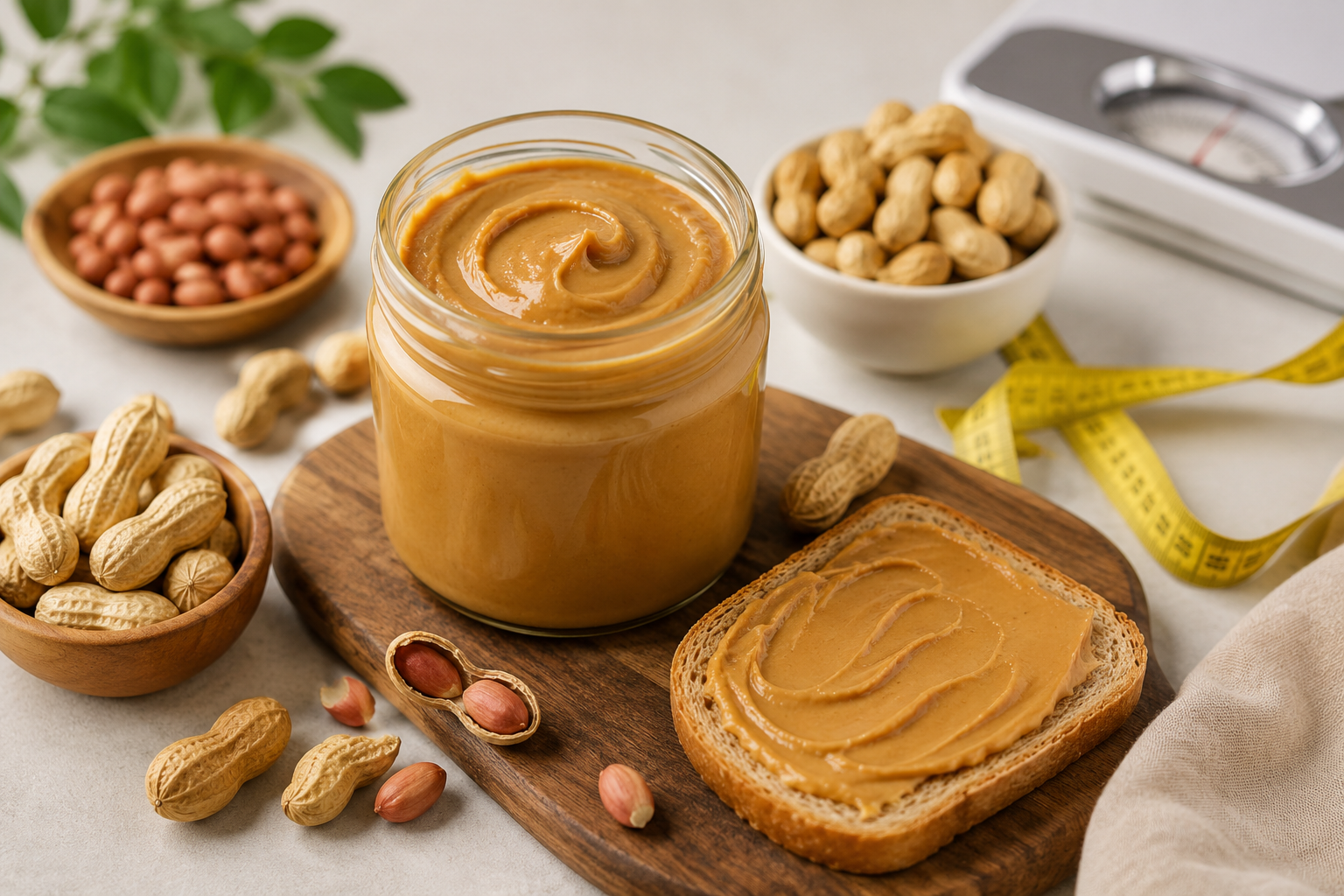
Is peanut butter good for weight loss? Yes, it can be, but only when the portion is controlled and the type is chosen carefully. A single tablespoon of natural peanut butter carries protein, healthy fats, and fiber that keep you full for hours, which usually means fewer snack raids and steadier blood sugar through the afternoon. The catch is that two tablespoons quietly turn into four, and suddenly you have added nearly 400 calories without noticing. At BodEvolve Bariatric, our team led by Dr. Clayton Frenzel sees this exact pattern show up with patients building a sustainable eating plan. The food itself is rarely the problem. The habits stacked around it are what decide the outcome.
Is Peanut Butter Healthy for Weight Loss
Peanut butter is calorie-dense but also genuinely nutrient-rich, and that combination is what confuses most people trying to lose weight. Two tablespoons carry roughly 190 calories, 7 to 8 grams of protein, 16 grams of fat (mostly monounsaturated), and around 2 grams of fiber. It also delivers magnesium, vitamin E, and smaller amounts of iron and potassium. The fat profile is actually similar to what you find in olive oil or avocados, which is why researchers often group peanuts with heart-healthy foods rather than treating them as junk.
The catch is density. Peanut butter is smooth, mildly sweet, and satisfying in a way that quietly trains the brain to want more of it. For anyone working through a weight loss journey, especially patients who have explored medical weight management or are recovering from a bariatric procedure, portion awareness has to come first, not last.
What one serving actually looks like
A level tablespoon is about the size of your thumb tip, not a heaping scoop off a butter knife. Most people underestimate their serving by 50 to 70 percent when they eyeball it, which is enough to stall progress for weeks.
Nutritional Breakdown of Peanut Butter (2 tbsp / 32g)
| Nutrient | Amount | % Daily Value |
| Calories | 190 kcal | ~10% |
| Protein | 7 to 8 g | 14% |
| Total Fat | 16 g | 21% |
| Saturated Fat | 3 g | 15% |
| Carbohydrates | 7 g | 3% |
| Fiber | 2 g | 7% |
| Sugar (natural) | 2 g | N/A |
| Magnesium | 57 mg | 14% |
Peanut Butter Is It Good for Weight Loss
Peanut butter is good for weight loss when included the right way? Absolutely. Its combination of protein and healthy fat slows gastric emptying, which is why hunger stays quiet for hours after eating it. Multiple studies have found that people who include moderate amounts of peanuts or peanut butter in their daily diet tend to carry lower body mass index numbers than those who avoid nuts entirely.
Here is what makes it work: satiety. When your meals leave you actually satisfied, you snack less between them. When you snack less, calorie totals fall on their own. Add the blood sugar stability that healthy fats provide, and you have a food that fights cravings instead of triggering them.
Where it fits into a real day
For patients following a plan built around calorie controlled diets for weight loss, peanut butter is a swap, not an add-on. Trade the sugary morning muffin for a slice of whole-grain toast with a level tablespoon of peanut butter, and you have replaced empty carbs with lasting fuel that carries you well past 11 a.m.
Peanut Butter vs Common Breakfast Choices
| Breakfast (1 serving) | Calories | Protein | Fullness Rating |
| Peanut butter on whole-grain toast | 250 | 10 g | 8 / 10 |
| Bagel with cream cheese | 380 | 9 g | 5 / 10 |
| Frosted cereal + milk | 290 | 6 g | 4 / 10 |
| Greek yogurt + berries | 200 | 15 g | 8 / 10 |
| Blueberry muffin | 420 | 5 g | 3 / 10 |
Peanut Butter for Weight Loss
Using peanut butter for weight loss comes down to two rules that never change: know your serving, and pair it with fiber. On its own, a spoon of peanut butter is a calorie bomb waiting to be misjudged. Paired with an apple, a banana, celery sticks, or plain oatmeal, it becomes a slow-release mini meal that carries you between eating windows without triggering a mid-afternoon crash.
Common mistakes patients make
Most people spread peanut butter with a butter knife straight from the jar, using two to three times what the label calls a serving. Others eat it late at night, straight from the spoon, while watching TV. Both patterns quietly derail otherwise disciplined eating. If you have gone through gastric sleeve surgery or gastric bypass, these small habit slips matter even more because your stomach has less room and every bite has to earn its place.
Even patients who explored a SADI-S procedure or duodenal switch benefit from peanut butter’s protein density, but portion discipline is not optional. Neither is honest tracking.
Serving Size vs Calorie Impact
| Portion Style | Amount | Calories | Fits a Weight Loss Plan? |
| Small dip | 1 tsp | 32 | Yes |
| Standard serving | 1 tbsp | 95 | Yes |
| Common eyeball scoop | 2 tbsp | 190 | Sometimes |
| Straight from the jar | 4+ tbsp | 380+ | No |
Natural Peanut Butter for Weight Loss
Natural peanut butter for weight loss is the version worth reaching for, every time. The label should read one ingredient: peanuts. That is it. Some brands add a pinch of salt, which is fine. What you do not want is palm oil, hydrogenated oils, added sugar, molasses, or corn syrup. Those additives push calories up without adding any real satiety, and they turn a healthy food into something closer to a dessert spread.
The label test
Turn the jar around and read the ingredient list. If you see sugar listed as one of the first three ingredients, put it back. If the oil has separated to the top of the jar (a good sign in real peanut butter), you have the right kind. That oil separation is normal and actually confirms no stabilizers or trans fats were added.
Many of our patients ask about swapping name-brand jars for something more natural, especially those who have researched natural alternatives to Ozempic and other food-based options. The logic is the same. Pick the version with fewer processed ingredients and your metabolism will respond faster.
Almond butter, cashew butter, and even sunflower seed butter follow the same rules. Unsweetened, single-ingredient jars belong in the same category. Anything labeled reduced-fat is usually not what you think it is, since the fat is often replaced with more sugar.
Best Time to Eat Peanut Butter for Weight Loss
The best time to eat peanut butter for weight loss is when it replaces a lower-quality food rather than getting stacked on top of your existing meals. Morning and pre-workout windows work best for most people. Late-night jar dipping is where most progress quietly disappears.
Morning: fuel that actually lasts
A spoon of natural peanut butter on whole-grain toast or stirred into oatmeal delivers protein and slow carbs that keep hunger flat until lunch. This beats sugar-heavy cereal by a wide margin, since cereal usually spikes and crashes blood sugar within two hours of eating.
Pre and post workout
About 30 to 45 minutes before a workout, half a tablespoon of peanut butter with half a banana gives you steady fuel without heaviness. Post-workout, peanut butter mixed with a protein shake or Greek yogurt helps muscles recover without adding excess calories.
Evening: better to skip it
At night, your body winds down and metabolism slows. Calorie-dense foods eaten late tend to store rather than burn. If the craving is strong, keep it to a single tablespoon paired with a protein source. Patients following plans similar to meal replacement shakes for weight loss or those navigating foods to avoid for weight loss often find that the timing of peanut butter is the difference between a plateau and steady progress.
When to Eat Peanut Butter (and Why It Works)
| Time of Day | Best Pairing | Why It Works |
| Breakfast | Oatmeal or whole-grain toast | Slow carbs plus protein equals steady energy |
| Pre-workout (30 min) | Half tbsp + banana | Quick fuel without heaviness |
| Post-workout | Protein shake or yogurt | Supports muscle recovery |
| Afternoon snack | Apple slices or celery | Fiber slows absorption |
| Late night | Avoid or minimize | Body stores rather than burns |
Is Peanut Butter Good for Weight Loss on Its Own? Here Is What Comes Next
Is peanut butter good for weight loss? Yes, when your calorie targets, insulin response, and hunger cues are all working in your favor. For many patients, though, food choices alone cannot overcome years of metabolic resistance, thyroid issues, or hormonal imbalances that quietly stall progress. That is where surgical and medical support becomes the missing piece. At BodEvolve Bariatric, Dr. Clayton Frenzel and Dr. Brian Holt bring more than 20 years of combined experience treating food, medication, and surgery as one connected plan rather than three separate silos. If you are ready to explore what is possible with expert guidance, our teams welcome patients at our Arlington, Richardson, Dallas, or Texarkana locations across Texas. Book a consultation and let us help you build a plan that lasts.
