
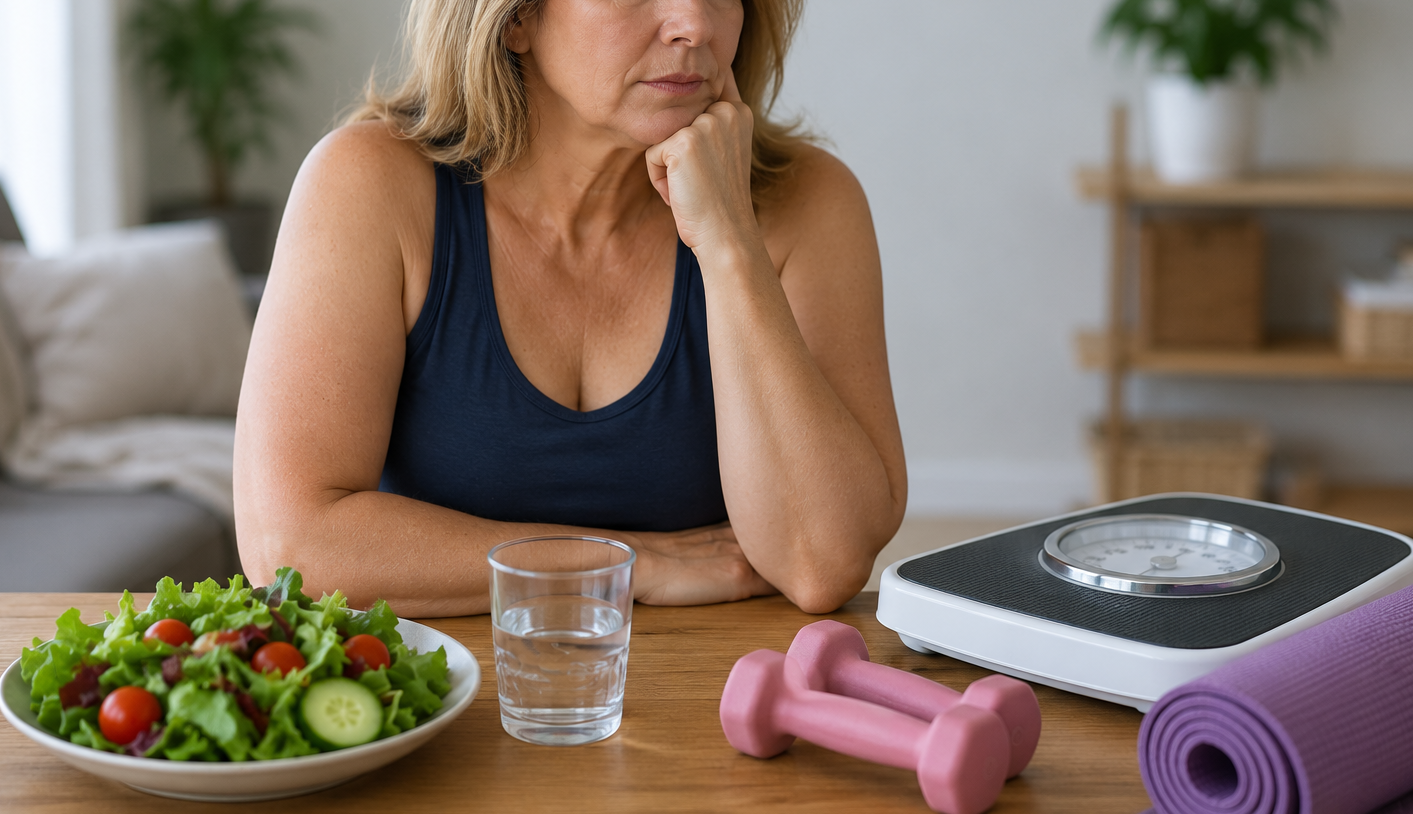
Perimenopause and weight loss go hand in hand for most women in their 40s who suddenly notice the scale creeping up without any real change in their routine. This phase, which can begin anywhere from the late 30s to the mid-40s, brings hormonal shifts that quietly reshape how the body stores fat, burns calories, and responds to food. At BodEvolve Bariatric, triple board-certified surgeon Dr. Clayton Frenzel and Dr. Brian Holt work with women every week who feel stuck, frustrated, and confused about why the old rules no longer apply. The good news is that with the right combination of medical guidance, lifestyle tweaks, and, when needed, surgical support, this stage of life can become a turning point rather than a setback.

Does Perimenopause Cause Weight Gain
Yes, and it happens more gradually than most women expect. Estrogen levels start to fluctuate, progesterone dips, and the body responds by holding onto fat, especially around the belly. Most women gain between 5 and 15 pounds during this transition without changing what they eat.
Shifts in Fat Storage
Fat that used to settle on the hips and thighs starts moving to the abdomen. This visceral fat is metabolically active and much harder to lose than the fat you carried in your 20s.
Slower Calorie Burn
Muscle mass drops by roughly 3 to 8 percent per decade after 40, and less muscle means fewer calories burned at rest, even on days you feel active.
Cravings and Appetite Changes
Lower serotonin levels can drive sugar and carb cravings, making portion control harder even when you know better and want to do better.
| Hormone | Change During Perimenopause | Impact on Weight |
| Estrogen | Fluctuates then declines | Belly fat storage increases |
| Progesterone | Steady decline | Bloating and water retention |
| Cortisol | Often rises | Stress-related weight gain |
| Insulin | Sensitivity drops | Blood sugar spikes and dips |
Why Does Perimenopause Cause Weight Gain
The reasons are layered. It is not a single hormone or one bad habit, it is a mix of biology, sleep, and stress all working against you at once. Once you understand the drivers, you can stop blaming willpower and start solving the actual problem.
Metabolic Slowdown
Basal metabolic rate drops as lean muscle quietly disappears. Read our guide on hormones and weight loss for the full picture behind this shift.
Poor Sleep Quality
Hot flashes and night sweats break sleep cycles, which raises hunger hormones the next day. Our sleep and weight gain in women covers this in detail.
Stress and Cortisol
Chronic stress keeps cortisol high, and cortisol signals the body to store belly fat. Managing this becomes non-negotiable during this stage of life.
Can Perimenopause Cause Weight Gain Around the Midsection
Yes, and this is often the most stubborn part of the process. The shift from a pear-shaped body to an apple-shaped body is one of the clearest signs of hormonal weight redistribution.
Visceral Fat Risks
This deep belly fat wraps around organs and raises the risk of type 2 diabetes, heart disease, and fatty liver, which is why it matters far beyond how clothes fit.
Bloating Versus Real Fat Gain
Not all belly changes are fat. Progesterone dips cause water retention and slower digestion, which can add visible inches without actually adding pounds.
When to Seek Medical Help
If waist circumference passes 35 inches, or BMI crosses 30, a consultation with our team at BodEvolve Bariatric is a smart next step before things get harder to reverse.
| Symptom | Likely Cause | What Actually Helps |
| Belly fat gain | Estrogen decline | Strength training, more protein |
| Bloating | Progesterone drop | Magnesium, hydration |
| Fatigue | Poor sleep quality | Sleep hygiene, cortisol control |
| Sugar cravings | Serotonin shifts | Balanced meals, more fiber |
Weight Loss During Perimenopause: What Actually Works
Weight loss during perimenopause requires a different playbook than what worked in your 20s or 30s. Perimenopause and weight loss strategies from a decade ago often backfire now, and cutting calories alone tends to drive more muscle loss instead of fat loss.
Protein First
Aim for 25 to 30 grams of protein at every meal to protect muscle and control hunger. Our protein intake for women over 40 guide breaks this down with real meal ideas.
Strength Training
Two to three sessions per week rebuild muscle and give your metabolism a boost. Cardio alone is not enough during this phase, no matter how many miles you log.
Smart Carb Timing
Save most carbs for the meal after your workout when insulin sensitivity is at its highest, and lean on vegetables and fiber the rest of the day.
Consider Medical Support
For women with a BMI over 35 or serious health conditions, procedures like Gastric Sleeve, Gastric Bypass, Duodenal Switch, SADI-S, Gastric Balloon, or Revision Surgery may be the reset your body needs to move forward.
How to Stop Perimenopause Weight Gain
Prevention is easier than reversal, but both are possible. The trick is starting early and staying consistent, even when results feel slow and the mirror does not match the effort.
Track Body Composition, Not Just Weight
Scales miss muscle gain and daily water shifts. Use waist measurements or a DEXA scan when possible for a truer picture of progress.
Prioritize Sleep
Seven to nine hours a night keeps hunger hormones in check and lowers next-day cravings in a real way.
Manage Stress Actively
Yoga, walking, and breathwork all lower cortisol. Read our stress eating and weight loss post for simple ideas that fit into a busy week.
Limit Alcohol
Even a few drinks a week slow fat burning and worsen sleep quality during perimenopause, which is a combination worth cutting back on.
| Strategy | Weekly Goal | Expected Benefit |
| Strength training | 2 to 3 sessions | Muscle preservation |
| Protein intake | 100 to 120g daily | Appetite control |
| Sleep | 7 to 9 hours nightly | Hormone balance |
| Stress management | Daily practice | Lower cortisol levels |
Weight Loss Perimenopause Support at BodEvolve
Weight loss perimenopause challenges do not have to be handled alone, and the earlier a plan is put in place, the smoother the whole transition becomes. Every woman who walks through our doors gets a personalized evaluation from Dr. Clayton Frenzel and Dr. Brian Holt, both of whom have decades of combined experience helping patients navigate hormonal weight changes with a thoughtful mix of nutrition guidance, medical care, and, when appropriate, surgical solutions. Our approach focuses on the whole person, not just the number on the scale, because sustainable results come from a plan that fits your body, your history, and your goals. Perimenopause and weight loss can absolutely coexist when the approach is built around your biology, not against it, and BodEvolve Bariatric has spent years refining the kind of care that meets women exactly where they are. If you are ready to take that first step, our team welcomes patients at our Arlington, Richardson, Dallas, or Texarkana locations.
