
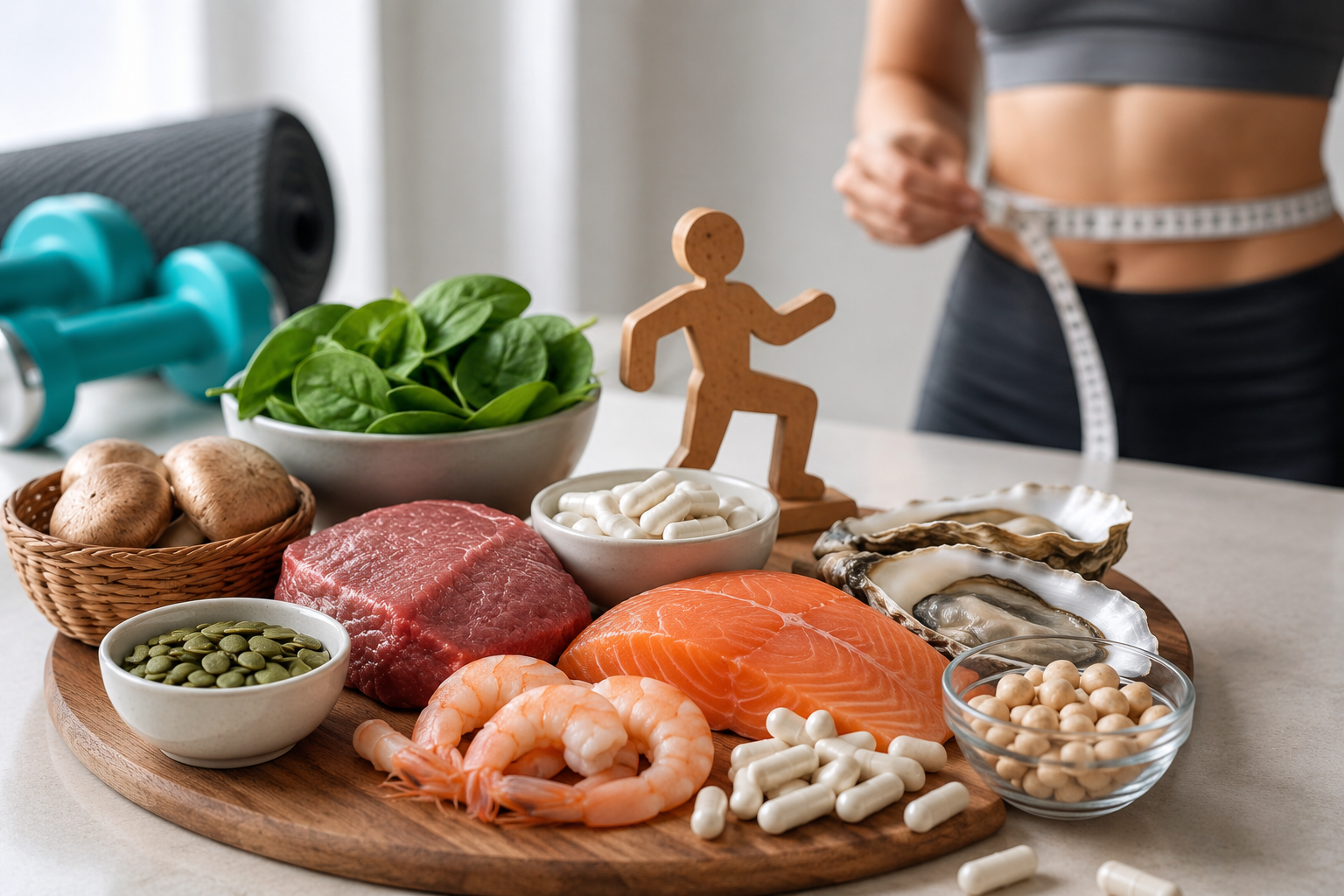
Zinc and weight loss are connected in more ways than most people expect from a single trace mineral. This nutrient helps regulate the hormones that control appetite, the enzymes behind your metabolism, and the immune responses your body relies on during recovery. At BodEvolve Bariatric, our team sees firsthand how a small gap like low zinc can quietly slow a patient’s progress. Whether you are managing your weight through lifestyle changes, considering surgery, or already recovering from one, understanding zinc’s role can help you get steadier, more consistent results.
Zinc Supplement and Weight Loss
Patients often ask whether a zinc supplement and weight loss actually go together, or if it’s just another trend on the shelf. The honest answer is that zinc can support weight management, but only as part of a bigger picture that includes food quality, activity, and sometimes medical or surgical care. Zinc isn’t a fat burner the way products like thermogenic fat burners are marketed. It works quietly, behind the scenes, keeping the systems that control hunger and energy use running well.
How Zinc Supplements Affect Appetite and Cravings
Zinc plays a direct role in how your brain senses hunger and fullness. Research has linked zinc status to leptin, the hormone that signals when you’ve had enough to eat. When zinc drops, that signal weakens, which may explain the inconsistent cravings some people report. Correcting a zinc shortfall can make portion control, and the rest of your plan, easier to stick to.
Zinc Supplements and Metabolic Rate
Zinc is involved in hundreds of enzyme reactions, including several tied to thyroid function and resting energy use. Chronically low zinc has been linked to sluggish energy and slower scale progress in clinical studies. This is why zinc supplement and weight loss questions often come up alongside other patient favorites like inositol for weight loss and glucomannan for weight loss, even though each works through a different pathway.
How Zinc Supports Weight Loss
| Body Function | Role of Zinc |
| Appetite regulation | Supports leptin signaling for accurate hunger cues |
| Metabolic rate | Activates enzymes tied to energy production and thyroid function |
| Insulin sensitivity | Helps regulate blood sugar response and fat storage |
| Inflammation and recovery | Offers antioxidant support against weight-related inflammation |
Zinc for Weight Loss: How Much You Actually Need
Once patients understand why zinc for weight loss matters, the connection between zinc and weight loss becomes less about trend and more about correcting a real nutritional gap. The next question is almost always dosage, and that depends on your age, sex, diet, and whether a procedure has changed how you absorb nutrients.
Standard Daily Recommendations
For healthy adults without bariatric surgery, the National Institutes of Health sets the recommended amount at 11 milligrams daily for men and 8 milligrams for women, with somewhat more for pregnant and breastfeeding women. These figures assume typical digestion, which is why they’re usually adjusted for surgical patients.
Why More Is Not Always Better
It’s tempting to think more zinc means better results, but that isn’t how this mineral works. Too much zinc without guidance can interfere with copper absorption and cause nausea or digestive upset. This is why the BodEvolve team builds zinc into a broader supplement plan rather than leaving patients to guess.
Daily Zinc Recommendations (General Population)
| Life Stage | Recommended Daily Zinc |
| Adult men (19+) | 11 mg |
| Adult women (19+) | 8 mg |
| Pregnant women | 11 mg |
| Breastfeeding women | 12 mg |
| Teens (14 to 18) | 9 to 11 mg |
Does Zinc Help Lose Weight? What the Research Actually Shows
Does zinc help lose weight on its own, with no other changes? Probably not dramatically, and it wouldn’t be honest to say otherwise. But several clinical trials found that zinc supplementation, paired with modest calorie reduction, led to measurable improvements in weight, BMI, and waist circumference versus placebo. Blood zinc levels also tend to rise as people lose weight, especially in those who started out deficient.
What the Studies Found
In more than one placebo-controlled trial, adults taking zinc alongside modest calorie reduction saw greater improvements in weight and inflammatory markers than diet alone. Other research links healthy zinc levels to better insulin sensitivity, which matters since insulin resistance is one of the more stubborn obstacles our patients face, closely tied to what we cover in our guide on metabolic syndrome and weight loss.
Food First, Supplements Second
Before reaching for a bottle, look at your plate first. Whole foods naturally rich in zinc, much like patients ask us about broccoli for weight loss or the best protein bars for weight loss, deliver the mineral alongside protein, fiber, and other nutrients that support your goals at the same time.
Zinc-Rich Food Sources
| Food | Approximate Zinc per Serving |
| Oysters (3 oz, cooked) | Highest of any common food |
| Beef or lamb (3 oz) | 4 to 7 mg |
| Chicken or turkey (3 oz) | 2 to 3 mg |
| Pumpkin seeds (1 oz) | About 2 mg |
| Chickpeas or lentils (1 cup) | 2 to 3 mg |
| Yogurt or cheese (1 cup or 1 oz) | 1 to 2 mg |
Zinc Weight Loss Support After Bariatric Surgery
For patients who have had or are considering bariatric surgery, the link between zinc and weight loss matters even more, since zinc weight loss support depends heavily on which procedure you choose. Surgery changes the digestive tract in ways that affect how well your body absorbs this mineral.
Why Bariatric Surgery Increases Zinc Needs
Zinc is mainly absorbed in the duodenum and upper small intestine. Procedures that reroute this section reduce absorption more than a sleeve does, since a sleeve leaves the intestine untouched. Smaller portions after any procedure also lower overall zinc intake. Research shows a meaningful share of post-surgical patients develop low zinc within the first year, with the highest rates after the more malabsorptive procedures.
Zinc Needs by Procedure
The BodEvolve team doesn’t use a one-size-fits-all approach. Patients choosing gastric sleeve surgery typically need standard zinc replacement, while those choosing gastric bypass surgery, duodenal switch surgery, or SADI-S surgery are monitored more closely and often need a higher, balanced dose. Patients recovering from revision weight loss surgery or working through our medical weight management program get the same individualized attention, since needs can shift after a second procedure or a real change in eating patterns.
Zinc Considerations by Procedure
| Procedure | Zinc Absorption Impact |
| Gastric Sleeve | Lower impact, though intake still drops with smaller portions |
| Gastric Bypass | Moderate to higher impact from bypassing part of the small intestine |
| Duodenal Switch | Among the highest impact, given more extensive rerouting |
| SADI-S | Similar to duodenal switch, requiring close monitoring |
| Revision Weight Loss Surgery | Varies by original and revised procedure |
| Medical Weight Management | Lower surgical impact, though food-based intake is still worth tracking |
Working with Dr. Frenzel and Your BodEvolve Care Team
Dr. Clayton Frenzel, a triple board-certified bariatric and cosmetic surgeon, and the BodEvolve surgical team build nutrient monitoring, including zinc, into every stage of care, from your first consultation through years of follow-up. Rather than leaving patients to guess, the team reviews lab work regularly and adjusts recommendations as your body changes. This ongoing, personalized attention is a big part of why BodEvolve has supported more than 14,000 successful procedures with consistently high patient satisfaction.
Zinc and Weight Loss: Your Next Step with BodEvolve
Zinc and weight loss come together most powerfully as part of a complete, personalized plan, not a single supplement picked up on your own. If you’ve been dealing with plateaus, cravings, or slower than expected progress, a conversation with the BodEvolve team about your nutrient levels, including zinc, could be a meaningful next step. We are board certified surgeons and healthcare providers offering services to the people in North Texas with clinics in Arlington, Richardson, Dallas, or Texarkana. Regardless of where you are on your road to better health, BodEvolve is prepared to assist you in creating a treatment plan that will work with your body.
