
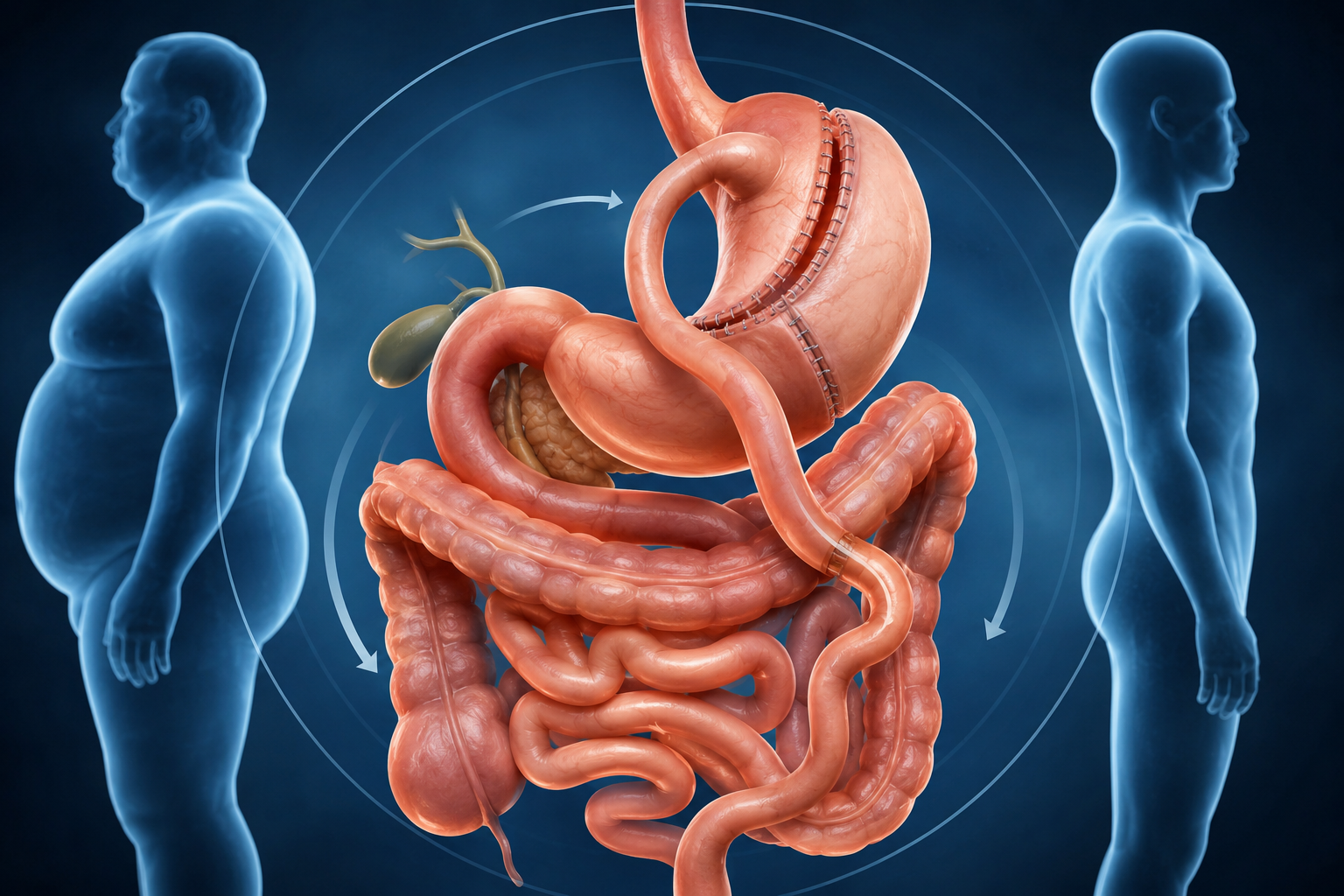
If you’ve spent any time researching weight-loss procedures, you’ve probably run into a term that sounds more clinical than “weight-loss surgery” metabolic surgery. It’s not just a fancier name for the same old operation. Metabolic surgery describes a group of procedures designed to reset how your body regulates blood sugar, hormones, and fat storage, not just to shrink your stomach. For people living with obesity, type 2 diabetes, or a cluster of conditions doctors call metabolic syndrome, that distinction matters a lot. At Bodevolve Bariatric, our team led by Dr. Frenzel sees this shift in thinking play out in real patients every week, and this guide walks through exactly what it means for you.
What Is Metabolic Surgery?
Metabolic surgery refers to operations that change the anatomy of your digestive tract in ways that go beyond simple portion control. Yes, these procedures reduce the size of your stomach or reroute part of your intestine, but the bigger story happens at the hormonal level. Cutting and rerouting the gut changes the signals your body sends about hunger, insulin sensitivity, and how efficiently you process sugar and fat.
That’s why the American Society for Metabolic and Bariatric Surgery gradually shifted its own language over the past couple of decades, dropping “bariatric” in favor of “metabolic” for a lot of its messaging. The surgery was originally built to treat obesity by limiting how much a person could eat. Doctors then noticed something they weren’t expecting: patients with type 2 diabetes were seeing their blood sugar normalize within days of surgery, often before any real weight loss had even happened. That observation is what turned a weight-loss procedure into a metabolic one.
Metabolic Surgery vs Bariatric Surgery: Is There Really a Difference?
Here’s where a lot of patients get confused, and honestly, the confusion is fair. In most clinical settings today, metabolic surgery and bariatric surgery describe the same set of physical procedures. The difference is in the reason the surgery is recommended and how success is measured.
Bariatric surgery, as a term, leans toward weight loss as the primary goal pounds lost, BMI reduced. Metabolic surgery puts the focus on disease resolution: is your A1C improving, is your blood pressure coming down, has your sleep apnea gotten better, are your triglycerides normal again. A patient with a BMI of 32 and poorly controlled diabetes might not qualify for “bariatric” surgery under older BMI-based criteria, but could be a strong candidate for metabolic surgery because of what’s happening with their blood sugar. So while the operating room looks the same either way, the label tells you what outcome your surgical team is really chasing.
Types of Metabolic Surgery
Not every metabolic procedure works the same way, and choosing the right one depends on your health history, your goals, and what your surgeon sees in your evaluation. The two most common options performed today are:
Gastric bypass This procedure creates a small pouch from the top of the stomach and connects it directly to a lower section of the small intestine, bypassing most of the stomach and the first part of the intestine. Because food skips a large section of the digestive tract, gastric bypass tends to produce some of the fastest and most pronounced improvements in blood sugar control, which is part of why it’s so often discussed in the context of diabetes remission.
Gastric sleeve Also known as sleeve gastrectomy, this surgery removes roughly 75-80% of the stomach, leaving a narrow, banana-shaped “sleeve.” It’s a somewhat simpler procedure than bypass, with a shorter recovery for many patients, and it still delivers strong metabolic benefits because removing that portion of the stomach also removes much of the tissue that produces ghrelin, the hormone that drives hunger.
Beyond these two, some patients are candidates for biliopancreatic diversion with duodenal switch or revisional procedures, which your surgical team will discuss if your case calls for something more specialized.
How Is Metabolic Surgery Done?
The process starts well before you ever reach the operating table. Most surgical teams will run a full pre-operative workup, which typically includes a basic metabolic panel before surgery to check your kidney function, electrolytes, and blood sugar levels, along with cardiac clearance, nutritional counseling, and psychological evaluation. This isn’t paperwork for the sake of paperwork it’s how your team makes sure your body is ready to handle the procedure and recover well.
On the day of surgery, both gastric bypass and gastric sleeve are typically performed laparoscopically, meaning through a handful of small incisions rather than one large cut. That translates into less scarring, less pain, and a faster return to normal activity for most patients. The surgery itself usually takes one to two hours, and many patients go home within one to two days.
Metabolic Surgery for Type 2 Diabetes
This is where metabolic surgery earns its name. Research tracking patients over multiple years has found that a meaningful share of people with type 2 diabetes achieve full or partial remission after surgery meaning normal blood sugar without needing diabetes medication with gastric bypass generally producing somewhat higher remission rates than sleeve gastrectomy in most studies. Even when remission isn’t complete, most patients see their medication needs drop substantially, and many are able to come off insulin entirely within the first year.
What’s striking is how quickly some of this happens. Patients often notice their fasting blood sugar improving within days of surgery, long before significant weight has come off. That’s the hormonal piece at work rerouting the gut changes the release of hormones like GLP-1 and PYY, which directly affect insulin sensitivity. It’s one of the clearest pieces of evidence that metabolic surgery isn’t just “eating less,” it’s genuinely rewiring how the body handles sugar.
Metabolic Surgery for Weight Loss
Weight loss is still a major part of the picture, even if it’s no longer the whole story. Most patients lose somewhere between half and two-thirds of their excess body weight within the first one to two years after surgery, with gastric bypass and sleeve gastrectomy producing broadly comparable long-term results for many patients. That weight loss tends to happen fastest in the first six months, then gradually levels off as your new stomach capacity and hormone levels settle into a new normal.
It’s worth being honest here: metabolic surgery is a powerful tool, not a shortcut. The procedures work best when paired with the nutrition and lifestyle changes your care team walks you through afterward protein-focused eating, consistent movement, and regular follow-up visits to catch any nutritional gaps early.
Surgery for Metabolic Syndrome
Metabolic syndrome is the cluster diagnosis doctors use when a patient has several risk factors at once excess abdominal fat, high blood pressure, elevated blood sugar, and abnormal cholesterol or triglyceride levels. Individually, each of these raises your risk of heart disease and stroke. Together, they compound that risk significantly.
Because metabolic surgery affects so many of these systems simultaneously, it’s increasingly used as a treatment strategy for the syndrome as a whole rather than for any single symptom. Patients frequently see blood pressure normalize, cholesterol panels improve, and inflammatory markers drop, often within the first year. For someone who has tried diet and medication changes without lasting success, surgery for metabolic syndrome can address root causes that pills alone often can’t touch.
What Happens to Your Metabolism After Surgery?
A common question we hear is whether metabolic surgery increases metabolism, and the honest answer is nuanced. Your resting metabolic rate the calories your body burns at rest typically drops somewhat after surgery, largely because you’re carrying less body mass overall. But your metabolic health, meaning how efficiently your body processes sugar, fat, and hormones, generally improves dramatically.
Understanding metabolism changes after bariatric surgery means separating these two ideas. You may burn somewhat fewer raw calories per day simply because you weigh less, but your insulin sensitivity, hormone regulation, and inflammatory markers tend to move in a much healthier direction. That’s the real metabolic response to surgery clinicians are most focused on, and it’s why lab work and follow-up appointments remain such an important part of your care long after the incisions have healed.
Long-Term Outcomes of Metabolic and Bariatric Surgery in Adults
The data on long-term outcomes of metabolic and bariatric surgery in adults is genuinely encouraging. Multi-year follow-up studies, some tracking patients for a decade or more, consistently show sustained weight loss, durable improvements in diabetes control, and meaningfully lower rates of heart disease, certain cancers, and early mortality compared to patients who manage obesity and diabetes through non-surgical means alone.
That said, “durable” doesn’t mean “automatic.” Some patients experience partial weight regain or a return of blood sugar issues years down the line, particularly if follow-up care and lifestyle habits fall off. This is exactly why reputable metabolic surgery programs build in years of nutritional support, lab monitoring, and check-ins rather than treating the surgery date as the finish line.
Metabolic Surgery Cost and Insurance Coverage
Cost is one of the first questions almost every patient asks, and it’s a fair one these procedures represent a real financial decision, not just a medical one. Pricing varies depending on the specific procedure, your surgical team, your facility, and your individual health needs, so a personalized consultation is really the only way to get an accurate number for your situation.
The good news is that a growing number of insurance plans now cover metabolic and bariatric surgery when specific medical criteria are met, particularly for patients with diabetes or other significant obesity-related health conditions. Navigating that approval process, however, can be genuinely confusing, especially if you’re pursuing a revision procedure. If you want a clear walkthrough of the process, our guide on how to get insurance to cover revision bariatric surgery breaks down the documentation, appeals process, and common denial reasons in plain language.
Finding the Right Metabolic Surgery Center Near You
Choosing where you have this surgery done matters just as much as choosing whether to have it. A strong metabolic surgery center should offer more than just a skilled surgeon on the day of your procedure you want a program built around long-term support, dietitians who understand post-surgical nutrition, and a team that treats follow-up care as seriously as the operation itself.
Bodevolve Bariatric offers metabolic surgery services across several Texas communities, so patients can get high-quality care closer to home:
Each location offers the same standard of surgical and nutritional care, so you can choose whichever clinic fits your daily life best.
Is Metabolic Surgery Right for You?
If you’re dealing with obesity alongside type 2 diabetes, high blood pressure, or other markers of metabolic syndrome, and diet and medication haven’t gotten you the results you need, metabolic surgery may be worth a serious conversation with a specialist. It isn’t the right fit for everyone, and a good surgical team will tell you that honestly rather than push you toward the operating room.
The best next step is simply talking it through with someone who can look at your full health picture. Dr. Frenzel and the Bodevolve Bariatric team walk every patient through their options, their risks, and what recovery actually looks like day to day no pressure, just clear information so you can make the decision that’s right for your body and your life.
