
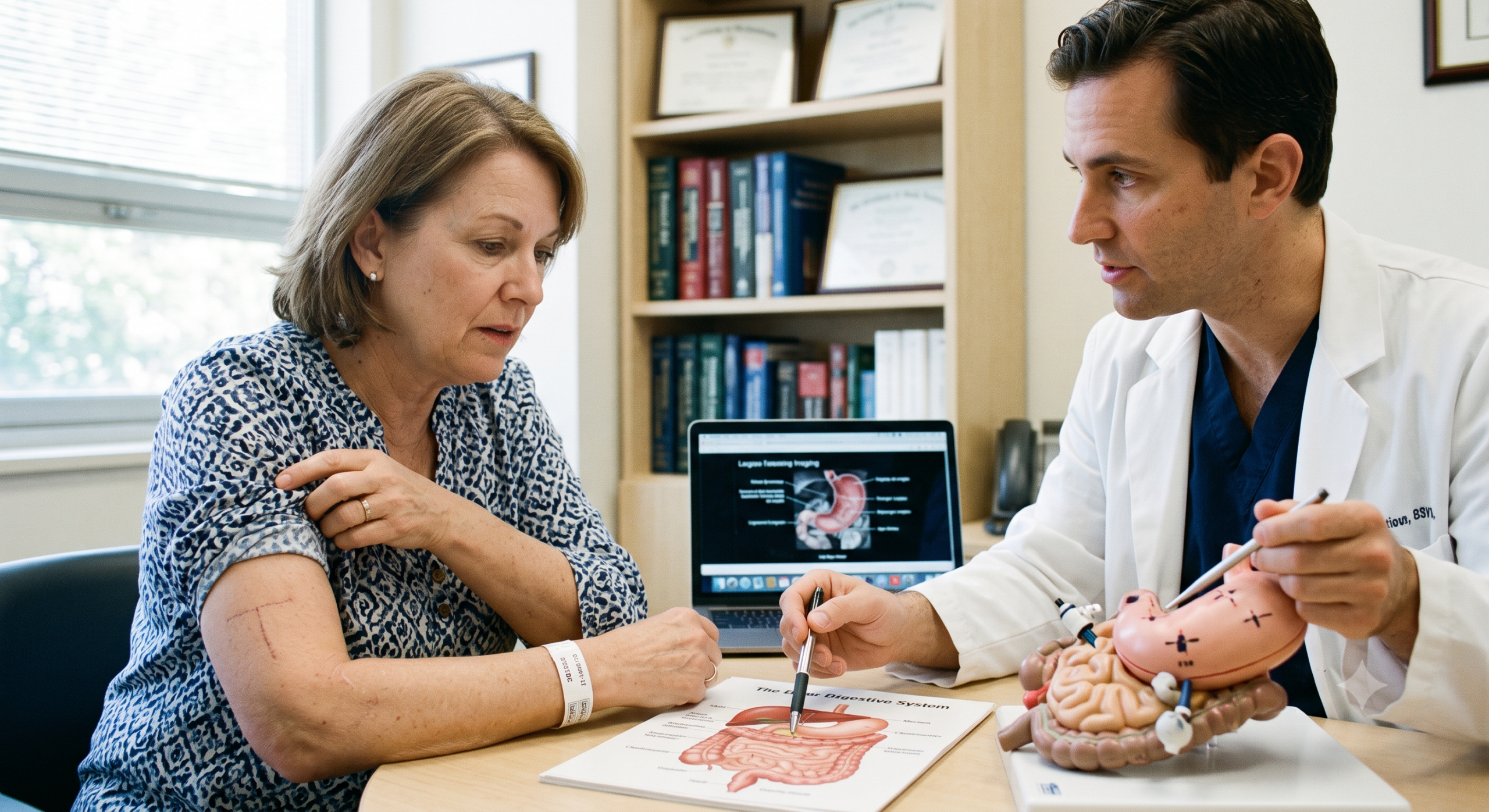
Losing weight through bariatric surgery changes your life. But for some patients, the results do not last, or new complications show up years later. When that happens, the question that keeps coming up is whether a second procedure is the right move. Weight loss surgery after weight loss surgery, also called revision bariatric surgery, is far more common than most people realize. Whether you had a gastric band that failed, a sleeve that stretched, or a bypass that no longer works the way it used to, a second surgery can help you get your health back on track.
At BodEvolve Bariatric, we see patients every week who thought they had one shot at this journey. The truth is, medicine has moved forward. Revision options today are safer, better matched to your anatomy, and often covered by insurance when performed for the right reasons. This guide walks you through what a second bariatric procedure actually looks like, who qualifies, and what to expect from your first consultation with dr Frenzel through full recovery.
Why Do People Need a Second Weight Loss Procedure?
The reasons vary from person to person. Some patients experience weight regain because the stomach pouch or sleeve has stretched over time. Others develop severe acid reflux after a sleeve gastrectomy that will not respond to medication. A smaller group face mechanical issues like a slipped band, a fistula, or a hernia at the surgical site. And then there are patients whose original surgery simply did not produce enough weight loss to reverse conditions like type 2 diabetes, sleep apnea, or high blood pressure.
If any of this sounds familiar, you are not alone. National data suggests that up to 20 percent of bariatric patients consider a revision within ten years of their first procedure. It does not mean you failed. It means your body changed, and your treatment plan needs to change with it.
Weight Loss Surgery Before and After: What the Real Journey Looks Like
Every patient wants to know what life will look like six months, a year, or five years down the road. The honest answer is that the physical transformation is only part of the story. Yes, you will see the scale drop. Most revision patients lose between 40 and 70 percent of their excess weight within 18 months, though the exact number depends on which revision you have and how consistent you are with follow-up care.
But the changes patients talk about most are the ones that do not show up in photos. Better sleep. Less joint pain. Blood sugar readings that finally sit in a healthy range. Being able to play with your kids without needing a break every few minutes. These are the wins that make the effort worthwhile, and they usually start showing up long before you hit your goal weight.
Loose Skin After Weight Loss Surgery: What to Expect
One question we get on almost every consultation is about excess skin. When you lose a large amount of weight, the skin does not always bounce back, especially after a certain age or if the weight loss happens quickly. This is a normal part of the process, not a sign that something has gone wrong.
Some patients find that consistent strength training, staying well hydrated, and eating enough protein help the skin tighten to a degree. Collagen supplements and topical treatments get talked about a lot online, but the evidence behind them is thin. For most people who have lost 100 pounds or more, some amount of loose skin around the abdomen, upper arms, thighs, or chest is likely to stay.
If the extra skin causes rashes, infections, or physical discomfort, insurance may cover removal. Otherwise, it falls under cosmetic procedures. We cover the surgical options for that in the plastic surgery section further down.
Diet After Weight Loss Surgery: Building Habits That Actually Stick
After a revision procedure, your relationship with food resets again. The first two weeks are typically clear liquids, then thicker liquids and pureed foods, then soft foods, and finally a regular texture diet by around week six. This is not that different from what you did the first time around, but the emotional side often hits harder the second time because you know how much work is coming.
The rules that matter most are simple. Protein first, at every meal. Drink water between meals, not with them. Chew until the food is almost liquid. Avoid grazing throughout the day. Track your vitamins because deficiencies in B12, iron, and vitamin D are the most common reason revision patients feel exhausted six months in.
The patients who do best are the ones who plan their meals for the week on Sunday and keep quick protein options in the fridge for days when life gets in the way. For a full breakdown of exactly what to eat in each recovery phase, see our [BLOG PICK 1 – e.g., “Post-Bariatric Diet Stages Guide”] guide.
Recovery After Weight Loss Surgery: The First Six Weeks
Recovery from a revision is slightly longer than a first-time procedure because there is scar tissue from the original surgery. Most patients spend one to two nights in the hospital and are back to desk work within two to three weeks. Anything involving heavy lifting or physical labor should wait until week six.
Pain in the first few days is real but manageable. Walking as soon as possible after surgery, even short laps around the room, reduces the risk of blood clots and helps your bowel function come back faster. Sleep on your back or side, not your stomach. Keep a small pillow to press against your incisions when you cough or laugh in the first two weeks.
Emotionally, the first month can be rough. Hormone shifts, a restricted diet, and the physical exhaustion of healing all pile on at once. It is normal to feel low, and it usually passes as your body adjusts. If it does not, talk to someone. Depression after bariatric surgery is well documented and treatable.
Types of Revision Weight Loss Surgery Options
Not every revision looks the same. The right procedure depends on what you had done originally, why the first surgery is no longer working, and your current health.
The most common conversions we perform involve turning a stretched sleeve into a gastric bypass, especially when severe acid reflux is the main issue. Bypass tends to resolve reflux while restoring restriction and adding a malabsorptive component for stronger long-term results.
For patients who originally had a lap band, removal followed by conversion to a gastric sleeve or bypass is often the answer. Band-related complications like slippage, erosion, and pouch dilation are usually solved by moving to a more modern procedure.
There are also patients who need a second sleeve, a duodenal switch, or a SADI-S procedure depending on how much additional weight loss they need. The consultation is where the details get worked out, and it is impossible to know the right answer from the outside.
Plastic Surgery After Weight Loss Surgery: Body Contouring Options
Once your weight has been stable for six months to a year, plastic surgery becomes a real option for reshaping the areas most affected by loose skin. Common procedures include tummy tuck, arm lift, thigh lift, and breast lift. Some patients combine several of these into a lower body lift for efficiency.
Timing matters more than most people expect. Going in too early means you may keep losing weight and end up needing revisions to the plastic surgery itself. Waiting until your weight has been steady gives you the best long-term result. Recovery is significant. A tummy tuck alone requires four to six weeks off from most physical activity.
Insurance sometimes covers panniculectomy, which is removal of the hanging apron of skin below the belly button, when it causes documented medical issues like chronic rashes or back pain. Full body contouring for aesthetic reasons is usually out of pocket. Prices vary widely by market, and it is worth getting several consultations before committing.
Hair Loss, Acid Reflux, and Other Changes to Watch For
A few side effects come up often enough that they deserve their own mention. Hair thinning around months three through six is common and almost always temporary. It usually ties back to protein intake and iron levels, so focus on those, and the hair grows back on its own.
Acid reflux is the other big one. If it started after a sleeve, revision to a bypass is often the definitive fix. Do not just live on daily medication if the reflux is affecting your sleep or quality of life. It is worth a conversation. Our [BLOG PICK 2 – e.g., “Managing Reflux After Bariatric Surgery”] post goes deeper into what causes it and how to know when surgery is the right next step.
How to Get Insurance to Cover Revision Bariatric Surgery
This is the question that keeps most patients up at night. Revision procedures are covered by most major insurance plans in Texas, but the approval process is stricter than a first-time surgery. Insurers want to see documentation that the original procedure has failed for medical reasons, not lifestyle reasons.
That usually means recent labs, evidence of regained weight over time, documentation of complications like severe reflux or ulcers, and a psychological evaluation clearing you for a second surgery. Some plans also require a supervised diet program before approving the revision.
The paperwork is where a lot of patients get stuck. Our team handles most of it for you, but the process still takes anywhere from a few weeks to a few months. If you want to understand exactly what your plan requires, our full guide on how to get insurance to cover revision bariatric surgery walks through the codes, letters of medical necessity, and appeal steps in detail.
Ready to Talk Through Your Options?
If you have been living with regain, reflux, or complications from an earlier weight loss surgery, a revision consultation is worth the visit. Every plan is built around your history, your current health, and what you want your life to look like a year from now.
BodEvolve Bariatric serves patients across North and East Texas, with clinic locations in Arlington, Richardson, Dallas, and Texarkana. Book a consultation to sit down with our team and get a clear picture of what your next step can look like.
