
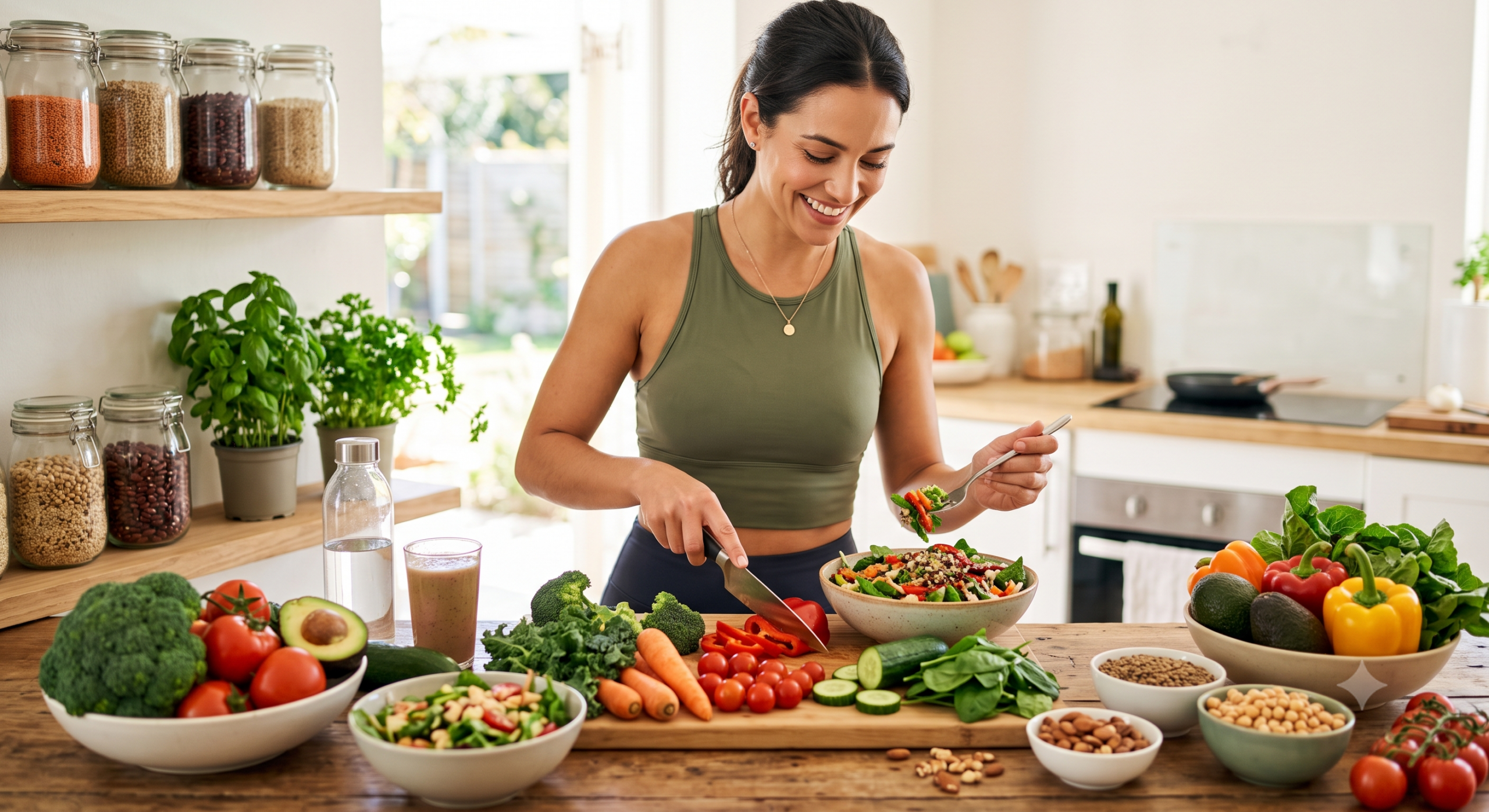
Most people who try a vegetable based diet weight loss approach quit within three weeks. Not because it doesn’t work, but because nobody told them how to actually build a plate that keeps you full, protects your muscle, and doesn’t leave you starving by 4 p.m. At BodEvolve Bariatric, we’ve had patients walk in after months of eating “salads for lunch every day” wondering why the scale barely moved. The answer is almost always the same. They were eating vegetables, but not in a way their body could use for real fat loss. This guide fixes that. It’s written from the perspective of a bariatric practice that has seen thousands of patients try this exact approach, so you’ll get the parts other articles skip. What to actually put on your plate, how much, when it starts to fail, and when it’s a signal your body needs more than food changes.

Why a Vegetable Based Diet for Weight Loss Actually Works
A vegetable based diet for weight loss works because of three biological mechanisms working at the same time, and understanding them helps you stop white-knuckling your way through it.
First, vegetables are calorie-dilute. You can eat a huge bowl of roasted cauliflower, spinach, peppers, and mushrooms for under 250 calories. Your stomach stretches, your fullness hormones fire, and your brain registers a full meal. That single mechanism is why patients naturally eat less without counting a thing.
Second, fiber. Most Americans get 12 to 15 grams a day. Vegetables let you comfortably hit 30 to 40 grams, which slows digestion, feeds gut bacteria that regulate appetite, and blunts insulin spikes. This is exactly the same insulin-sensitivity pathway we discuss in our natural supplements for weight loss guide, one of the most-read posts on the BodEvolve blog. Diet does it more powerfully than any pill.
Third, the volume you eat retrains your relationship with fullness. Post-bariatric patients understand this better than anyone. After a gastric sleeve or gastric bypass, your pouch teaches you what real fullness feels like. A vegetable-heavy plate teaches your brain the same lesson without surgery, though the effect is slower and requires more discipline.
Best Vegetables to Eat for Weight Loss (Ranked by Bariatric Value)
Here’s where most articles fail you. They list twenty vegetables and call it done. We’ll rank them by what actually matters for fat loss: fiber-to-calorie ratio, protein content, and how well they pair with lean protein.
- Tier 1 (eat these daily): Spinach, kale, arugula, broccoli, cauliflower, Brussels sprouts, cabbage, bok choy, asparagus. These leafy greens and cruciferous vegetables are the workhorses of any serious plan. Under 40 calories per cup cooked. Loaded with fiber, magnesium, and sulforaphane compounds that support liver detox.
- Tier 2 (eat 3 to 4 times a week): Bell peppers, zucchini, cucumber, celery, mushrooms, green beans, eggplant, tomatoes. Slightly higher water content, still very low-calorie vegetables, great for bulking up meals.
- Tier 3 (eat 1 to 2 times a week, small portions): Carrots, beets, sweet potato, butternut squash, corn, peas. Nutrient-dense but higher in carbs. Post-op patients especially should watch portions here.
- Tier 4 (limit or avoid during active fat loss): White potato, canned vegetables in sauce, vegetables cooked in heavy oils or breading. Not “bad”, just not helpful when you’re trying to lose weight.
Non-Starchy Vegetables Should Come First on Your Plate
Non-starchy vegetables should physically go on your plate before anything else, and this small mechanical habit changes results faster than most diet rules.
The reason is simple. When you fill half your plate with high-fiber vegetables first, then add protein, then add whatever starch or carb is left, you cap the calorie ceiling of the meal without even trying. You also automatically slow down eating, because chewing dense vegetables takes time. Bariatric patients are drilled on this, and non-op patients benefit from the exact same rule.
If you’ve never done it before, try this for one week. Half the plate is non-starchy vegetables. A quarter is lean protein. A quarter is a whole grain or starchy vegetable. That is the vegetable based weight loss plate, and it works whether you’re 30 pounds overweight or 130.
A Realistic Vegetable Diet Plan for Weight Loss
Here is a 7-day vegetable diet plan for weight loss that patients at BodEvolve actually use. It’s not extreme. It’s not zero-carb. It’s designed to be sustainable for months, not weeks.
- Breakfast options: Two eggs scrambled with spinach, mushrooms, and tomato. Or a vegetable-loaded protein smoothie with kale, cucumber, half a banana, and whey. Or Greek yogurt with grated carrot, cinnamon, and a small handful of berries.
- Lunch options: Big salad with mixed greens, cucumber, peppers, cherry tomatoes, grilled chicken, olive oil dressing. Or roasted vegetable bowl with broccoli, cauliflower, zucchini, and salmon. Or lentil soup with a side of steamed green beans.
- Dinner options: Baked white fish with a huge portion of roasted Brussels sprouts and cauliflower mash. Or lean ground turkey stir-fry with bok choy, peppers, and mushrooms. Or chicken breast with grilled asparagus and a small sweet potato.
- Snacks: Cucumber slices with hummus. Bell pepper strips with cottage cheese. Celery with a tablespoon of almond butter. Cherry tomatoes with a boiled egg.
- Hydration: Two to three liters of water daily. Herbal tea. Black coffee. That’s it. No juice, no diet sodas as habit crutches.
This is a genuine vegetable based weight loss meal plan you can rotate for months without hating your life. That’s the real test of any plan.
How a Vegetable Based Weight Loss Meal Plan Works After Bariatric Surgery
Post-op nutrition is where a vegetable based diet gets both more important and more complicated. Your pouch is small. Your protein needs are non-negotiable. And texture matters in ways it never did before surgery.
In the first two weeks after surgery, vegetables are not on the plate at all. Your team keeps you on the pre-op and immediate post-op liquid phase, which we cover in detail in our bariatric surgery liquid diet before surgery guide. Skipping ahead here causes real complications.
By week three to four, pureed and soft cooked vegetables enter the diet in tiny amounts. Think two tablespoons of pureed carrots or well-cooked zucchini. Protein still comes first, always.
By month two, soft vegetables like steamed spinach, roasted zucchini, and cooked cauliflower become regular. Portions stay tiny, usually a quarter cup per meal, but they add real nutrition.
By month four and beyond, most vegetables are back on the plate. The rule remains the same for life. Protein first, non-starchy vegetables second, small portions of everything else.
Common Mistakes People Make on a Plant-Based Diet for Weight Loss
The mistakes are almost identical whether patients are pre-op, post-op, or trying to avoid surgery entirely. Watch for these:
- Under-eating protein. A plant-based diet for weight loss is not a low-protein diet. Aim for 80 to 100 grams of protein daily, minimum. Add tofu, tempeh, Greek yogurt, cottage cheese, edamame, lentils, and lean poultry or fish depending on how strictly plant-based you’re going.
- Drowning vegetables in oil. A cup of broccoli is 55 calories. Fried in three tablespoons of oil, it’s 415. This single mistake ruins more diets than any other.
- Skipping strength training. Fat loss without resistance work means muscle loss. Your metabolism drops. You plateau. Even light resistance training three times a week fixes this.
- Not eating enough total volume. People go too low too fast, get ravenous, and binge. A proper vegetable-heavy meal should genuinely fill you up. If you’re hungry two hours later, the meal was too small or too low in protein.
Believing “healthy vegetable recipes for weight loss” means calorie-free. Vegetable lasagna loaded with cheese is still 700 calories a serving. Read the whole recipe.
Pairing Vegetables with Protein for Faster Fat Loss
Vegetables alone will not build the body composition most people are actually chasing. The pairing rule is simple. Every meal needs a fist-sized portion of lean protein alongside the vegetables. Chicken, fish, turkey, eggs, Greek yogurt, cottage cheese, tofu, tempeh, or a plant-based protein powder in a smoothie all work.
Why this matters biologically. Protein triggers satiety hormones (peptide YY, GLP-1) more strongly than any other macronutrient. It preserves lean muscle during weight loss. And it has a higher thermic effect, meaning your body burns more calories digesting it. Vegetables give you the volume and fiber. Protein gives you the satiety and muscle protection. Together they are the entire foundation of every sustainable weight loss diet ever studied.
When Diet Alone Is Not Enough: The Bariatric Path Forward
Here is the honest part most diet articles never say. For patients with a BMI over 35, especially those dealing with type 2 diabetes, sleep apnea, or high blood pressure, food changes alone rarely produce durable weight loss. Metabolism is not a willpower problem, and it never has been.
If you’ve been consistently eating a vegetable-based diet, exercising, and still not seeing meaningful change after six to nine months, that is real information. It might be time for a bariatric consultation. At BodEvolve, dr Frenzel and his team run comprehensive evaluations that look at metabolic markers, hormone levels, and body composition, not just BMI on a chart. Patients often leave that first appointment with a clearer understanding of their body than they’ve had in decades.
For patients who’ve had a previous procedure and want to explore revision options, insurance coverage often becomes the first barrier. Our detailed guide on how to get insurance to cover revision bariatric surgery walks through documentation, medical necessity criteria, and appeals strategies that actually work.
Final Thoughts
A vegetable-based approach is one of the most powerful, evidence-backed nutrition strategies for weight loss. But for many patients, it works best as part of a broader medical plan that includes proper metabolic testing, supervised nutrition, and when appropriate, bariatric surgery. If you’re in the DFW or East Texas area and want to know whether food changes alone will work for your specific body, or whether a surgical or medical weight loss path makes more sense, the BodEvolve team offers consultations at our Arlington, Richardson, Dallas, and Texarkana locations. Bring your questions, your history, and your honest goals. That first conversation is where real progress starts.
