
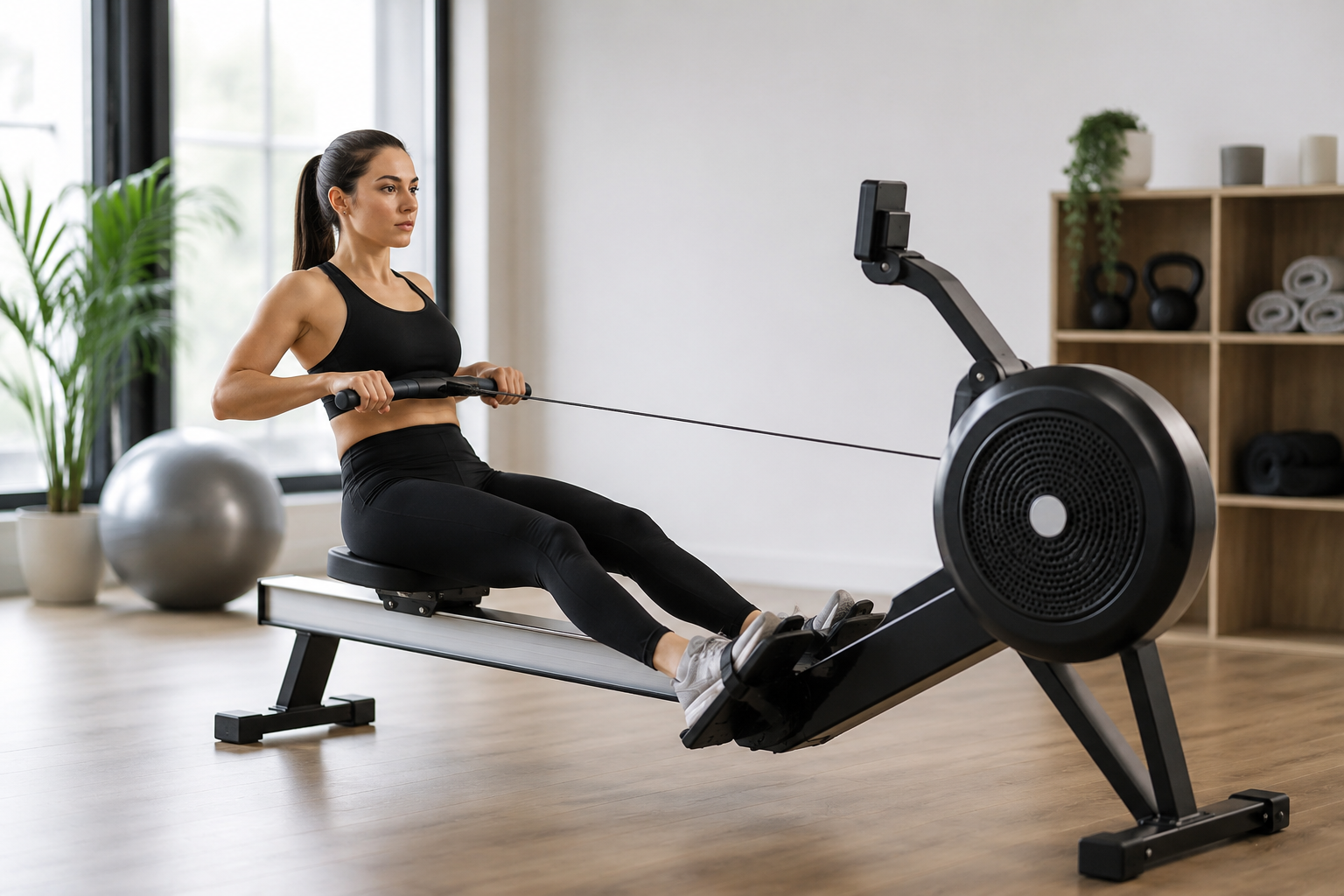
Rowing for weight loss is one of the few forms of exercise that checks nearly every box a patient recovering from bariatric surgery actually needs: low impact on the joints, full body engagement, and a calorie burn that holds up over time without punishing a healing body. For anyone who has gone through gastric sleeve, gastric bypass, SADI-S, or duodenal switch surgery, the question isn’t whether to move again. It’s how to move in a way that protects the incisions, respects the recovery timeline, and still builds real momentum toward long term results. That’s exactly where a rowing machine earns its place.
At BodEvolve Bariatric, Dr. Clayton Frenzel and Dr. Brian Holt see this question come up constantly during follow-up visits. Rowing tends to be the answer that satisfies both concerns at once.
Rowing for Weight Loss and Why It Fits So Well Into Bariatric Recovery
Once a patient is medically cleared, usually a few weeks after surgery depending on the procedure, rowing becomes one of the smarter cardio choices available. Unlike running or high impact classes, a rowing machine keeps both feet planted and lets the seat glide, which takes a significant amount of stress off the knees, hips, and lower back. That matters a great deal for someone who may still be carrying extra weight during the early months of their journey, since those joints are already doing extra work.
Rowing also engages the legs, core, back, and arms in a single fluid motion, which means a patient burns more calories per session than they would on a stationary bike at a similar effort level. For someone rebuilding strength after surgery, that kind of full body activation supports both the calorie deficit and the muscle preservation that surgeons like Dr. Frenzel emphasize during recovery planning, especially for patients who understand how bariatric surgery recovery time unfolds in stages.
A Few Pointers Before Starting
- Always get direct clearance from your surgical team before adding any structured cardio, and follow the specific guidance given for your procedure.
- Start seated and slow. The goal in the first few sessions is simply teaching your body the movement pattern again, not chasing a calorie number.
- Keep a water bottle nearby and sip slowly, since bariatric patients need to stay ahead of dehydration during any physical activity.
- Watch your posture closely. Rounding the back during the stroke is the most common rowing mistake and the fastest way to strain healing abdominal muscles.
Indoor Rowing for Weight Loss
Indoor rowing for weight loss has become popular for a simple reason: it’s controllable. A patient can set resistance, pace, and duration precisely, which removes a lot of the guesswork that comes with outdoor activity or gym classes built for a general population, not a post-surgical one. That control matters more than people expect in the first three to six months after gastric sleeve or gastric bypass, when energy levels fluctuate and portion sizes are still adjusting.
Indoor rowing machines also let patients track progress in a way that feels motivating rather than discouraging. Distance, stroke rate, and calories burned are all visible in real time, giving people something concrete to hold onto during a season when the scale isn’t always moving as fast as they’d like. Many BodEvolve patients pair short rowing sessions with the nutrition habits outlined in how to lose weight after bariatric surgery, and the combination produces steadier, more sustainable results than either approach on its own.
Lose Weight With Rowing Machine Sessions Built Around Your Recovery Stage
The idea that you can lose weight with rowing machine workouts isn’t just theory. It comes down to consistency and matching intensity to where you actually are in your recovery. A patient six weeks post-op from a duodenal switch procedure should not be training the same way as someone eight months out from a sleeve. That’s why BodEvolve’s team walks patients through a staged approach rather than handing everyone the same generic plan.
Early on, five to ten minutes of light, steady rowing a few times a week is plenty. As strength returns and your surgeon gives the green light, sessions can stretch to twenty or thirty minutes with intervals mixed in. Fueling those sessions properly matters just as much as the workout itself, which is part of why so many patients lean on ideas from the team’s bariatric breakfast ideas guide to make sure protein intake supports muscle recovery rather than working against it.
Rowing Machine for Weight Loss: What the Numbers Actually Look Like
A rowing machine for weight loss earns its reputation because the calorie burn is genuinely competitive with other cardio options, without the joint impact. Here’s a general breakdown patients often find helpful when planning sessions:
| Rowing Intensity | Approximate Calories Burned (30 min) | Best Suited For |
| Light, steady pace | 150-200 | First 6-8 weeks post-op, all procedures |
| Moderate, continuous pace | 220-280 | Months 2-4, once cleared for regular activity |
| Interval-based (moderate/hard) | 280-350 | Month 4 and beyond, with surgeon approval |
These numbers vary by body weight, effort, and surgical history, so they should be treated as a general guide rather than a promise. Dr. Holt often reminds patients that the number on the console matters far less than showing up consistently, week after week.
Is Rowing Good for Weight Loss Compared to Other Low Impact Options?
Is rowing good for weight loss when stacked against walking, swimming, or a stationary bike? For most bariatric patients, the honest answer is yes, and often more efficient. Here’s a quick side by side comparison based on similar effort levels:
| Activity | Joint Impact | Muscles Engaged | Typical Calorie Efficiency |
| Walking | Low | Lower body only | Moderate |
| Stationary Bike | Low | Lower body only | Moderate |
| Swimming | Very low | Full body | High |
| Rowing Machine | Very low | Full body | High |
Rowing lands in the same category as swimming for joint friendliness while offering equipment that’s far more accessible for most patients, since a gym rowing machine or home unit doesn’t require pool access. That accessibility is a big reason it comes up so often when patients revisit their original goals from resources like the practice’s how to prepare for bariatric surgery guide, where building sustainable habits is framed as part of the surgery itself, not an afterthought.
Losing Weight With a Rowing Machine: A Realistic Weekly Approach
Losing weight with a rowing machine works best when it’s built into a routine rather than treated as an occasional add-on. Below is a sample structure many BodEvolve patients follow once they’re cleared for regular cardio, adjusted with their care team based on their specific procedure and progress:
| Week | Sessions | Duration | Focus |
| 1-2 | 2x weekly | 5-10 min | Learning form, light resistance |
| 3-4 | 3x weekly | 10-15 min | Building endurance |
| 5-8 | 3-4x weekly | 15-25 min | Steady pace, occasional light intervals |
| 9+ | 4x weekly | 20-30 min | Mixed intervals, higher resistance |
Patients managing type 2 diabetes or joint pain often find this gradual buildup especially valuable, and it pairs naturally with the medically supervised guidance available through medical weight management for those still working toward surgical eligibility or maintaining results afterward. For patients who underwent revision procedures, the team behind revision bariatric surgery at BodEvolve often recommends an even more gradual rowing progression given the added healing time involved.
Final Thoughts on Rowing for Weight Loss After Bariatric Surgery
Rowing for weight loss earns its place in a bariatric recovery plan because it respects the body while still delivering real results, and that balance is hard to find in most other forms of cardio. Whether a patient is a few weeks removed from gastric sleeve surgery or further along after a duodenal switch, the rowing machine offers a way to rebuild strength, protect the joints, and stay consistent without the setbacks that come from pushing too hard too soon. Patients who’ve shared their journeys in BodEvolve’s own weight loss success stories often point to low impact routines like rowing as the habit that finally stuck, long after the initial motivation faded for other workouts they’d tried before.
Dr. Clayton Frenzel and Dr. Brian Holt continue to guide patients through exactly this kind of practical, stage-by-stage recovery planning at all four BodEvolve locations. Patients near the metroplex can connect with the team through the Arlington, Richardson, Dallas, or Texarkana offices to talk through what a safe, personalized rowing routine could look like for their specific recovery stage.
