
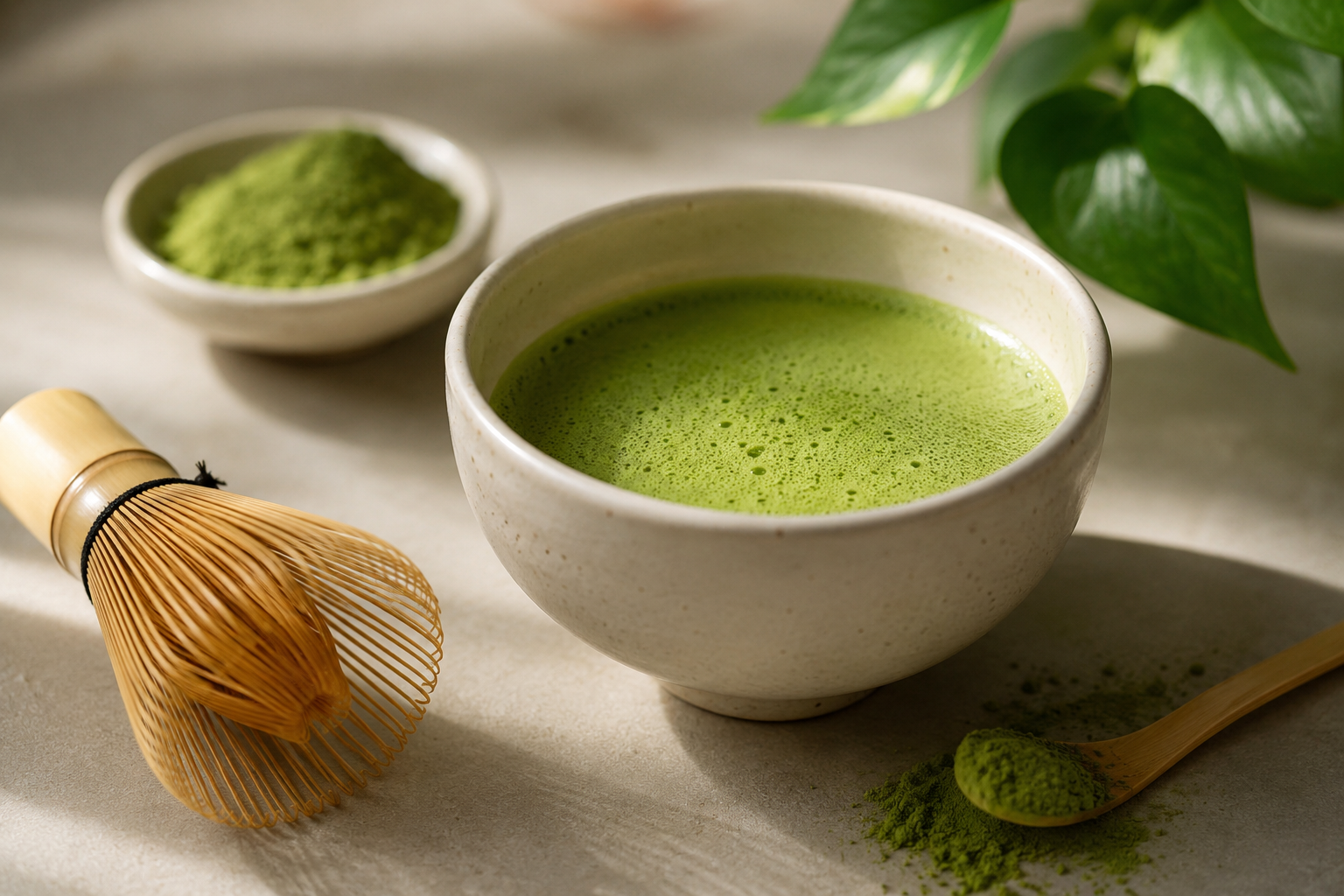
If you have been looking for a simple daily habit that actually supports your goals, matcha for weight loss is worth taking seriously. This is not just another wellness trend that disappears after a season. The science behind matcha is solid, the benefits are real, and for people who are actively working on their weight, it fits naturally into a broader strategy. That said, knowing how it works and what its limits are will help you use it the right way.
Matcha Tea for Weight Loss
Matcha tea for weight loss works differently than most drinks you will find marketed for the same purpose. Unlike bottled teas or powder blends loaded with sweeteners, pure ceremonial-grade matcha gives you the full benefit of the entire tea leaf in concentrated form. The process of shading the plant before harvest increases chlorophyll and L-theanine content, which is part of why the flavor and the effect are both notably stronger than regular green tea.

The Compound That Does the Heavy Lifting
The catechin EGCG (epigallocatechin gallate) is the primary reason matcha gets so much attention in metabolic research. Studies have found that EGCG can increase fat oxidation, particularly when consumed before moderate-intensity exercise. It does not trigger fat loss on its own, but it supports the body’s ability to use fat as fuel more efficiently when you are already active and eating at a reasonable calorie level.
L-Theanine and Why It Matters for Consistency
L-theanine is an amino acid found almost exclusively in tea plants, and matcha has it in high concentrations. It works alongside caffeine to produce a focused, steady kind of alertness without the spike and crash. For weight loss specifically, this matters because consistency is everything. When you feel clear-headed and energized without anxiety, you are far more likely to follow through on workouts, make better food choices, and avoid stress-driven snacking. If you want to understand how stress directly connects to your weight, this piece on can stress cause weight gain and break it down clearly.
Matcha and Weight Loss
The relationship between matcha and weight loss is best understood as supportive rather than transformative on its own. People who treat matcha as a magic fix usually feel disappointed. People who treat it as one smart addition to a well-structured routine tend to notice real differences over time.
Blood Sugar Stability
One of the more practical benefits is how matcha may slow glucose absorption after meals. Blood sugar spikes followed by sharp crashes are one of the main reasons people feel hungry again an hour after eating. By moderating that curve, matcha can help you stay satisfied longer and reduce the kind of random cravings that quietly destroy progress. This works well alongside other nutrition-focused habits, and if you are exploring which beverages actually support this, the guide on low calorie drinks for weight loss has useful comparisons.
Anti-Inflammatory Effects
Chronic low-grade inflammation is closely tied to insulin resistance, fat storage, and difficulty losing weight. Matcha’s high antioxidant content, particularly the polyphenols, helps reduce oxidative stress in the body. This does not show up on a scale overnight, but it creates a better internal environment for metabolic function over time. For people managing weight-related health conditions, reducing inflammation is often one of the first priorities a medical team addresses.
How Much Matcha Per Day for Weight Loss Actually Moves the Needle
People often start drinking matcha daily without knowing whether one cup is enough or three is too many. Knowing how much matcha per day for weight loss produces real results saves a lot of guesswork and protects you from pushing too far in the other direction.
The Daily Amount Most Research Points To
Most studies showing meaningful fat oxidation and metabolic support used between 2 and 4 grams of matcha daily. That works out to roughly two cups prepared in the traditional way. Going below one gram rarely produces a measurable effect. This is the range worth building your habit around before experimenting further.
Timing Your Matcha Around Your Body’s Natural Fat-Burning Window
Drinking matcha about 30 minutes before moderate physical activity tends to amplify EGCG’s effect on fat oxidation. Morning consumption on an empty stomach is another approach many people find useful for metabolic activation, especially when combined with a short walk or workout shortly after.
What Drinking Too Much Matcha Actually Does to Your Progress
Beyond four cups a day, the caffeine load starts working against you. Poor sleep quality is one of the fastest ways to stall weight loss, and excess caffeine in the afternoon or evening directly disrupts deep sleep cycles. Too much matcha can also cause nausea and reduce appetite in ways that lead to under-eating, which slows metabolism over time.
Daily Matcha Intake Guide for Weight Loss Goals
Daily Amount | Expected Effect |
Under 1 gram (less than 1 cup) | Minimal metabolic impact |
1 to 2 grams (1 cup) | Light antioxidant and energy support |
2 to 4 grams (2 cups) | Optimal range for fat oxidation support |
4 to 6 grams (3 or more cups) | Increased caffeine risk, possible sleep disruption |
Above 6 grams daily | Potential nausea, liver stress, counterproductive |
Pre-workout timing | Strongest fat-burning effect per cup |
Losing Weight with Matcha
Losing weight with matcha comes down to using it as leverage, not as a shortcut. The people who get results are doing several things right at once: eating in a modest calorie deficit, moving regularly, managing sleep and stress, and using evidence-based additions like matcha to sharpen their results. If you are relying on matcha while the fundamentals are off, you will not see meaningful progress. That is not a failure of matcha. That is just how metabolism works.
When Natural Support Is Not Enough
For some people, lifestyle adjustments including diet quality, movement, and supportive habits like matcha are a strong enough foundation. For others, especially those dealing with obesity, metabolic conditions, or years of weight cycling, the gap between effort and result can be genuinely frustrating. This is where professional medical support becomes not just helpful, but necessary.
At BodEvolve Bariatric, Dr. Clayton Frenzel and Dr. Brian Holt work with patients at every stage of their weight loss journey. The practice takes a thorough, individualized approach, whether that means starting with medical weight management or evaluating surgical options like gastric sleeve surgery or gastric bypass surgery. Natural supplements including matcha are encouraged as part of an overall healthy routine, but the team also knows when a patient needs more targeted intervention to get real, lasting results. You can also read about how other natural supplements for weight loss may fit into your plan.
Ready to Go Beyond the Basics
Matcha for weight loss is a genuinely useful tool and one worth keeping in your daily routine. But if you have been doing everything right and still feel stuck, the answer is not a better matcha recipe. The answer is getting the right support from people who specialize in exactly this. BodEvolve Bariatric has locations in Dallas, Richardson, Arlington, and Texarkana so you can connect with Dr. Frenzel or Dr. Holt wherever is most convenient for you. Book a consultation and find out what a plan built around your specific needs actually looks like.
