
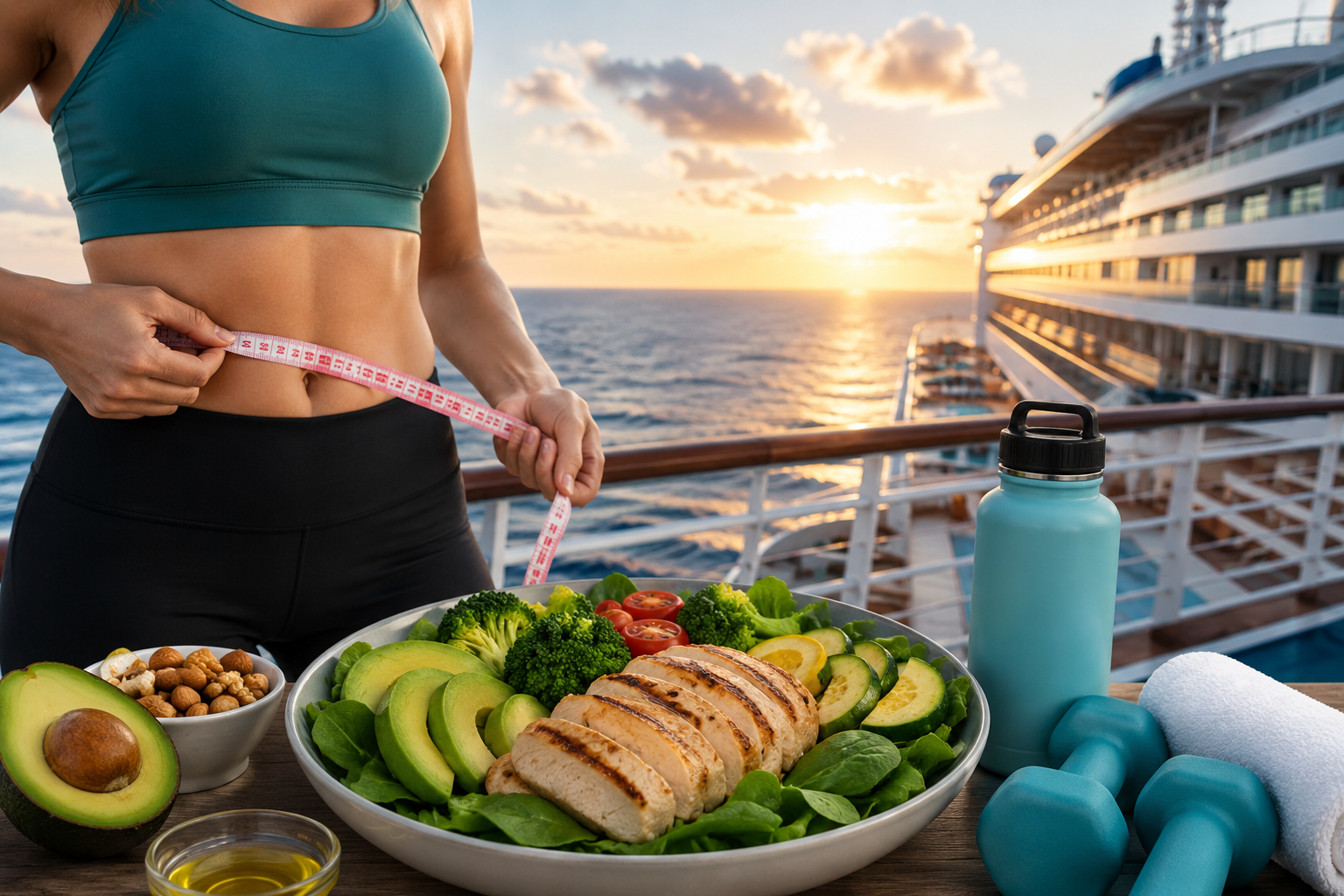
You have finally booked the cruise. The suitcase is halfway packed, the itinerary is printed, and there is a small voice at the back of your head asking one uncomfortable question: what is going to happen to your weight loss? If you have been working hard on portion control, protein-first eating, or a post-surgery routine, the idea of stepping onto a floating buffet can feel less like a vacation and more like a test you did not study for. That is exactly where low carb cruise weight loss comes in. It is not a fad and it is not a shortcut. It is a practical way to eat, drink, and move on a cruise ship so that you come home lighter, or at the very least, exactly the same size you left. This guide is written for real people, especially those recovering from weight loss surgery or working through a medical weight management plan under a surgeon like dr Frenzel at BodEvolve Bariatric. No fluff, no gimmicks, just what actually works when you are seven days out at sea and surrounded by chocolate lava cake.
Why Cruises Are a Real Weight Loss Landmine
Cruises are engineered to make you eat. That is not a criticism, it is just a business model. The average cruise passenger gains between one and three pounds a week, and studies from the North American Association for the Study of Obesity have suggested some passengers gain up to seven pounds on a longer voyage. For a bariatric patient, that kind of gain is not just a number on the scale. It can stretch your surgical pouch, trigger old cravings, and undo months of careful habit building.
The problem is rarely willpower. The problem is structure. Meals appear every two hours. Alcohol is either included or heavily discounted. Desserts are placed at eye level in almost every venue. Even the walking routes on the ship route you past soft serve stations and pizza windows. Combine that with the mental permission slip most of us give ourselves on vacation, and you have a perfect storm for weight regain.
This is where a low carb strategy quietly saves the day. Carbohydrates, especially refined ones, are the fastest way to trigger hunger and cravings after your body has adjusted to eating less. When you swap those refined carbs for protein and healthy fats, hunger stays flatter, energy stays more even, and the mental fog that leads to poor choices at the buffet does not show up as often. If you are still learning your body’s cues post-op, our guide on how to lose weight after bariatric surgery is worth reading before you board. It lays out the eating patterns that carry directly onto a cruise ship.
The Low Carb Approach to Cruise Ship Dining
Low carb eating on a cruise is not keto boot camp. You do not need to hit strict macros, count every gram, or refuse every carb-adjacent food. The goal is simpler: keep your daily net carbs low enough that your body stays in fat-burning mode and your appetite stays predictable.
For most cruise passengers focused on weight loss, that means aiming for somewhere between 50 and 100 grams of net carbs per day. Bariatric patients often land even lower, around 30 to 60 grams, because their reduced stomach size already limits how much food fits comfortably. The exact number matters less than the pattern. Protein first. Non-starchy vegetables next. Healthy fats to keep you full. Refined carbs and sugars saved for one or two intentional moments across the week, if at all.
The beauty of a cruise is that most ships already offer everything you need to eat this way. The dining rooms serve grilled fish, eggs cooked to order, steaks, roasted chicken, salads with olive oil, cheese boards, and vegetable sides. You do not have to ask for special meals or explain your surgery. You just have to know what to order and what to skip.
A cruise ship low carb meal looks something like this: a large piece of grilled salmon, a side of sauteed spinach, a small serving of avocado, and sparkling water with lime. That plate is high in protein, high in satiating fat, and low in blood sugar impact. You will walk away comfortable, not stuffed, and you will not be hungry again for four to five hours. For a patient who has undergone gastric bypass, that kind of meal structure also protects against dumping syndrome, which sugar and refined carbs can trigger.
Best Low Carb Foods to Eat on a Cruise
Once you learn what to look for on a cruise ship menu, ordering becomes almost automatic. Every major cruise line, from Royal Caribbean to Norwegian to Carnival to Celebrity, follows the same general food architecture. Here is what tends to be available and worth ordering.
- For breakfast, eggs are your best friend. Order them any style. Add bacon, sausage, ham, or smoked salmon. Skip the pancakes, the pastries, the potatoes, and the juice. If you want something sweet, most ships offer plain Greek yogurt with berries. Coffee with a splash of half-and-half is fine. Skip flavored creamers and sugar syrups.
- For lunch, salads with real protein on top are almost always available. Grilled chicken Caesar without croutons, a Cobb salad, or a build-your-own salad with olive oil and vinegar all work. If the ship has a taco bar, request the fillings served on a lettuce wrap or in a bowl. Sushi bars are surprisingly friendly if you focus on sashimi, cucumber-wrapped rolls, or nigiri that you separate from the rice.
- For dinner, the main dining rooms are where low carb eating shines. Prime rib, grilled steaks, roasted lamb, seafood platters, and rotisserie chicken are almost always on the menu. Ask for vegetables in place of rice or potatoes. Most servers will happily double your vegetable portion at no charge. If the appetizer menu includes shrimp cocktail, smoked salmon, or a small charcuterie plate, those are excellent low carb starters that also help you feel satisfied before the entree arrives.
- For snacks, cheese plates, hard boiled eggs, nuts, olives, and cold cuts are often available at the buffet or through room service. If you have had a gastric sleeve, these small protein-and-fat snacks are perfect for the smaller, more frequent eating pattern your new stomach prefers.
Foods to skip or drastically limit include bread baskets, pasta dishes, rice, potatoes in any form, breaded and fried items, sugary cocktails, fruit juices, sodas, most desserts, ice cream, pizza, and the endless soft serve machine. This is where most passengers quietly rack up hundreds of extra grams of carbs a day without realizing it.
Planning Your Low Carb Cruise Menu Before You Board
The passengers who succeed at low carb weight loss on a cruise almost always plan ahead. That does not mean packing a suitcase full of protein bars. It means doing some light research before the ship leaves port.
Start by looking up your cruise line’s dining menus online. Most publish sample menus on their websites, and travel forums post current menus for every major itinerary. Take fifteen minutes to identify two or three low carb entrees you would enjoy in each dining venue. This one small step removes the mental fatigue of deciding at the table, which is when most cruise passengers cave to whatever the server describes most passionately.
Next, decide in advance what your alcohol plan is. This is often the biggest hidden source of carbs on a cruise. A single frozen daiquiri can carry 40 to 60 grams of sugar. A pina colada can hit 70 grams. If you plan to drink, choose dry wine, champagne, tequila or vodka with soda water and lime, whiskey neat, or a dry martini. These options come in at zero to five grams of carbs per serving. Skip the pool bar slushies, the beer buckets, and anything served in a hollow pineapple.
Also plan your treat meals. One or two per cruise is fine for most people. Choose them intentionally. Maybe it is the specialty steakhouse dinner with a small dessert, or a shore excursion lunch featuring authentic local food. When your treats are planned, they feel like celebration. When they are impulsive, they feel like failure. That mental difference is huge for long-term weight loss, especially for patients still building post-surgical eating habits. You can see how planned indulgence fits into a longer weight loss journey in our detailed post on gastric bypass before and after transformations from real BodEvolve patients.
Finally, pack a few backup items in your carry-on. Individual packets of protein powder, unsweetened electrolyte mixes, a few beef jerky sticks, and unsalted nuts take up almost no space. They are lifesavers on port days when you are off the ship for eight hours and every restaurant nearby is serving carb-heavy tourist food.
Bariatric Surgery and Low Carb Cruising: What You Need to Know
If you are cruising as a post-bariatric patient, the rules shift slightly. Your stomach is smaller, your body absorbs nutrients differently, and certain foods can create real discomfort if you are not careful.
The first rule is protein always comes first. Every meal should start with a protein source. Fish, chicken, eggs, beef, pork, or seafood. Aim for 60 to 80 grams of protein per day, spread across four to six small meals rather than three big ones. This keeps your metabolism steady and prevents the muscle loss that can sneak up on long-distance travelers.
The second rule is hydration. Cruise ships are surprisingly dehydrating between the salt air, the alcohol, and the air conditioning. Bariatric patients need to sip water consistently throughout the day, never with meals but between them. Skip the sugary drinks and the artificial sweeteners that trigger cravings. Sparkling water with a slice of lime or cucumber feels festive without any of the metabolic cost.
The third rule is watch for dumping triggers. If you have had gastric bypass, sugar and refined carbs can send you into a rapid heart rate, dizziness, sweating, and diarrhea within thirty minutes of eating. It is genuinely miserable, and it can hit you at the worst moment. That means desserts, fruit juices, sweet cocktails, and hidden sugars in sauces need extra scrutiny. Ask your server how dishes are prepared. Cruise kitchens are used to this question and will usually give you a straight answer.
The fourth rule is do not skip meals to save calories for a big dinner. This is one of the most common mistakes bariatric patients make on vacation. Skipping meals leads to head hunger, poor decisions, and often overeating at the next meal, which can stretch your surgical pouch. Steady, small, protein-rich meals are always the safer path.
If you have had a revision surgery or are considering one because of regain, cruising with a plan is even more important. Many patients ask us about how to get insurance to cover revision bariatric surgery, and the honest answer is that documented lifestyle effort, including how you handle high-risk situations like vacations, actually helps your case. Insurance companies want to see that you have done the work. Bringing back a cruise where you maintained your weight is evidence, not just of discipline, but of medical commitment.
Handling the Buffet, Bars, and Excursions
The buffet is where most cruise weight loss plans go to die. It is designed to trigger overeating. Wide aisles, unlimited plates, endless choices, and no server watching you. The good news is that a low carb buffet strategy is almost stupidly simple once you commit to it.
Walk the entire buffet before you pick up a plate. See everything on offer. Then choose one protein, one vegetable, and one small side of something interesting, and only fill your plate once. This is called the reconnaissance method, and it works because most overeating on cruises is impulse-driven. When you plan your plate before you fill it, you eat 30 to 40 percent less without feeling deprived.
At the bars, order first, sit second. If you sit down and read the drink menu, you will end up ordering something sweet just because it sounds fun. Walk up, order dry wine or spirits with soda water, and then find a seat. Bartenders on cruise ships are very used to low sugar orders. A dirty martini, a vodka soda with lime, a glass of Cabernet, or a whiskey on the rocks are all safe.
On excursions, the food environment can be the wild card. In port cities, restaurants often serve carb-heavy tourist meals designed for tired travelers who want comfort food. Do a quick search before you disembark and identify two or three restaurants with grilled meats, seafood, or salad-friendly menus. Steakhouses, seafood shacks, and Mediterranean spots are almost always safe bets. Avoid the pasta houses, sandwich shops, and dessert cafes that dominate cruise port streets.
Pack a small emergency snack in your day bag. A protein bar or a small bag of nuts can save you from a bad decision when your excursion runs long and you are three hours past your usual meal time. Even a single snack keeps blood sugar steady enough to make a good ordering choice at the next restaurant.
Staying Active On Board for Extra Weight Loss
Movement multiplies the effect of low carb eating. You do not need to hit the gym for an hour a day, but you do need to move consistently. The average cruise passenger walks about 3,000 steps per day. Low carb weight loss cruisers usually hit 10,000 to 15,000 without trying too hard.
Take the stairs everywhere. Elevators on cruise ships are slow anyway, and most staircases are wide, well-lit, and easy to use. If your cabin is on deck seven and the buffet is on deck eleven, that is roughly 500 steps per round trip. Do that four times a day and you have 2,000 easy steps.
Walk the promenade deck each morning. Most large ships have an outdoor track on the promenade that goes all the way around the ship. Three to four laps is usually a mile. Do it before breakfast when the ship is quiet, the air is cool, and the ocean is doing its thing on the horizon. This morning walk resets your appetite and mood for the day.
Use the ship’s gym at least three times during the cruise. Cruise gyms are usually well-equipped and rarely crowded. Even a 30-minute session of walking on the treadmill and light strength training is enough to preserve muscle and boost your metabolism for the next 24 hours. If you have a specific post-op exercise plan from your surgical team, bring a printed copy so you can follow it consistently.
Choose active excursions when you can. Snorkeling, kayaking, walking tours, and beach days involve more movement than bus tours and food tastings. On sea days, take a dance class, join the pickleball tournament, or try the rock wall. Nobody is watching, and the calorie burn adds up quickly.
Even small movement habits stack. Standing while watching a show, walking to the far bathroom instead of the closest one, taking the long way to your dining room. None of it feels like exercise, but it all counts.
Common Low Carb Cruise Mistakes That Sabotage Weight Loss
Even people who plan well often trip over a few predictable mistakes. Knowing them in advance is the easiest way to avoid them.
The first mistake is treating cruise food as free. Nothing on a cruise is nutritionally free. Even the small things add up. A single scoop of ice cream at the pool, a cocktail before dinner, a couple of chocolates on your pillow at turndown. Add them across seven days and you can easily consume an extra 5,000 to 7,000 calories without noticing.
The second mistake is drinking your calories. Cruise drinks are the number one hidden reason low carb passengers still gain weight. A daily drink package can look like a bargain, but it becomes an eating incentive rather than a savings. If you have a package, use it for the low sugar drinks mentioned earlier, not the frozen ones.
The third mistake is under-eating protein. Passengers who try to save calories often skip protein at breakfast, choose salads without meat at lunch, and drink instead of eat at dinner. This tanks your metabolism, kills your muscle mass, and guarantees you will feel weak and cranky by day four. Aim for protein at every single meal, even if it is small.
The fourth mistake is over-restricting and then binging. This is the classic all-or-nothing trap. Passengers eat perfectly for three days, then decide they have earned a giant dessert, then feel guilty, then eat poorly for two more days. A steady, moderate low carb approach with one or two planned treats is always more successful than perfection followed by collapse.
The fifth mistake is ignoring sleep. Ship activities, late-night shows, and time zone changes can wreck your sleep, and poor sleep directly raises cortisol and hunger hormones. Try to keep a semi-regular bedtime. You do not have to be in bed by 9 pm, but you also should not be up until 2 am four nights in a row. Sleep is a weight loss tool, not an inconvenience.
The sixth mistake is not weighing yourself for the first three days after you get home. Water weight from salt, alcohol, and travel can add three to five pounds temporarily. If you weigh yourself the morning after you disembark, you will think you failed. Wait until day four to check the scale, when your body has flushed the extra water. Most low carb cruise passengers see their real weight was the same or lower than when they left.
Sample 7-Day Low Carb Cruise Meal Plan
Here is a realistic sample of what a low carb weight loss cruise week looks like on a typical mid-size ship. This is not a strict plan. It is a template you can adapt to your ship’s menu and your surgical needs.
- Day 1 (Embarkation): Breakfast at home before boarding: three eggs, avocado, coffee. Lunch on ship at the pool grill: bunless burger with cheese, side salad, sparkling water. Dinner in main dining: grilled fish, asparagus, side salad, one glass of dry white wine.
- Day 2 (Sea Day): Breakfast: omelet with cheese, ham, mushrooms, tomatoes. Lunch: chicken Caesar salad without croutons. Afternoon snack: cheese plate. Dinner: prime rib, roasted vegetables, small mixed greens salad, sparkling water with lime.
- Day 3 (Port Day): Breakfast: eggs, bacon, half an avocado, coffee. Lunch on shore: grilled seafood platter with mixed vegetables. Dinner on ship: seared tuna, sauteed spinach, small serving of berries with whipped cream.
- Day 4 (Sea Day): Breakfast: Greek yogurt with berries, small handful of nuts. Lunch: build-your-own bowl at the buffet with grilled chicken, mixed greens, olives, feta, olive oil, and vinegar. Dinner: roasted lamb, cauliflower puree, ratatouille, one dry martini.
- Day 5 (Port Day): Breakfast: eggs any style, smoked salmon, coffee. Lunch on shore: local grilled meat, vegetable side, sparkling water. Dinner: specialty steakhouse night, filet mignon, creamed spinach, one small piece of dark chocolate.
- Day 6 (Sea Day): Breakfast: omelet with vegetables and cheese. Lunch: shrimp cocktail, mixed greens with grilled salmon, olive oil dressing. Afternoon: hard boiled egg and cheese from room service. Dinner: rack of lamb, brussels sprouts, small salad, one glass of red wine.
- Day 7 (Disembarkation Eve): Breakfast: eggs, sausage, tomato slices. Lunch: salad with tuna or chicken. Dinner: seafood platter, non-starchy vegetable, unsweetened iced tea. Skip alcohol on the last night so you disembark feeling clean and light.
This kind of plan keeps most bariatric patients between 30 and 60 grams of net carbs per day, which is exactly where sustained fat burning happens. It is not deprivation. It is delicious food chosen with intention.
What to Do When You Get Home
The last piece of the puzzle is the day you get off the ship. Most passengers who gain weight on cruises actually gain more of it in the two weeks after they return, because they carry cruise eating habits into their normal life.
Return to your standard post-op or weight management routine within 24 hours of getting home. Restock your fridge with the same proteins and vegetables you were eating before the trip. Weigh yourself on day four, not day one. Book your next follow-up appointment with your surgical team so you have a fresh accountability check on the calendar.
If you find that you have regained more than a few pounds and it is not coming off with your normal habits, do not panic and do not wait. Reach back out to your surgeon’s office. This is exactly why post-op programs include long-term follow-ups. Small course corrections early are always easier than big rescue efforts later.
The Bottom Line
A cruise does not have to be a weight loss disaster. With a low carb strategy, some light planning, and a commitment to protein-first eating, you can genuinely enjoy every port, every dinner, and every ocean sunset without paying for it on the scale. The passengers who leave a cruise lighter than when they arrived are not superhuman. They just have a plan, and they follow it kindly, not harshly.
If you are in North Texas and considering weight loss surgery, currently on a post-op journey, or exploring revision options, the BodEvolve Bariatric team is here to help. Our surgeons care for patients across Arlington, richardson, Dallas, and texarkana, and every plan is built around the way you actually live, cruises, holidays, and everything in between. Book a consultation with our team today, and let us help you build a weight loss plan that follows you all the way to the harbor and back.
