

Preparing for bariatric surgery is one of the most important steps toward achieving long-term weight-loss success. Understanding how to prepare for weight loss surgery helps minimize surgical risks, supports faster recovery, and lays the foundation for sustainable lifestyle changes. From completing medical evaluations to making dietary adjustments and adopting healthier habits, proper planning ensures patients feel confident, informed, and ready for the journey ahead.
Pre-Bariatric Surgery Preparation
Pre-bariatric surgery preparation is done several weeks or months prior to the surgery. Throughout the period, patients pass through extensive medical examinations and blood tests, imaging, and cardiac or pulmonary tests are done at our BodEvolve Bariatric Surgery Center. These assessments will assist in ensuring the eligibility of the surgeries and also determine the presence of any conditions that require to be attended to.
Physicians can encourage weight reduction before surgery to make the liver smaller and enhance the safety of the surgery. Having a smooth surgical process is enhanced by following a systematic plan throughout this phase. Preparation can as well equip the patients know about the bariatric surgery requirements and the expectations in the long run.
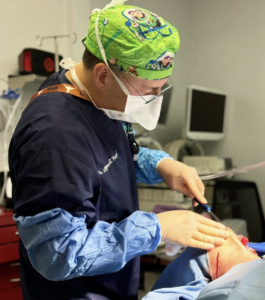
Medical and Nutritional Guidelines Before Surgery
It is important to follow the medical and nutritional instructions during the preparation of surgery. A dietitian usually meets with patients to teach them how to control their portion intake, protein consumption and hydration. These changes are beneficial at their early implementation and aid in pre-operative bariatric diet success.
Patients are forced to quit smoking and reduce alcohol consumption, weeks prior to surgery, by many surgeons. Such alterations decrease the complications of the process and enhance healing. Learning about medical clearance of bariatric surgery will provide the patient with all safety requirements before proceeding.
Mental and Emotional Preparation for Bariatric Surgery
It is equally as vital to be mentally prepared as it is to be physically prepared. Bariatric surgery is associated with drastic changes in the lifestyle, and patients should be ready to make changes in the food habits, relations and self-image. To determine readiness, counseling or psychological assessments may be necessary.
Long-term success can be achieved by developing healthy coping skills and having realistic goals. When patients concentrate on mental preparation for bariatric surgery, they are more likely to overcome all difficulties and remain devoted to their health process.
Lifestyle Changes Before Bariatric Surgery
Preoperative lifestyle modification is better at enhancing surgical outcomes and weight loss during the long run. Patients are advised to engage in moderate exercise like walking to become more energetic and to increase the performance of the heart. It is best to create uniform routines at an early stage to make the post-surgery adjustments easier.
Another significant aspect of preparation is sleep patterns, coping with stress, and hydration. Healthy habits pre-bariatric surgery are also the focus to assist the body to heal quicker and to maintain weight loss, post-surgery.

Pre-Surgery Diet and Eating Habits
Pre-surgery diet aims at decreasing the liver size and getting the digestive system ready to undergo surgery. This is a high protein and low carbohydrate and fats diet. Its close-up will assist in reducing risks during surgery and enhancing its results.
Patients are taught how to eat slowly, to chew and not to drink carbonated or sweet drinks. The habits are the basis of the preparation of bariatric surgery diets and help in a faster post-operative recovery.
Preparing Your Home and Support System
One of the important preparation components is the establishment of the enabling environment. The approval of the foods to be stocked in the kitchen, time off work, and post-surgery care minimizes stress levels during the recovery process. The support person can facilitate the first few days of the post-surgery time.
Educational sessions and support groups are also valuable sources of information. Establishing a good support system is a way of assuring patients that they are ready to live their lives post-bariatric surgery.
Understanding Surgical Expectations and Recovery
The anticipation of what lies ahead on the day of surgery helps to calm down the anxiety and enhances preparedness. Patients are supposed to learn the length of stay, pain relieving methods, and recovery progression. Clear expectations enable the patients to remain focused.
Education on recovery time and post-discharge treatment helps them to make informed decisions. When properly equipped in the planning of bariatric surgery recovery, the period between surgery and recovery would have been easier. Dr. Clayton Frenzel and Dr. Brian Holt, both our surgeons believe in individualized and evidence-based care and they complement each other.
Conclusion
Bariatric surgery preparation is an all-inclusive process, which entails medical, nutritional, emotional and lifestyle preparation. Preparation time mitigates risks, improves the chances of successful recovery, and raises the chances of success in the long run. When bariatric surgery is properly prepared for, it is not only a process, but the start to a more healthier and satisfying life.
