
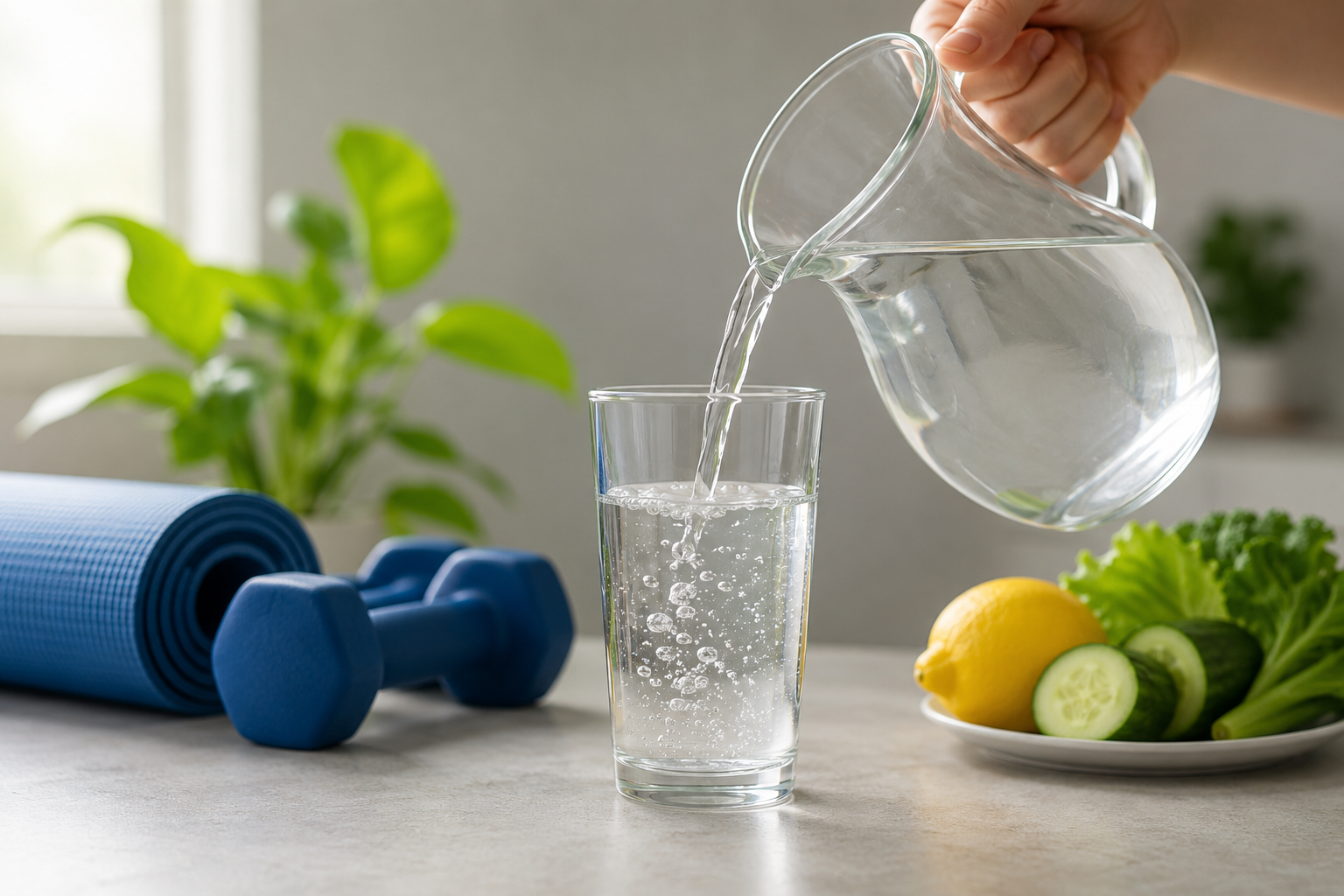
How much water should drink for weight loss? Most people do best somewhere between half their body weight in ounces and 3 to 4 liters a day, and the right number for you depends on your size, how active you are, and whether you’re managing your appetite through diet, medication, or surgery. If you’re following a semaglutide dosing chart as part of a medical weight loss program, pay extra attention here, because GLP-1 medications slow digestion and can leave you dehydrated if you’re not drinking with intention. At BodEvolve Bariatric Surgery Center in the Dallas-Fort Worth area, this is one of the questions our patients ask us more than almost anything else, and honestly, hydration is one of the most underrated pieces of a weight loss plan that actually sticks.
Water isn’t going to melt fat by itself. But it quietly supports nearly every process your body uses to burn calories, keep hunger in check, and heal after a bariatric procedure. Whether you’re a few weeks out from a gastric sleeve or you’re just starting to look into your options, dialing in your daily water intake can be the difference between a plan that stalls and one that keeps moving.
How Much Water to Drink to Lose Weight
A formula that a lot of bariatric dietitians lean on is pretty simple. Take your body weight in pounds, cut it in half, and that’s roughly how many ounces of water you should be aiming for. Someone who weighs 180 pounds would land around 90 ounces, which is about 11 cups. That number climbs if you work out regularly, if you live somewhere with brutal summers like North Texas, or if you’re recovering from surgery.
Why This Formula Actually Works
- It scales with your body instead of handing everyone the same flat number
- Bigger bodies process more waste, and more fluid helps that happen efficiently
- It gives you something concrete to aim for instead of a vague “drink more water” suggestion
Small Adjustments Worth Making
- Tack on 12 extra ounces for every 30 minutes you spend exercising
- Add more on hot days or if you sweat a lot
- Ease off slightly if your meals are already full of water-rich foods like soups and fresh produce
How Much Water Should I Be Drinking for Weight Loss
This is where it gets personal. Two people who weigh exactly the same can need very different amounts of water depending on activity, medications, and whether they’ve had any type of weight loss surgery. Patients recovering from a gastric sleeve or gastric bypass usually need to sip slowly throughout the day instead of gulping large amounts, since a newly reshaped stomach can’t hold much volume in those early weeks.
Here’s a reference table many of our patients keep on hand, though it shouldn’t replace guidance from your own care team.
| Body Weight | Baseline Daily Water Target | With Moderate Exercise |
| 130 lbs | 65 oz (about 8 cups) | 75-80 oz |
| 160 lbs | 80 oz (10 cups) | 90-95 oz |
| 190 lbs | 95 oz (12 cups) | 105-110 oz |
| 220 lbs | 110 oz (14 cups) | 120-125 oz |
| 250+ lbs | 120-130 oz (15-16 cups) | 130-140 oz |
How Much Water Should I Drink for Weight Loss
If there’s one thing worth remembering from this whole article, it’s this: showing up consistently beats chasing a perfect number. Drinking 70 ounces every single day will do more for your metabolism, appetite, and energy than swinging between 120 ounces one day and 20 the next.
Signs You’re Probably Not Drinking Enough
- Urine that’s dark yellow instead of pale or clear
- Headaches that show up in the early afternoon
- Feeling hungry not long after finishing a full meal
- Fatigue that a cup of coffee doesn’t seem to touch
Habits That Actually Help
- Keep a marked water bottle within arm’s reach at your desk or in the car
- Drink a full glass before meals, which naturally supports portion control too
- Set a couple of phone reminders through the day instead of trying to remember on your own
If you’re managing insulin resistance or thyroid issues alongside your weight, our post on hypothyroidism and weight gain walks through how those conditions change the picture, and hydration plays into that as well.
How Much Water Should a Person Drink for Weight Loss
Age, activity, climate, and any existing health conditions all shift the target. Someone managing type 2 diabetes or high blood pressure, which describes a lot of the patients we see at BodEvolve, may need to coordinate fluid intake with their physician, since some medications change how the body holds onto or releases water.
| Factor | Typical Adjustment |
| Sedentary desk job | Standard baseline formula |
| Active job or daily workouts | Add 16-24 oz |
| Living in a hot climate | Add 8-16 oz |
| Post-bariatric surgery (first 3 months) | Sip 6-8 oz at a time, spaced across the day, totaling 48-64 oz |
| On appetite-suppressing medication | Add 8-12 oz to counter dry mouth and constipation |
A Note for Bariatric Patients Specifically
If you’ve had a sleeve gastrectomy, gastric bypass, duodenal switch, or SADI-S procedure, you’ll need to relearn how you hydrate. Gulping water can be uncomfortable in a smaller stomach pouch, so the focus shifts from volume to pacing. Our surgical team walks every patient through this during recovery, whether they came in for a gastric sleeve, a gastric bypass, a duodenal switch, or SADI-S surgery, so hydration works with the healing process instead of against it. Patients coming back for a revision weight loss procedure often need this refresher too, since it’s easy to slip back into old habits.
How Much Water Should a Woman Drink for Weight Loss
Women often need a slightly different amount than men, thanks to differences in average body composition, hormonal cycles, and things like pregnancy or breastfeeding history. The National Academies of Sciences generally points women toward around 91 ounces of total water daily from food and drinks combined, while men land closer to 125 ounces. For weight loss specifically, a lot of women do well starting around 75 to 90 ounces from drinking water alone and adjusting from there.
| Life Stage | Suggested Daily Water Intake |
| Average adult woman | 75-91 oz |
| Woman exercising regularly | 90-100 oz |
| Woman on a GLP-1 program | 90-100 oz, sipped steadily to manage nausea |
| Postpartum or breastfeeding | 100-128 oz |
Hormonal shifts tied to the menstrual cycle can also cause temporary water retention, which sometimes gets mistaken for a stalled weight loss plan. Staying consistent with hydration, instead of cutting back the moment you notice bloating, usually helps the body sort itself out faster. If hormones are a bigger piece of your puzzle, our article on losing weight with PCOD goes into more detail on that connection.
Why Water Timing Matters as Much as Total Volume
Spreading your water out across the day tends to work better than trying to cram it all in by evening. A big glass right before bed can mess with your sleep, while a glass first thing in the morning helps kickstart digestion after hours without any fluid at all.
A Few Timing Guidelines
- Drink a glass of water within 30 minutes of waking up
- Sip water 20-30 minutes before meals rather than during them, especially if you’ve had bariatric surgery
- Skip large amounts of water in the hour before bed
- Keep water with you during errands or meetings so drinking becomes something you just do, not something you have to remember
Pairing good hydration with smart food choices matters too. If you’re rethinking what’s on your plate, we’ve written about which lean meats support weight loss and which foods to avoid tend to work against it.
Bringing It All Together: Your Next Step Toward Lasting Weight Loss
So, how much water should drink for weight loss really? A baseline built around your body weight, adjusted for activity, climate, and whatever else you’re managing, whether that’s a semaglutide dosing chart, recovery from surgery, or simply a renewed commitment to better habits. Water alone won’t replace a structured plan, but it clears away one of the quiet obstacles that keeps a lot of people stuck.
If you’re ready for a plan built around your body and your goals, BodEvolve Bariatric Surgery Center offers both surgical and non-surgical paths forward, led by triple board-certified surgeon Dr. Clayton Frenzel and Dr. Brian Holt, a bariatric surgeon and metabolic specialist. Our team sees patients at our Richardson, Arlington, Dallas, and Texarkana locations, and we’d love to help you build a hydration and weight loss strategy that actually fits your life. Schedule a consultation whenever you’re ready to talk through it.
