
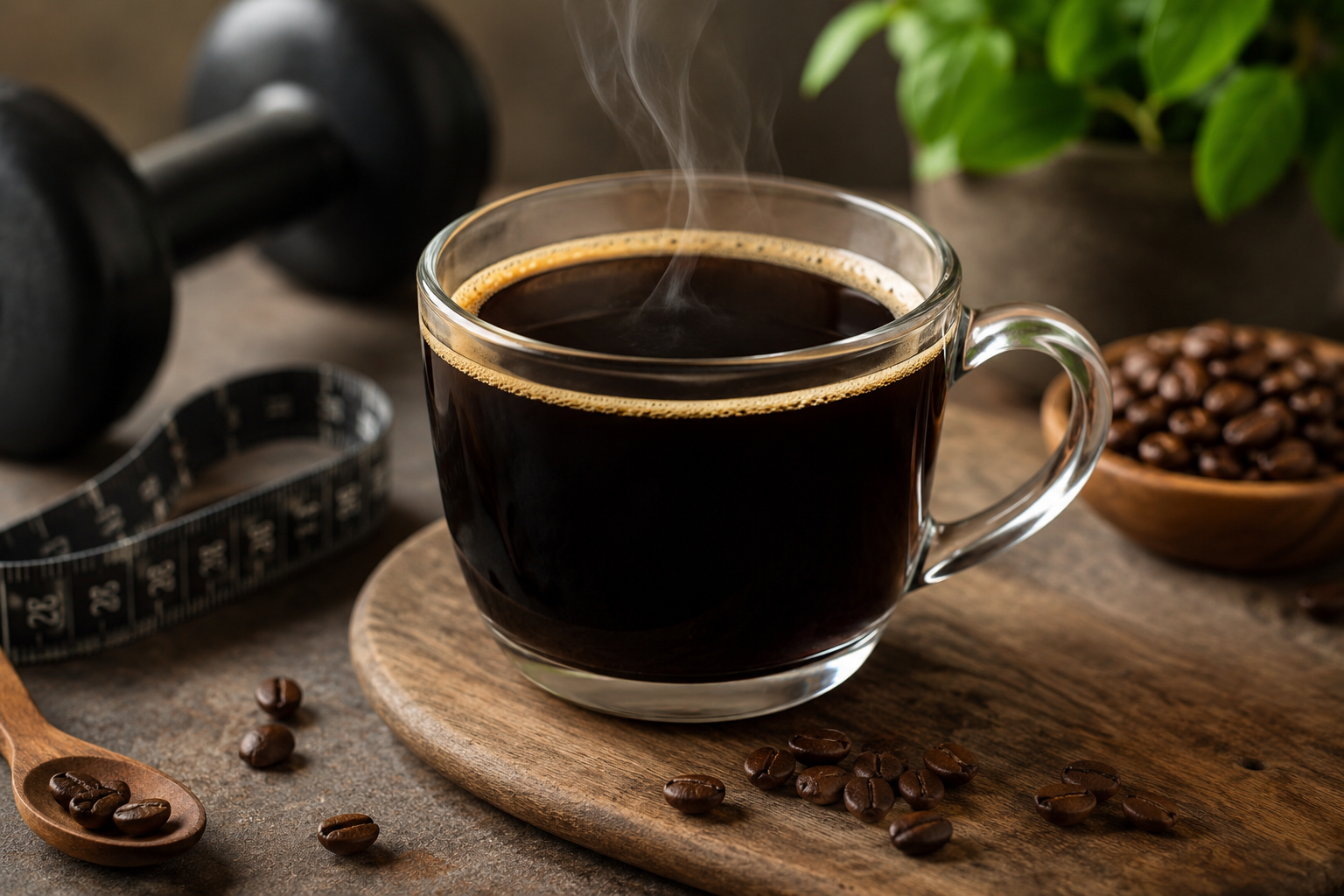
You’ve probably heard someone at the gym swear by their morning cup. Maybe a coworker dropped fifteen pounds and gave all the credit to black coffee for weight loss. So the question stands: does it really work, or is this another wellness trend dressed up in caffeine?
Short answer: yes, it can help. But the full story is a lot more nuanced than “drink coffee, watch the scale drop.” Some people see real changes. Others don’t budge no matter how many cups they down. The difference comes down to how you drink it, when you drink it, and whether coffee is even the right tool for the amount of weight you actually need to lose. Dr. Clayton Frenzel and his team at BodEvolve Bariatric see this all the time. Patients arrive after years of trying coffee, green tea, apple cider vinegar, and every viral trick on the internet, still stuck at the same starting weight.
Let’s break down what black coffee can and can’t do, and where it fits into a real weight loss plan.
Is Black Coffee Good for Weight Loss?
Black coffee can support weight loss because it’s nearly calorie-free and its caffeine gives your metabolism a short, modest boost of roughly 3 to 11 percent. It also curbs appetite for a few hours and helps your body use stored fat for fuel during exercise. On its own, though, it won’t produce major or lasting weight loss.
The catch is that coffee alone will not melt fat. It’s a modest helper, not a magic bullet. If you’re eating in a surplus or dealing with metabolic slowdown from years of yo-yo dieting, no amount of coffee will move the needle in a meaningful way.
Benefits of Drinking Black Coffee for Weight Loss
Beyond the small metabolic bump, plain black coffee brings a handful of real perks:
- Mild appetite suppression that lasts two to three hours
- Higher fat oxidation during exercise
- Sharper focus and better workout intensity
- Almost zero calories, compared to 200 plus in a flavored latte
- Antioxidants like chlorogenic acid that may improve insulin sensitivity
The benefits of drinking black coffee for weight loss stack up mainly when it replaces something worse. Swap one daily 300-calorie mocha for black coffee and you’ve cut over 100,000 calories a year without changing anything else you eat. That alone can shave off ten to fifteen pounds over twelve months for someone who wasn’t already tracking their intake.
How to Drink Black Coffee for Weight Loss: Best Timing and Method
Timing matters more than most people realize. The best time to drink black coffee for weight loss is roughly 30 to 60 minutes before a workout, or in the mid-morning window after your first meal. Here’s why.
Drinking coffee on a completely empty stomach right after waking spikes cortisol, which is already naturally high early in the day. Chronically elevated cortisol pushes your body to hold onto belly fat. Waiting an hour or two after waking gives your cortisol curve time to drop naturally.
Pre-workout timing works because caffeine peaks in your bloodstream around 45 minutes after you drink it. That’s when you want it circulating during your training session for better fat mobilization and stronger output.
How to Make Black Coffee for Weight Loss at Home
Making it right is simple, but easy to mess up. Here’s the clean method:
- Use 2 tablespoons of freshly ground coffee per 6 ounces of water
- Brew with water just off the boil, around 200°F
- Skip sugar, cream, syrups, and flavored creamers entirely
- Add a pinch of cinnamon or a small squeeze of lemon if plain feels too harsh
That’s the whole process. The moment you add sweeteners or dairy, you’ve turned a 2-calorie drink into a 100-plus calorie one, which cancels the point.
Best Black Coffee for Weight Loss
The best black coffee for weight loss is freshly brewed from whole beans, ideally a medium roast. Contrary to what you may have read, dark roast actually has slightly less caffeine than lighter roasts because the roasting process breaks down some caffeine molecules.
If instant is your only realistic option, look for pure ground coffee with no added sugar, creamer, or artificial flavors on the label. Cold brew is another solid pick since it’s less acidic and easier on sensitive stomachs.
Black Coffee vs Green Tea for Weight Loss
This debate comes up a lot. Both drinks have merit:
- Black coffee: 95 mg of caffeine per cup, stronger short-term metabolic effect, cheaper
- Green tea: 30 mg of caffeine, more antioxidants like EGCG, gentler on the stomach, steadier energy
For pure fat oxidation during workouts, black coffee edges out green tea. For all-day steady energy without the mid-afternoon crash, green tea wins. Plenty of people alternate between the two through the week, and that works fine.
| Black Coffee | Green Tea | |
|---|---|---|
| Caffeine per cup | 95 mg | 30 mg |
| Best for | Pre-workout fat oxidation | Steady all-day energy |
| Key compound | Chlorogenic acid | EGCG |
| Cost | Cheaper | Pricier |
| Stomach sensitivity | More acidic | Gentler |
Black Coffee with Lemon, Cinnamon, Honey, and Other Add-Ins
The internet loves these combinations. Here’s the honest breakdown from a bariatric standpoint:
- Black coffee with lemon: The viral coffee and lemon trend has not been proven to burn extra fat. But lemon adds a bit of vitamin C and can make plain coffee easier to drink.
- Black coffee with cinnamon: Cinnamon may modestly improve insulin sensitivity, which helps how your body stores fat.
- Black coffee with coconut oil or ghee: Turns your cup into a 150 to 200 calorie drink. Only fits inside certain keto approaches, and it counts toward your daily calories.
- Black coffee with honey: Adds sugar. Undoes the calorie advantage completely. Skip this if weight loss is the goal.
- Black coffee with salt: Doesn’t burn fat, but a small pinch can reduce bitterness for people who dislike black coffee straight.
How Much Black Coffee Is Safe Per Day?
Most healthy adults tolerate 300 to 400 mg of caffeine daily, which works out to 3 to 4 cups of brewed black coffee. Push past that and you risk:
- Sleep disruption, which quietly sabotages weight loss
- Elevated cortisol and stress response
- Jitters, anxiety, and heart palpitations
- Dependency and rebound headaches when you skip a day
If you’re pregnant, breastfeeding, or managing a heart condition, stay under 200 mg daily and talk to your doctor first.
When Black Coffee Isn’t Enough: The Bariatric Surgery Conversation
Here’s the part the wellness world rarely says out loud. For people who need to lose 50, 80, or 150 pounds, black coffee is a rounding error.
If your BMI sits at 35 or higher, or 30 with conditions like type 2 diabetes, sleep apnea, or high blood pressure, no combination of coffee, intermittent fasting, and cardio will produce the results you actually need. The metabolic adaptations after years of significant excess weight make sustained loss through diet alone extremely difficult. Long-term research shows over 95 percent of people regain the weight within five years when relying on diet and exercise alone.
This is where bariatric surgery becomes a real, medically proven option. At BodEvolve Bariatric, dr Frenzel and Dr. Brian Holt perform procedures like gastric bypass and gastric sleeve that give patients a genuine metabolic reset. These are not shortcuts. They are surgical tools that reduce stomach capacity, shift appetite hormones like ghrelin, and make long-term weight loss achievable in a way calorie counting simply cannot match.
Patients typically lose 60 to 80 percent of their excess body weight within 12 to 18 months, and most keep it off when they follow post-op nutrition and activity guidelines. If you want to see how surgical options compare to the newer generation of injectable medications, our breakdown of GLP-1 medications vs bariatric surgery walks through the trade-offs in detail. Cost is another common question, and our guide to how much bariatric surgery costs in Texas covers what you can expect with and without insurance.
Black coffee still fits into the picture after surgery, just in smaller amounts and always with your surgical team’s clearance. If surgery isn’t the right fit yet, our medical weight management program is worth a look too.
BodEvolve Bariatric Locations Across Texas
BodEvolve Bariatric runs clinics across North and East Texas so patients don’t have to travel far for consultations, procedures, or follow-up care:
- Arlington weight loss clinic
- richardson weight loss clinic
- Dallas weight loss clinic
- texarkana weight loss clinic
Each clinic provides pre-op education, insurance verification, in-person surgical consultations, and long-term nutrition support after your procedure.
Does Insurance Cover Bariatric Surgery?
Most major insurance plans in Texas cover bariatric surgery when documented medical criteria are met. Coverage generally depends on your BMI, records of previous weight loss attempts, and related conditions like diabetes or hypertension. If you’ve already had a procedure and need a revision, our team walks patients through how to get insurance to cover revision bariatric surgery step by step, including the paperwork insurers typically request.
