
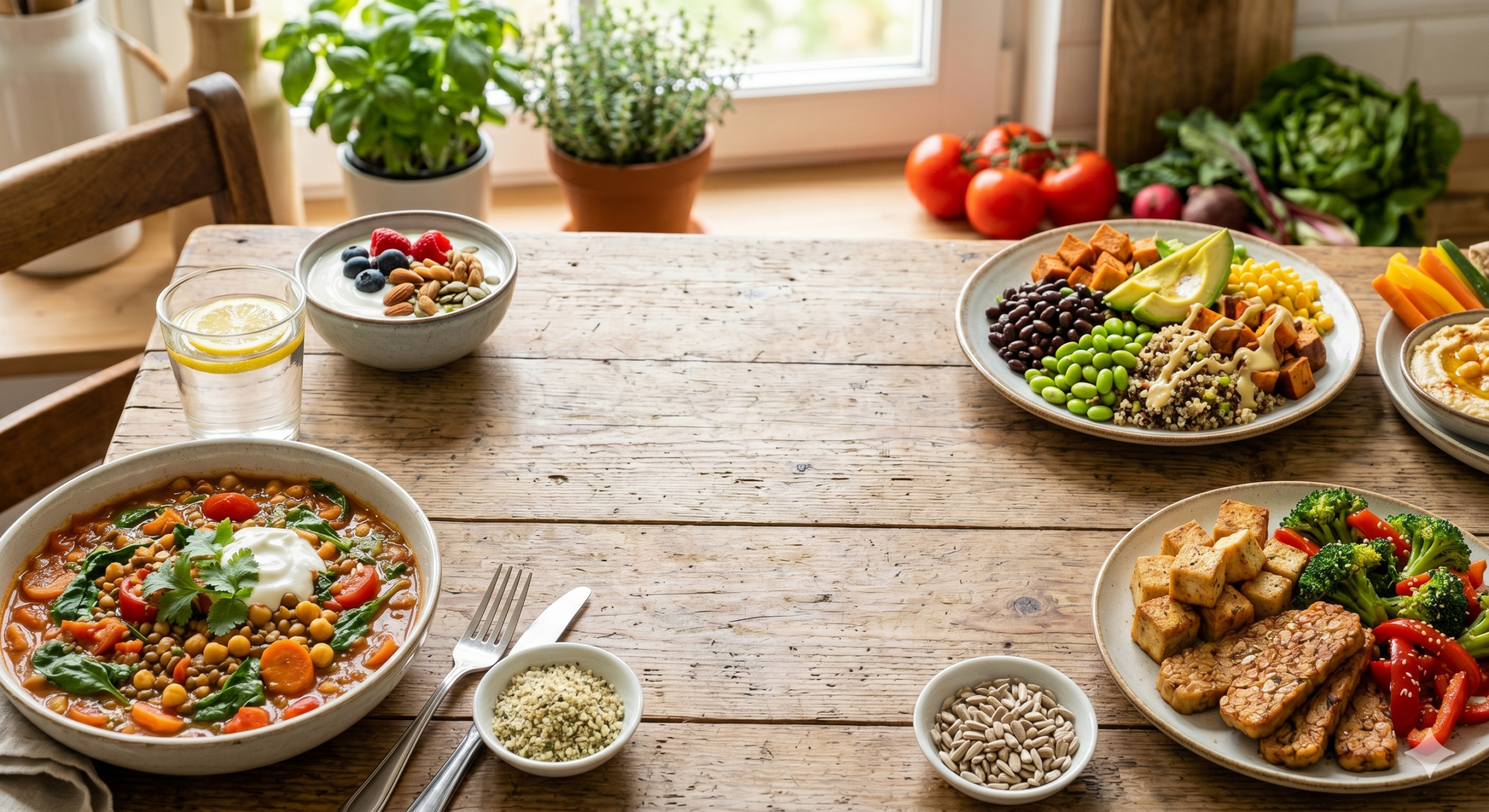
A high protein vegetarian meal plan for weight loss is a structured eating approach that replaces animal proteins with plant-based and dairy alternatives tempeh, lentils, Greek yogurt, paneer, eggs, cottage cheese, and legumes while targeting 80-100g of protein per day. High protein intake suppresses hunger hormones, protects muscle mass during a calorie deficit, and produces more consistent fat loss compared to standard low-calorie diets. This 7-day plan is built around 1,500-1,800 calories daily, with each main meal delivering 22-30g of protein.
This guide gives you a complete, practical, no-fluff week of eating. Real meals. Actual macros. Prep strategies that don’t require you to spend your entire Sunday in the kitchen. And context around why any of this matters especially if you’re working toward meaningful, lasting weight loss.
Why a High-Protein Vegetarian Diet Plan Actually Works for Weight Loss
Before the meal plan itself, it’s worth spending two minutes on the science. Not because you need a lecture, but because understanding this will change how you build your plate every single day.
Protein is the only macronutrient that actively fights hunger. When you eat enough protein, your body releases satiety hormones GLP-1, PYY, and CCK that genuinely suppress appetite. At the same time, it lowers ghrelin, the hormone that triggers the “I need to eat right now” feeling. So when your meals are anchored by protein, you eat less overall not because you’re restricting yourself, but because you’re simply not as hungry.
Protein protects your muscle while you lose fat. This is the part most people miss. When you’re in a calorie deficit, your body will break down both fat and muscle for energy if given the chance. Eating 80–100g of protein per day signals your body to preserve that muscle which keeps your metabolism faster and your body composition leaner as the weight comes off.
A vegetarian high protein meal plan has an extra edge. Plant-based proteins come packaged with fibre, complex carbs, and micronutrients that animal proteins often don’t. You’re not just getting protein from lentils you’re getting iron, folate, and 15 grams of fibre in the same cup. That matters for gut health, energy, and satiety far beyond what the protein number alone shows.
The Best High Protein Vegetarian Foods for Weight Loss (With Exact Protein Counts)
Here’s the honest list no filler, just the foods that will carry your protein targets:
| Food | Serving Size | Protein | Bonus Nutrients |
| Tempeh | 100g | 21g | Probiotics, calcium, B vitamins |
| Greek yogurt (plain) | 1 cup (240g) | 17–20g | Calcium, probiotics |
| Cottage cheese | ½ cup (113g) | 14g | Casein (slow-digesting), calcium |
| Edamame | 1 cup (155g) | 17g | Complete protein, fibre, iron |
| Lentils (cooked) | 1 cup (198g) | 18g | Iron, folate, 16g fibre |
| Low-fat paneer | 100g | 18g | Calcium, versatile for cooking |
| Chickpeas (cooked) | 1 cup (164g) | 15g | Fibre, zinc, folate |
| Firm tofu | 100g | 10–12g | Complete protein, iron |
| Eggs | 2 large | 12g | Complete protein, choline |
| Quinoa (cooked) | 1 cup (185g) | 8g | Complete protein, magnesium |
| Black beans (cooked) | 1 cup (172g) | 15g | Fibre, potassium |
| Seitan | 100g | 25g | Very high protein, low fat |
| Low-fat milk | 1 cup (240ml) | 8g | Calcium, B12 |
| Peanut butter | 2 tbsp | 8g | Healthy fats, filling |
| Hemp seeds | 3 tbsp | 10g | Complete protein, omega-3 |
The strategy isn’t to eat all of these every day. It’s to rotate 5-6 of them consistently so you hit your protein targets without eating the same thing twice in a row.
How Many Calories Should You Actually Be Eating?
The 1,500-1,800 calorie range in this plan works well as a starting point, but your ideal intake depends on your weight, height, age, activity level, and how much you’re looking to lose. Before you commit to a number, use BodEvolve’s calorie calculator for weight loss to get a personalized daily target. Pairing that number with the high-protein structure in this plan gives you both the calorie framework and the macro strategy to make consistent progress.
High Protein Vegetarian Weight Loss Meal Plan: Your Complete 7-Day Blueprint
This plan is designed for approximately 1,500-1,800 calories per day and 80-100g of protein daily a range that supports fat loss while preserving muscle. Portions can be scaled up or down based on your size, activity level, and goals.
Monday
| Meal | Food | Protein |
| Breakfast | Whipped cottage cheese bowl blend ½ cup cottage cheese smooth, top with sliced banana, 1 tbsp hemp seeds, and a drizzle of almond butter | ~22g |
| Lunch | Lentil and roasted vegetable soup (1.5 cups) with 1 boiled egg on the side | ~26g |
| Dinner | Paneer tikka masala with ½ cup quinoa and roasted broccoli | ~30g |
| Snack | 1 cup edamame with sea salt | ~17g |
| Daily Total | ~95g |
Why this works: You front-load protein at breakfast with cottage cheese a casein-based protein that digests slowly and keeps you full until lunch. Dinner hits 30g in one meal through paneer, which is the highest-protein dairy available.
Tuesday
| Meal | Food | Protein |
| Breakfast | 3-egg scramble with sautéed mushrooms, spinach, and feta on one slice of wholegrain toast | ~24g |
| Lunch | Chickpea and roasted pepper bowl over baby kale with tahini dressing and 30g feta | ~22g |
| Dinner | Baked sesame tempeh with bok choy, snap peas, and brown rice | ~28g |
| Snack | Greek yogurt (¾ cup plain) with a handful of walnuts | ~18g |
| Daily Total | ~92g |
Why this works: Tempeh at dinner is a protein powerhouse with 21g per 100g, and it’s fermented which means it’s also doing good things for your gut microbiome at the same time.
Wednesday
| Meal | Food | Protein |
| Breakfast | Plant protein smoothie 1 scoop pea protein powder, 1 cup soy milk, ½ frozen banana, 1 tbsp peanut butter, handful spinach | ~28g |
| Lunch | Black bean and sweet potato burrito bowl with salsa, guacamole, and Greek yogurt instead of sour cream | ~21g |
| Dinner | Tofu and vegetable stir-fry in tamari-ginger sauce over soba noodles | ~24g |
| Snack | 2 hard-boiled eggs + hummus (3 tbsp) with celery sticks | ~16g |
| Daily Total | ~89g |
Why this works: Wednesday is a lower-effort day the smoothie takes 3 minutes, the burrito bowl can be batch-prepped on Sunday, and the stir-fry is 15 minutes. High protein doesn’t have to mean high effort.
Thursday
| Meal | Food | Protein |
| Breakfast | Greek yogurt overnight oats ½ cup oats, ¾ cup Greek yogurt, 1 tbsp chia seeds, berries, cinnamon (prepared the night before) | ~23g |
| Lunch | Saag paneer (home-cooked or from a trusted source) with ¼ cup brown rice | ~26g |
| Dinner | Lentil and vegetable dal with a small serving of roti or brown rice | ~22g |
| Snack | 1 cup low-fat milk blended with 1 scoop chocolate protein powder | ~20g |
| Daily Total | ~91g |
Why this works: Thursday leans into Indian-style cooking, which happens to be one of the most naturally protein-dense vegetarian cuisines in the world. Dal and saag paneer aren’t just nutritious they’re genuinely filling and satisfying.
Friday
| Meal | Food | Protein |
| Breakfast | Seitan breakfast scramble with diced peppers, onion, and turmeric | ~30g |
| Lunch | Three-bean salad (chickpeas, edamame, white beans) with cucumber, red onion, feta, and lemon-olive oil dressing | ~25g |
| Dinner | Egg and vegetable frittata (3 eggs, courgette, cherry tomatoes, goat’s cheese) with a side salad | ~24g |
| Snack | Cottage cheese (½ cup) with sliced cucumber and a pinch of chilli flakes | ~14g |
| Daily Total | ~93g |
Why this works: Friday’s three-bean salad is a meal prep hero make a large batch and use it across two days. It gets better as it sits. The frittata is a high-protein, low-calorie dinner that actually tastes like something you’d order at a café.
Saturday
| Meal | Food | Protein |
| Breakfast | Protein pancakes 2 eggs, ½ cup cottage cheese, ½ cup oats, blended and cooked like regular pancakes. Top with Greek yogurt and berries | ~26g |
| Lunch | Miso soup with silken tofu, seaweed, and a side of edamame | ~20g |
| Dinner | Chickpea and spinach curry with low-fat paneer cubes, served with cauliflower rice or small portion of basmati | ~28g |
| Snack | 1 apple with 2 tbsp peanut butter | ~8g |
| Daily Total | ~82g |
Why this works: Saturday is intentionally more relaxed the protein pancakes feel like a treat but deliver 26g at breakfast. The curry is cosy, filling, and deeply satisfying without being heavy.
Sunday
| Meal | Food | Protein |
| Breakfast | Avocado and poached eggs on rye toast (2 eggs) with 100g smoked cottage cheese on the side | ~22g |
| Lunch | Leftover chickpea curry from Saturday + extra greens | ~24g |
| Dinner | Vegetable and paneer kebabs grilled in the oven, with a Greek yogurt mint dip and tabbouleh salad | ~28g |
| Snack | Handful of mixed nuts + 1 boiled egg | ~12g |
| Daily Total | ~86g |
Why this works: Sunday uses leftovers cleverly and finishes the week on a high. The kebabs and yogurt dip feel like proper food not diet food. That distinction matters a lot for long-term adherence. Some post-bariatric patients also ask about alternating low-carb days. If that sounds like your goal, reviewing a carb cycling meal plan with your dietitian can help you understand where carb timing fits into your recovery stage.
Your Complete Vegetarian High Protein Meal Plan Grocery List
No need to hunt through the meal plan individually. Here’s everything you need for the week:
Proteins:
- Tempeh (200g)
- Firm tofu (400g)
- Seitan (200g)
- Low-fat paneer (400g)
- Eggs (12 large)
- Greek yogurt, plain (1 large tub, ~750g)
- Cottage cheese (500g)
- Edamame, frozen (2 cups)
- Chickpeas, tinned or dried (2 cans or 400g dried)
- Lentils, dried (300g)
- Black beans, tinned (1 can)
Grains & Complex Carbs:
- Quinoa (200g)
- Brown rice (300g)
- Rolled oats (400g)
- Rye bread or wholegrain bread (1 loaf)
- Soba noodles (200g)
Vegetables & Fruits:
- Spinach, fresh (2 large bags)
- Baby kale (1 bag)
- Broccoli (2 heads)
- Mushrooms (300g)
- Cherry tomatoes (2 punnets)
- Cucumber (2)
- Bell peppers (4, mixed colours)
- Sweet potato (2 medium)
- Courgette (2)
- Avocado (2)
- Banana, berries (for smoothies/breakfasts)
Fats & Flavour:
- Almond butter or peanut butter
- Hemp seeds, chia seeds
- Walnuts, mixed nuts
- Tahini
- Olive oil, sesame oil, tamari sauce
- Feta cheese (150g), goat’s cheese (100g)
- Hummus (200g)
- Pea protein powder or plant protein powder (1 bag)
Eating 80-100 grams of protein daily tells your body to keep your muscles, which helps speed up your metabolism and keeps you leaner as you lose weight. For people who’ve had bariatric surgery, meeting these protein goals is super important. There’s a bariatric meal guide that lays out the necessary protein amounts and suggests ways to arrange meals after the operation.
5 Rules That Make a High-Protein Vegetarian Diet Plan Actually Stick
A meal plan is only useful if you follow it. Here’s what separates people who hit their protein targets every week from those who don’t.
- Protein comes first, literally. At every meal, eat your protein source before anything else on the plate. This is especially important if your stomach capacity is limited whether naturally or post-surgery. Getting the protein in before you fill up on rice or bread ensures you don’t leave the table having eaten mostly carbs.
- Batch cook your proteins on Sunday. Spend 45 minutes not 4 hours, just 45 minutes on Sunday cooking a pot of lentils, baking a tray of tempeh, and boiling a batch of eggs. With these three things ready in the fridge, every meal during the week becomes assembly rather than cooking. This is the single biggest predictor of whether someone follows a plan or abandons it by Wednesday.
- Stop treating snacks as an afterthought. A Greek yogurt with hemp seeds or cottage cheese with cucumber is a 15g protein hit in under 2 minutes. Planned snacks aren’t cheating they’re part of the architecture of your nutrition. Without them, you’ll end up eating whatever’s in arm’s reach when hunger strikes.
- Use soy milk instead of water in smoothies. One of the easiest protein upgrades with zero additional effort. Swapping 1 cup of water for 1 cup of unsweetened soy milk adds 7g of complete protein per smoothie. Over a week, that’s nearly 50g you weren’t getting before.
- Don’t over-complicate dinners. The meals that stick are the ones that are genuinely easy to make after a full day of work. Stir-fries, curries, egg dishes, grain bowls all under 20 minutes, all high in protein, all repeatable without getting boring.
When Diet Alone Isn’t Enough: Bariatric Surgery Options at BodEvolve Texas
Here’s something that doesn’t get talked about honestly enough in the weight loss space: for some people, no meal plan however well-designed will produce the results they’re looking for on its own.
Things like elevated ghrelin levels, insulin resistance, metabolic adaptation from years of dieting, and hormonal imbalances can make the standard “eat less, move more” approach feel like sprinting in concrete shoes. You’re doing everything right, and the scale barely moves. Or it moves, and then it all comes back.
At BodEvolve Bariatric, the team led by dr Frenzel, who is triple board-certified and dual fellowship-trained in bariatric surgery works with patients across the DFW area who are dealing with exactly this situation. The conversation starts with understanding your full metabolic picture, not just handing you another diet plan.
For patients whose weight is significantly affecting their health, quality of life, or both, gastric bypass surgery addresses the biological drivers of obesity directly. It reduces the size of the stomach, reroutes the digestive tract, and fundamentally changes how hunger hormones are regulated. It’s not a shortcut it’s a metabolic reset that makes long-term weight loss biologically achievable in a way it wasn’t before.
Gastric sleeve surgery takes a different approach: removing approximately 75–80% of the stomach, reducing both capacity and ghrelin production. Patients consistently report that their hunger levels drop dramatically not from willpower, but from physiology.
Both procedures pair exceptionally well with a high protein vegetarian meal plan. Post-bariatric nutrition guidelines recommend 60–80g of protein per day, and plant-based high-protein eating is one of the most sustainable and gut-friendly ways to hit that target.
Our clinics are conveniently located across Texas. Whether you’re in Arlington, Richardson, Dallas, or Texarkana, there’s a BodEvolve team ready to help you figure out the right path forward.
High Protein Vegetarian Meal Plan After Bariatric Surgery: What Changes
If you’ve already had bariatric surgery or you’re preparing for a procedure a high protein vegetarian meal plan absolutely works for you. But there are a few modifications worth knowing.
Your volume is smaller, so your protein density matters more. After surgery, you might be eating 3–4 oz at a time. That means every bite has to be working hard. Prioritise the protein sources with the highest protein-to-volume ratio: cottage cheese, Greek yogurt, tempeh, paneer, and eggs.
Soft textures are essential in the first months. Silken tofu, blended lentil soup, scrambled eggs, Greek yogurt, and smooth cottage cheese are all gentle on a healing stomach. Hard-to-chew textures like raw tempeh or chunky vegetables come later, as your dietary stages progress.
Watch for nutrient gaps vegetarian diets can create. Iron, B12, zinc, and calcium are all nutrients that bariatric patients need to monitor closely and that vegetarian diets can be lower in. Work with your bariatric dietitian to check your bloodwork regularly and supplement strategically.
Plant-based protein shakes become a powerful tool. On days when appetite is low, a shake built on pea, rice, or hemp protein with soy milk gives you 25–35g of protein in one glass without any chewing required. Keep a batch ready.
The Bigger Picture: What Real Weight Loss Looks Like
There’s a version of this that gets sold to people relentlessly the transformation that happens in 30 days, the before-and-after photo where everything is perfect, the story that conveniently skips the hard bits.
Real weight loss is messier. There are weeks where the scale doesn’t move. There are days where you eat three biscuits at 10pm and wonder if any of it is worth it. There are hormones and stress and sleep and a hundred other variables that don’t care about your plan.
What works what actually, consistently works over years, not weeks is building a way of eating that you can live with. Not one that requires perfect discipline or an unsustainable level of effort. A high protein vegetarian meal plan done well becomes that kind of eating pattern. It’s filling, it’s flexible, it’s varied enough not to be boring, and it gives your body the building blocks it needs to change and sustain that change.
Many of the patients we see at BodEvolve have spent years trying everything and arriving at our doors not because they failed, but because they needed tools their previous approaches couldn’t offer. If you want to read about what real transformations look like, our weight loss success stories page shares those journeys honestly, including the parts that aren’t always in the highlight reel.
And if you’ve ever found yourself wondering whether the reason you struggle isn’t willpower but biology, our post on can you lose weight without exercise gets into exactly that the metabolic and hormonal factors that make weight loss harder for some people than others, and what actually moves the needle.
