
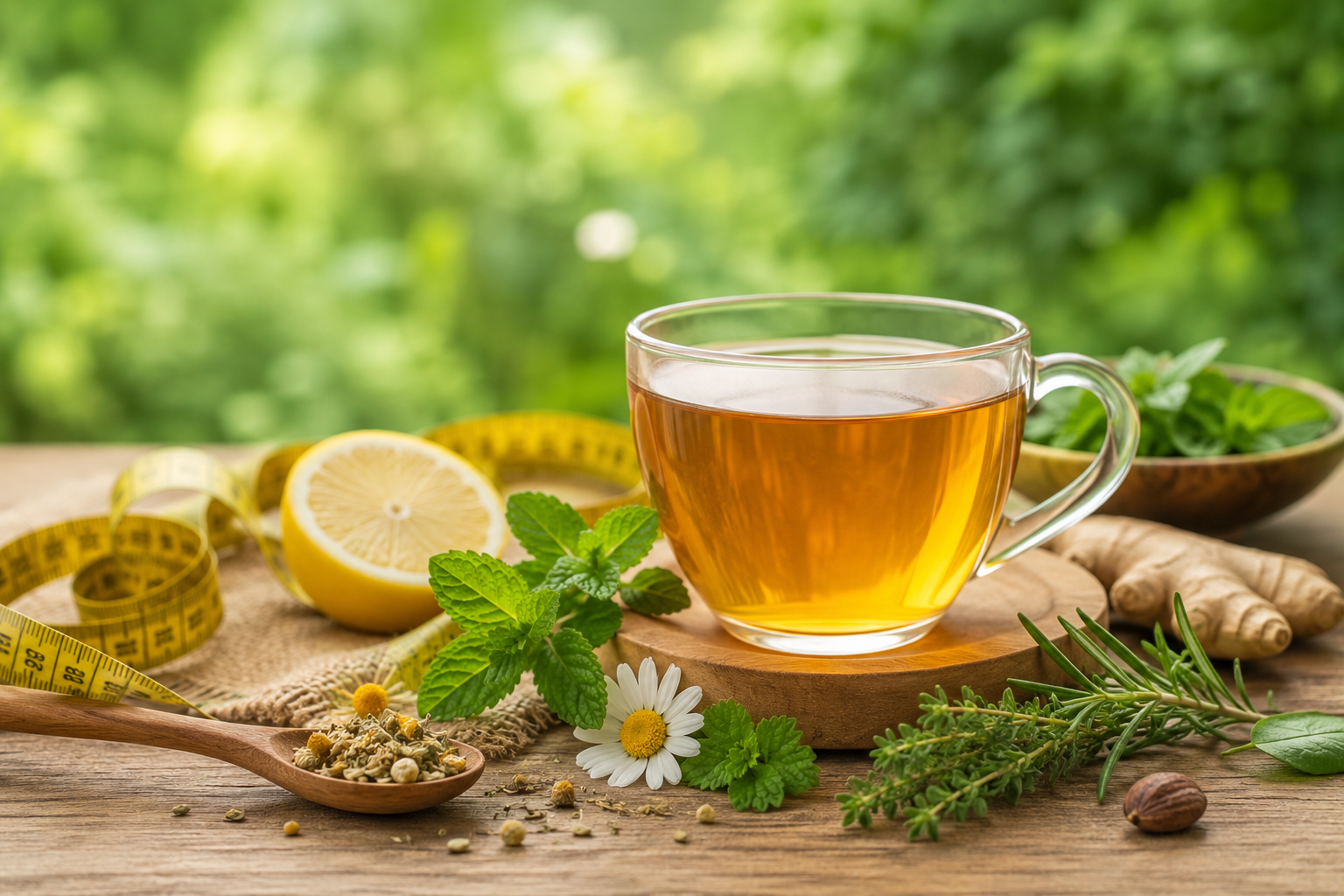
Herbal tea for weight loss is one of the simplest, low-calorie habits you can add to a bigger plan to slim down, and yes, certain varieties really can support metabolism, curb cravings, and help you drink less soda or juice throughout the day. That said, no cup is a magic fix. Think of it as a helpful sidekick that works best when paired with balanced meals, movement, and, for some patients, medical support. At BodEvolve Bariatric, our team led by Dr. Clayton Frenzel, MD, FACS, FASMBS, and Dr. Brian Holt has seen how small daily swaps like this add up over the long haul.
Is Herbal Tea Good for Weight Loss?
Short answer: yes, when it is used the right way. Herbal teas are naturally low or zero calorie, hydrating, and many contain plant compounds that gently support digestion and appetite control.
What the research suggests
Studies on ingredients like green tea catechins, hibiscus, and ginger point to small but real effects on fat oxidation and blood sugar response. The wins are modest, so anyone expecting drastic drops from a mug alone will be let down.
Where it fits in a real routine
Swapping a 250-calorie flavored latte for an unsweetened cup of tea saves close to 1,750 calories a week. That kind of change compounds fast, especially if you struggle with liquid calories in your day.
A note on quality
Loose-leaf and single-origin blends usually have stronger active compounds than dusty bags from the back of the pantry. Freshness matters, and so does steep time.
Benefits of Herbal Tea for Weight Loss
The perks go beyond the number on the scale, which is part of why our patients keep coming back to their favorite blends after their program with us.
Appetite and cravings
Warm liquids fill the stomach and slow your eating pace, which helps you register fullness cues sooner. Peppermint and fennel are especially useful for taming sweet cravings after dinner.
Digestion and bloat
Ginger, chamomile, and dandelion have been used for generations to ease bloating and support the body’s natural detox pathways. If you feel puffy by evening, an after-meal cup can offer real relief.
Hydration without sugar
Many people mistake thirst for hunger. Drinking two to three cups of unsweetened tea daily keeps you hydrated without the sugar load of flavored waters or sports drinks. If you are exploring GLP-1 medications for weight loss or building post-surgery habits, this swap fits right in.
Common Herbal Teas and Their Weight-Loss Roles
| Tea | Main Compound | Best Used For |
| Green tea | EGCG catechins | Fat oxidation, morning focus |
| Hibiscus | Anthocyanins | Blood pressure, water balance |
| Peppermint | Menthol | Craving control, digestion |
| Ginger | Gingerols | Nausea, blood sugar |
| Rooibos | Aspalathin | Stress eating, evening use |
| Oolong | Polyphenols | Metabolism support |
Best Herbal Tea for Weight Loss
If we had to pick one clear winner, it would be green tea, but the best cup for you depends on your goal that day.
Green tea for a metabolism nudge
Backed by more research than almost any other beverage, green tea’s catechins pair nicely with light activity like a morning walk. Look for matcha or sencha for a stronger effect and a cleaner flavor.
Hibiscus for water retention
Slightly tart and refreshing, hibiscus works especially well iced. It has been studied for its mild diuretic effect and blood pressure support, both of which matter during a weight loss phase.
Peppermint for evening cravings
When the 9 pm snack urge hits, a hot cup of peppermint often shuts it down. No calories, no caffeine, and it doubles as a sleep-friendly wind-down that our patients love after gastric sleeve surgery.
Herbal Teas for Weight Loss: Top Varieties Worth Rotating
Cycling through a few teas keeps the habit fresh and stops any single ingredient from getting boring or losing its edge.
Rooibos
Naturally sweet with zero caffeine, rooibos is a smart pick for anyone who reaches for cookies with their after-dinner drink. That natural sweetness quiets the urge for real sugar.
Oolong
Sitting between green and black tea, oolong shows promise for helping the body burn slightly more calories through the day, particularly when sipped before meals.
Dandelion root
Earthy and grounding, dandelions support liver and kidney function. Patients recovering from gastric bypass surgery often say it settles their stomach and reduces the puffy feeling that comes with recovery.
Caffeine Content by Tea Type
| Tea | Caffeine (per 8 oz) | Best Time to Drink |
| Green tea | 25 to 45 mg | Morning to early afternoon |
| Oolong | 30 to 50 mg | Morning or pre-workout |
| Hibiscus | 0 mg | Anytime |
| Peppermint | 0 mg | Evening |
| Rooibos | 0 mg | Evening |
| Ginger | 0 mg | After meals |
Best Herbal Tea to Drink for Weight Loss by Time of Day
Timing your cup matters more than most people realize. Matching the right tea to the right hour makes the habit easier to stick with for months on end.
Morning: green or oolong
Start with a caffeinated herbal option to sharpen focus and reduce the urge for a sugary coffee drink first thing.
Afternoon: hibiscus or ginger
These support digestion after lunch and keep your energy stable through the 3 pm slump without the crash of another coffee.
Evening: chamomile, peppermint, or rooibos
Wind-down teas that reduce late-night snacking and support better sleep. That last part matters because poor sleep is one of the most underrated drivers of stalled weight loss, something we cover in our post on sleep and long-term weight loss.
Suggested Daily Tea Routine
| Time | Suggested Tea | Purpose |
| 7 to 9 AM | Green tea | Metabolism, focus |
| 12 to 2 PM | Hibiscus | Digestion, hydration |
| 3 to 5 PM | Ginger | Blood sugar balance |
| 8 to 10 PM | Chamomile | Sleep, craving control |
Are Herbal Teas Good for Weight Loss on Their Own?
This is where honesty matters. If someone drinks five cups of tea a day but keeps ordering fast food four nights a week, the tea will not save them from that pattern.
What tea can do
It can replace sugary drinks, curb light hunger, support hydration, and ease digestion. Those are all real, measurable wins that stack up over time.
What tea cannot do
It will not offset a diet built around ultra-processed food, and it will not deliver the results of proven medical weight-loss options for patients with obesity. For those dealing with a BMI over 35 or related health issues, procedures like duodenal switch surgery, SADI-S, and revision bariatric surgery can offer results that lifestyle habits alone rarely match.
Combining tea with a real plan
The best outcomes come when tea sits inside a fuller plan: sensible portions, protein-forward meals, daily movement, quality sleep, and, when appropriate, medical guidance from a qualified team. For a fuller list of daily swaps, take a look at our guide to foods that support long-term weight loss and our roundup of best drinks after bariatric surgery.
Herbal Tea vs. Medical Weight-Loss Approaches
| Approach | Typical Result | Best Fit |
| Herbal tea only | 1 to 3 lb over months | Mild cases, maintenance |
| Diet plus exercise | 5 to 10% body weight | Healthy adults, overweight |
| GLP-1 medications | 10 to 15% body weight | Moderate obesity |
| Bariatric surgery | 25 to 35% body weight | Class II to III obesity |
Building a Habit That Lasts With BodEvolve
Herbal tea for weight loss is a small habit with a big edge: it costs little, feels good, and folds into any schedule without much effort. Whether you are just cutting soda or preparing for a full procedure with our team, a daily cup can support your progress in ways that add up quietly over time. Under the care of Dr. Clayton Frenzel and Dr. Brian Holt, our patients get honest guidance, careful planning, and the follow-through that lasting results actually need. If you are ready to take the next step, visit us at our Arlington, Richardson, Dallas, or Texarkana locations or book your consultation at the nearest office to you to talk through the right plan for your body and your goals.
