
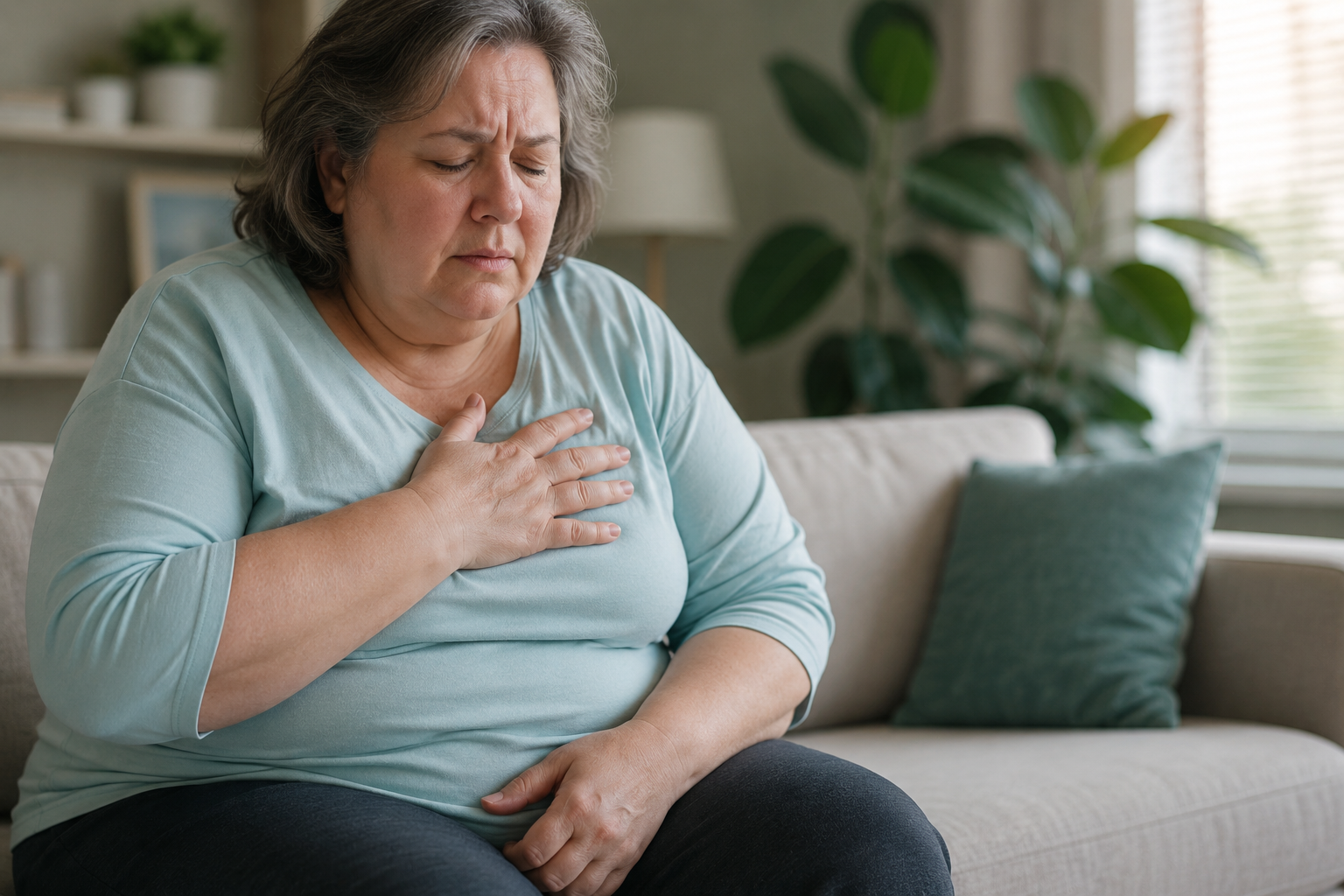
Heart failure and weight loss are more closely connected than most people realize, and shedding excess pounds is one of the fastest ways to give a struggling heart room to work again. If your cardiologist has flagged your weight as a factor, you are not alone, and you are not out of options. At BodEvolve, Dr. Clayton Frenzel and Dr. Brian Holt have helped thousands of North Texans quietly reverse the direction of obesity-related cardiac issues through carefully chosen bariatric and medical weight loss paths. This guide walks through what is actually happening inside your chest, and what a real recovery plan looks like.
Congestive Heart Failure and Weight Loss
Congestive heart failure and weight loss share a two-way relationship. Extra body weight forces the heart to pump harder, and over the years that strain thickens the walls and slowly weakens the muscle. On the flip side, deliberate weight loss can drop that workload almost right away.
Why the Heart Struggles When Weight Climbs
Every extra pound of tissue needs oxygen. More tissue means more blood, higher pressure, and a heart that never really gets a break. Layer in sleep apnea and high blood pressure, both very common in obesity, and the risk of CHF climbs quickly.
How Losing Weight Eases the Burden
Even a 10 percent drop in body weight can lower blood pressure, cut fluid retention, and improve ejection fraction. Patients often report better sleep and easier breathing within weeks. For patients with a BMI over 35, gastric sleeve surgery remains one of the most studied procedures for measurable cardiac improvement.
Common Cardiac Changes After Sustained Weight Loss
| Marker | Before Weight Loss | 12 Months Later |
| Blood Pressure | Often 140/90 or higher | Frequently normalizes |
| Resting Heart Rate | 85 to 95 bpm | 65 to 75 bpm |
| Ejection Fraction | Reduced | Improved in most patients |
| Sleep Apnea Events | High nightly count | Around 90% see resolution |
Heart Disease and Weight Loss
The overlap between heart failure and weight loss shows up in almost every cardiac risk chart. Body weight is one of the very few heart disease risk factors patients can actively change, which is why more cardiologists now treat obesity as a driver of illness, not a personal failing.
The Link Doctors See Every Day
Fatty tissue is not passive. It releases inflammatory chemicals that damage blood vessels, thicken artery walls, and push cholesterol in the wrong direction. That is why so many bariatric patients arrive with pre-diabetes, high LDL, and rising blood pressure all at once.
When Bariatric Surgery Becomes a Heart-Saving Option
For patients who have tried diet and exercise without lasting results, gastric bypass surgery offers some of the strongest cardiovascular outcomes on record. Long-term studies have shown gastric bypass patients cut their risk of a major cardiac event by nearly half over a decade.
Weight Loss and Congestive Heart Failure
Heart failure and weight loss recovery often move on the same timeline. Cardiologists frequently coordinate with our team so patients can lose weight safely without stressing an already tired heart, and the results speak for themselves.
What Research Shows Post-Surgery
Peer-reviewed data suggests bariatric procedures can reduce heart failure hospitalizations by up to 40 percent in eligible patients. Ejection fraction gains of 5 to 10 points are also fairly common inside the first year.
Improvements Patients Notice First
Most people feel the shift before the scale confirms it. Less swelling around the ankles. Walking to the mailbox without pausing. Sleeping flat again instead of propped up on three pillows. These small wins matter just as much as any lab number.
Heart Failure Symptoms and How Weight Loss Affects Them
| Symptom | Impact of Sustained Weight Loss |
| Shortness of breath | Significant reduction |
| Ankle and leg swelling | Usually resolves |
| Daily fatigue | Steady improvement |
| Palpitations | Fewer episodes |
| Chest tightness | Reduced frequency |
Heart Problems and Weight Loss
Heart problems and weight loss should always be handled by a coordinated care team. Rapid, unsupervised weight loss can actually worsen certain cardiac conditions, which is exactly why medical supervision matters so much.
Common Cardiac Issues Tied to Obesity
Atrial fibrillation, coronary artery disease, and left ventricular hypertrophy all show up more often in patients carrying significant excess weight. Sleep apnea sits right underneath many of these diagnoses, quietly making everything worse night after night.
Medical vs. Surgical Paths at BodEvolve
Not every patient is a surgical candidate on day one. For those who are not, our medical weight management program offers physician-led plans, FDA-approved medications, and nutrition guidance. Patients who have had prior weight loss surgery but hit a plateau can also explore revision weight loss surgery with our team.
Diet for Healthy Heart and Weight Loss
A smart diet for a healthy heart and weight loss really does not need to be complicated. The plate that helps you lose fat is almost identical to the one that protects your arteries.
Foods That Protect the Heart
Lean proteins, leafy greens, berries, oats, fatty fish, olive oil, and legumes are the foundation. A well-built salad packed with protein and fiber can knock out lunch and lipids in one shot. Sipping black coffee for weight loss without added sugar has also been linked to lower cardiovascular risk in moderate daily amounts.
Foods to Keep Off the Plate
Ultra-processed snacks, deep-fried items, sugary drinks, and excess sodium are the usual suspects. Even things marketed as healthy, like flavored yogurts or granola bars, can carry hidden sugars that spike triglycerides.
Heart-Smart Everyday Swaps
| Instead of This | Choose This |
| Fried chicken | Grilled or baked chicken |
| Butter on toast | Avocado or olive oil |
| Sugary soda | Water or unsweetened tea |
| White rice | Quinoa or cauliflower rice |
| Regular chips | Air-popped popcorn |
Weight Loss and Heart Health
Weight loss and heart health improvements often outlast the initial pounds lost. The habits patients build during a structured program are usually what protect the heart years down the road.
Long-Term Wins Beyond the Scale
Better sleep, steadier blood sugar, a lower resting heart rate, and shorter medication lists are all common long-term outcomes. Many patients cut their daily prescriptions in half within the first year.
What BodEvolve’s Program Includes
Every BodEvolve patient works with a bariatric surgeon, a nutritionist, and a support team across the full weight loss journey. We also help patients build simple daily habits around portions, hydration, and cravings, so heart-friendly eating starts feeling automatic instead of forced.
BodEvolve Procedures at a Glance
| Procedure | Best For | Average Excess Weight Loss |
| Gastric Sleeve | First-time patients, BMI 35+ | 60 to 70% |
| Gastric Bypass | Diabetes and heart risk | 70 to 80% |
| Duodenal Switch | Severe obesity | 80 to 90% |
| SADI-S | Simplified switch procedure | 75 to 85% |
Ready to Protect Your Heart with BodEvolve?
Heart failure and weight loss recovery starts with one honest conversation, and the sooner you have it, the more your heart has to gain. Dr. Clayton Frenzel and Dr. Brian Holt have spent years helping DFW patients reclaim their cardiac health through carefully personalized care. Whether you visit our Dallas, Arlington, Richardson and Texarkana office, our team is ready to build a plan around your goals, your history, and your heart. Book a consultation today and take the first real step toward a stronger, lighter, healthier version of you.
