
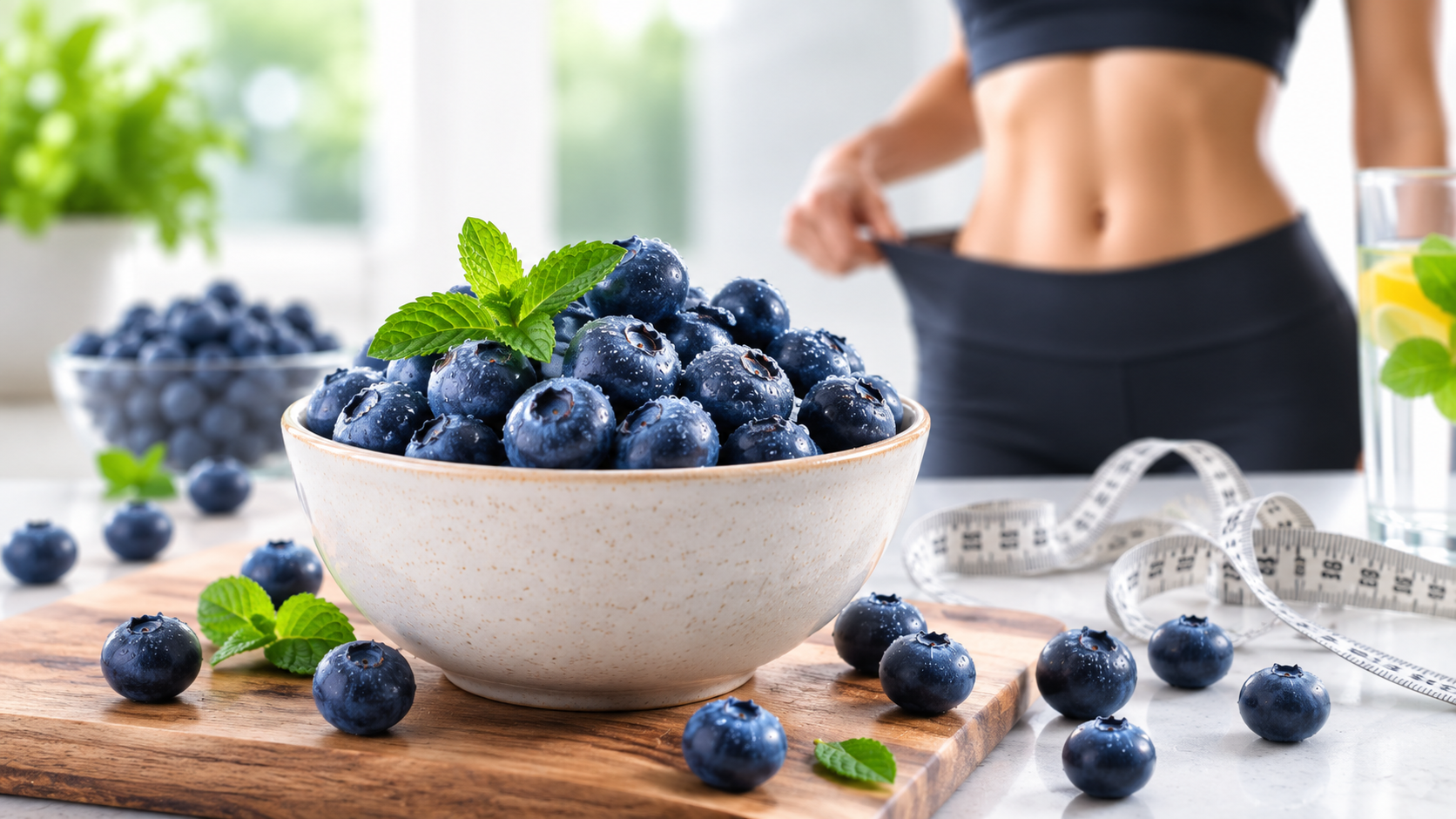
Blueberries for weight loss have earned their reputation the honest way, through real nutrition science and everyday results people can feel. These tiny berries are low in calories, high in fiber, and loaded with plant compounds called anthocyanins that seem to nudge the body toward better fat metabolism. At BodEvolve Bariatric, Dr. Clayton Frenzel and Dr. Brian Holt often tell patients that no single food is a miracle. But the right foods, eaten the right way, absolutely speed up the progress you are already working for. Blueberries happen to be one of those foods. Whether you are prepping for surgery, healing after one, or just trying to lose that stubborn 15 pounds on your own, understanding how this fruit fits your day can genuinely change your results. And the best part is, you do not need a fancy diet plan or a supplement stack to make it work. A cup a day, eaten at the right time and paired with the right foods, is usually enough to start noticing a difference in appetite and energy.
Are Blueberries Good for Weight Loss?
Short answer, yes. Blueberries tick almost every box a dietitian looks for in a weight friendly food. They are low in calories, rich in fiber, sweet enough to feel like a treat, and packed with compounds that support your metabolism from the inside out.
Low Calories, High Volume
A full cup of blueberries has about 84 calories. Compare that to a small handful of crackers or half a chocolate bar and the win is obvious. You get real volume on your plate without piling on energy your body has to work off later.
Fiber That Keeps You Full
Each cup gives you close to 3.6 grams of fiber. Fiber slows digestion, smooths blood sugar spikes, and tells your brain you are full sooner than usual. Patients thinking about a gastric sleeve procedure or a gastric bypass benefit even more, since fiber rich foods help train a smaller stomach to feel satisfied on smaller meals.
Anthocyanins and Fat Storage
That deep blue color is not just pretty. Anthocyanins are the plant pigments behind it, and studies suggest they may reduce fat storage and improve insulin sensitivity, especially around the belly area. Which is exactly the kind of stubborn weight most people struggle with the most. That is also the same area many patients want to address further through options like an abdominoplasty procedure once they have hit their weight goals.
| Nutrient (per 1 cup) | Amount |
| Calories | 84 |
| Fiber | 3.6 g |
| Natural sugar | 15 g |
| Vitamin C | 24% DV |
| Vitamin K | 36% DV |
Is Blueberries Good for Weight Loss? A Closer Look at the Science
Beyond the basic nutrition panel, the research behind this fruit goes surprisingly deep, and it keeps pointing in the same direction.
What Studies Actually Show
Several papers in the Journal of Nutrition have linked steady berry intake with lower body weight, smaller waist size, and better cholesterol numbers over time. The effect was never dramatic in one week. It added up quietly across months of consistent eating, which is honestly how most real weight loss works anyway. People often expect fireworks in the first ten days and then give up when the scale barely moves. Blueberries are not that kind of food. They are the slow, steady kind that pays you back later.
Blood Sugar and Insulin Response
Blueberries have a low glycemic index of around 53. That matters because sharp blood sugar spikes trigger insulin, and insulin surges tell your body to hold on to fat. For anyone dealing with insulin resistance, or exploring GLP-1 medications for weight loss, keeping glucose steady is half the game.
A Practical Comparison
Sometimes it helps to see how blueberries stack up next to other common fruits people reach for during a weight loss plan.
| Fruit (1 cup) | Calories | Fiber | Glycemic Index |
| Blueberries | 84 | 3.6 g | 53 |
| Strawberries | 49 | 3.0 g | 41 |
| Grapes | 104 | 1.4 g | 59 |
| Banana | 134 | 3.1 g | 62 |
Best Time to Eat Blueberries for Weight Loss
Timing is not magic. But it does shape how the same fruit affects your hunger, your energy, and your cravings across the day.
Morning for a Metabolism Friendly Start
Add half a cup to breakfast and pair it with protein like Greek yogurt or eggs. That combo keeps morning hunger from turning into a mid morning snack raid two hours later. It also sets a steady tone for the rest of the day.
Pre Workout for Steady Energy
A small handful about 30 to 45 minutes before you exercise gives you clean glucose without the heaviness of a full meal. Bariatric patients following the post op nutrition guide and find this especially useful once they are cleared for light movement.
Evening as a Sweet Tooth Rescue
Late night cravings quietly ruin a lot of diets. Frozen blueberries with a spoon of cottage cheese satisfy that sugar urge without the crash that follows a bowl of ice cream. It sounds simple, and it works.
| Time of Day | Best Pairing | Purpose |
| Breakfast | Greek yogurt, oats | Sustained energy |
| Pre-workout | Almond butter | Fuel without heaviness |
| Afternoon snack | Cottage cheese | Protein plus fiber |
| Evening | Chia pudding | Curb sweet cravings |
Are Frozen Blueberries Good for Weight Loss?
Yes, and in some cases they are even better than fresh ones. Which surprises a lot of people.
Nutrition After Freezing
Frozen blueberries hold on to almost all of their fiber, vitamin C, and anthocyanin content. Fruit is usually frozen within hours of picking, which locks in nutrients that fresh berries can quietly lose during long shipping and days on a grocery shelf.
Convenience and Cost
A bag of frozen blueberries costs less per serving, lasts for months, and does not spoil when life gets busy. That reliability matters when you are trying to build steady habits after surgery, or during a medical weight loss program that stretches over several months.
When Fresh Still Wins
Fresh berries have the edge in salads, parfaits, and anywhere the texture matters. Freezing softens the skin a bit, so frozen ones work better in smoothies, oatmeal, or baked recipes where texture is not the main event. Honestly, most people end up keeping both on hand. Fresh for the week, frozen for the backup when the fresh ones run out on a Wednesday night.
How to Eat Blueberries for Weight Loss
Portion, pairing, and prep all decide whether this fruit works for you or quietly against you. Even good foods can be misused.
Smart Portion Sizes
Half a cup to one cup per serving is the sweet spot. Beyond that, natural sugars start to add up, especially if you are eating other fruit during the day. Moderation still matters, even with the good stuff.
Pairings That Actually Work
Match blueberries with protein or a healthy fat to slow sugar absorption. Try them with almonds, Greek yogurt, cottage cheese, or a scoop of protein powder in a smoothie. Patients recovering from a duodenal switch procedure or a lap band surgery often find these balanced combos help them feel satisfied on smaller portions, which is the whole point after surgery.
What to Skip
Blueberry muffins, syrups, and sweetened cereals defeat the purpose completely. Even flavored yogurts labeled blueberry usually have more added sugar than actual fruit. Stick to whole berries whenever you can, fresh or frozen.
| Pairing | Why It Works |
| Blueberries plus Greek yogurt | Protein slows sugar release |
| Blueberries plus almonds | Fat improves satiety |
| Blueberries plus oats | Fiber layered on fiber |
| Blueberries plus cottage cheese | High protein, low calorie |
Building a Sustainable Plan at BodEvolve Bariatric
Blueberries for weight loss are one small piece of a much bigger picture, and the team at BodEvolve Bariatric helps patients put that whole picture together. Under the guidance of Dr. Clayton Frenzel and Dr. Brian Holt, the practice combines surgical expertise with nutrition planning, post op support, and long term follow up so results actually last. A daily cup of blueberries will support your progress, but real sustainable weight loss usually needs a real plan behind it. If you are ready to explore your options, the team sees patients across Arlington, Richardson, Dallas, or Texarkana. Book a consultation and together the team will build a plan that fits your goals, your health history, and your everyday life.
