
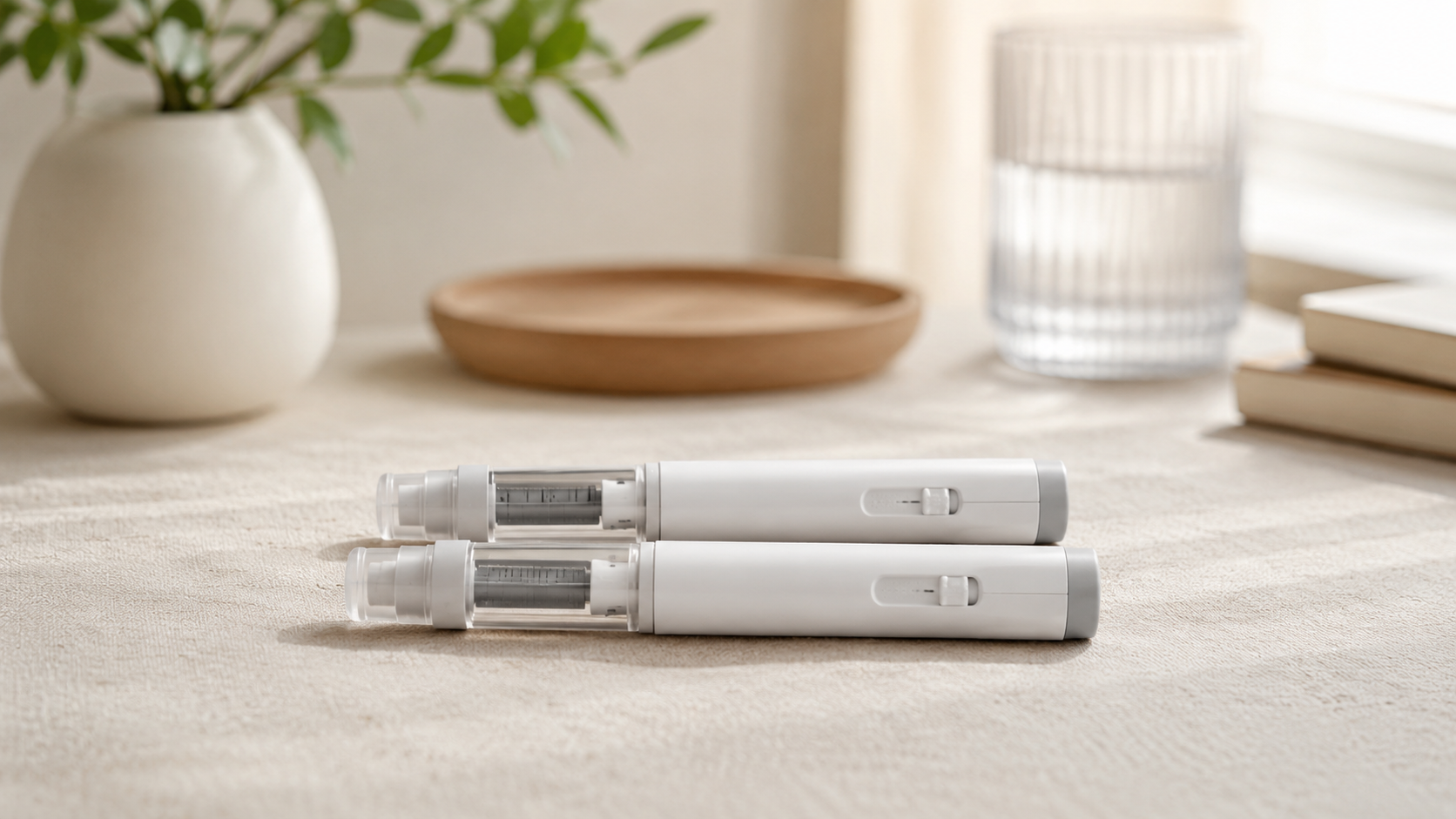
Zepbound vs Mounjaro are two medications that people are talking about a lot. Many patients are confused about these medications. It is understandable why they are confused. Mounjaro and Zepbound have the active ingredient, which is called tirzepatide. They are made by the company, which is Eli Lilly. They also work in the way. The main differences between Mounjaro and Zepbound are the reasons they are prescribed their brand names and the people they are marketed to.
At BodEvolve Bariatric Surgery Center in Texas, Dr. Frenzel and Dr. Holt often talk to patients who are taking Mounjaro or Zepbound. These patients are spending a lot of money around $1,000 to $1,400 every month on injections. However they are still having problems with their weight and health. The truth is, for many of these patients surgery can actually fix the underlying problems that are causing their weight issues. This means they would not need to take injections anymore.
This guide is going to give patients an understanding of Mounjaro and Zepbound. It will also help them think about whether these medicationsre the right choice for them in the long run.
Mounjaro vs Zepbound at a Glance
| Feature | Mounjaro | Zepbound |
|---|---|---|
| Active ingredient | Tirzepatide | Tirzepatide |
| Manufacturer | Eli Lilly | Eli Lilly |
| FDA approval | 2022 (Type 2 diabetes) | 2023 (Weight loss/obesity) |
| FDA-approved for | Type 2 diabetes | Chronic weight management |
| Frequency | Weekly injection | Weekly injection |
| Standard doses | 2.5, 5, 7.5, 10, 12.5, 15 mg | 2.5, 5, 7.5, 10, 12.5, 15 mg |
| Average weight loss (1 year) | 15–20% body weight | 18–22% body weight (in obesity trials) |
| Cash price (monthly) | $1,000–1,200 | $1,000–1,400 |
| Insurance coverage for weight loss | Limited (off-label) | Increasing (FDA-approved indication) |
| Insurance coverage for diabetes | Strong | Limited |
| Side effect profile | Identical | Identical |
| Dosing schedule | Identical | Identical |
| Mechanism | GLP-1 + GIP receptor agonist | GLP-1 + GIP receptor agonist |
The reality of the matter: Mounjaro and Zepbound are pharmacologically the same drug. Any distinction lies solely in their administrative details (FDA indication, insurance coverage, etc.), not in their clinical profile. In most cases, patients considering these two drugs simply make a choice between different brands of the same substance.
What becomes relevant to patients who have a BMI ≥ 35: Is taking tirzepatide the way to go or should bariatric surgery be considered instead?
What Is Mounjaro and What Is Zepbound?
The real answer to the question “What is Mounjaro vs Zepbound?” begins with the simple fact that Mounjaro and Zepbound are the same drug. Tirzepatide is the active component of both drugs. Tirzepatide was developed by Eli Lilly as a dual-agonist drug that acts on both GLP-1 and GIP receptors. It underwent clinical trials for two different FDA indications:
A. Mounjaro is used to treat type 2 diabetes; the approval occurred in May 2022.
B. Zepbound is used for chronic weight management; the approval occurred in November 2023.
The medication, the dose, and the delivery system are identical. The difference lies only in the names, which are required for legal and marketing purposes.
Two brand names but one drug- why is that?
Reasons for two brand names include:
- FDA approvals involve different labeling requirements
- The target audience is different for the two medications
- Coverage for medications differs between health plans based on indication
- Prescriptions for the treatment of diabetes differ from prescriptions for weight loss
What is Mounjaro? Mounjaro is the trade name for tirzepatide when used to treat Type 2 diabetes mellitus. It became available in mid-2022.
What is Zepbound? Zepbound is the trade name for tirzepatide when used to manage the weight of adults with obesity (BMI ≥ 30) or overweight (BMI ≥ 27) in the presence of an additional health condition. Zepbound gained FDA approval in November 2023.
If you want more information about this drug class, read the article how tirzepatide works for weight loss?
Are Mounjaro and Zepbound the Same Ingredient?
This is the most frequently asked question by patients concerning these two medicines, and the answer is very important, as yes, both Mounjaro and Zepbound have precisely the same active ingredient- tirzepatide.
Comparing the ingredients:
| Component | Mounjaro | Zepbound |
|---|---|---|
| Active ingredient | Tirzepatide | Tirzepatide |
| Inactive ingredients | Sodium chloride, sodium phosphate dibasic heptahydrate, glycerin, hydrochloric acid, sodium hydroxide, water | Sodium chloride, sodium phosphate dibasic heptahydrate, glycerin, hydrochloric acid, sodium hydroxide, water |
| Injection device | Single-dose pre-filled pen | Single-dose pre-filled pen |
| Storage requirements | Refrigerated 36–46°F (2–8°C) | Refrigerated 36–46°F (2–8°C) |
Difference in ingredients between Zepbound and Mounjaro- what you should know:
The ingredients used in drugs are exactly the same. The formula of drugs does not differ. There will be absolutely no differences when you switch to another similar drug at the same dosage.
Tirzepatide included in both drugs:
Both Mounjaro and Zepbound include tirzepatide, an agonist that stimulates the action of:
1. GLP-1 receptors (as in Ozempic, Wegovy, Trulicity, Victoza)
2. GIP receptors (the only agonist affecting GIP receptors among the existing weight loss drugs)
It is due to such a two-way effect on receptors that tirzepatide is more effective than other weight loss drugs including Ozempic and Wegovy.
For more details on differences between semaglutide vs tirzepatide guide.
Mounjaro vs Zepbound Weight Loss
An intriguing aspect of the Mounjaro vs Zepbound weight loss is that because they both have the same medication in the same doses, the results of the weight loss are pretty much the same.
Average weight loss comparison:
| Time Point | Mounjaro Patients (Type 2 Diabetes Trials) | Zepbound Patients (Obesity Trials) |
|---|---|---|
| Month 3 | 5–7% body weight | 7–10% body weight |
| Month 6 | 10–13% body weight | 12–15% body weight |
| Month 12 | 15–20% body weight | 18–22% body weight |
| Month 18 | 15–22% body weight | 20–25% body weight |
What causes this small discrepancy in numbers? The reason lies in the fact that the clinical trials used obese patients (high body mass index = more fat to reduce), whereas Mounjaro was tested on people with Type 2 diabetes (body mass index may be lower). Efficiency is the same, given equal dosages; the only difference is the patient base.
Zepbound vs Mounjaro weight loss– comparison for the same patient:
Should one patient use Mounjaro 15 mg weekly instead of Zepbound 15 mg weekly, he would notice no difference. The difference is the brand name, not the efficiency of the drug.
Tirzepatide compared to other weight loss medications:
| Treatment | Average Weight Loss at 1 Year |
|---|---|
| Mounjaro / Zepbound (15 mg) | 18–22% body weight |
| Wegovy (semaglutide 2.4 mg) | 14–17% body weight |
| Ozempic (semaglutide 1–2 mg) | 8–12% body weight |
| Trulicity (dulaglutide) | 5–8% body weight |
| Farxiga (dapagliflozin) | 2–3% body weight |
| Gastric sleeve surgery | 25–30% body weight |
| Gastric bypass surgery | 30–35% body weight |
Honest truth about weight loss:
Tirzepatide (Mounjaro/Zepbound) is currently the most powerful weight loss drug on the market. However, it needs:
A lifetime of weekly shots to sustain its effects
$1,000-$1,400 per month
The weight comes back after you stop taking it
Up to 18-22% reduction of body weight compared to 30-35% for gastric bypass surgery
When considering lifelong treatment and people with a BMI of at least 35, bariatric surgery allows one to lose more weight AND no injections are required anymore.
Mounjaro vs Zepbound Cost
Cost comparison of Mounjaro vs Zepbound reflects the most realistic difference between these two medications, despite their identical nature.
Comparison of cash prices (2026):
| Medication | Cash Price (4-Pen Monthly Supply) | Annual Cost | 5-Year Cost |
|---|---|---|---|
| Mounjaro | $1,000–1,200 | $12,000–14,400 | $60,000–72,000 |
| Zepbound | $1,000–1,400 | $12,000–16,800 | $60,000–84,000 |
Why is there any difference at all? The company has set the Zepbound price a little higher than that of Mounjaro. However, due to manufacturer rebates, insurance cover, and discount programs, they end up being almost similar.
The place you can see the difference is when it comes to Insurance coverage:
| Patient Profile | Mounjaro Coverage | Zepbound Coverage |
|---|---|---|
| Type 2 diabetes | Strong (typically Tier 2–3) | Limited (off-label) |
| Obesity without diabetes | Limited (off-label) | Increasing (FDA-approved) |
| Pre-diabetes only | Mixed | Mixed |
| Medicare Part D | Yes for diabetes | Variable for weight loss |
| Commercial insurance | Plan-dependent | Plan-dependent |
Honesty in insurance coverage:
If the patient has type 2 diabetes, chances are that he will be able to obtain Mounjaro with reasonable copay amounts ($25-$100 per month). If, however, the same patient uses the exact same drug under the name “Zepbound” for weight loss purposes, then he may find himself with the drug being either too expensive or not covered at all.
Manufacturers’ help:
Eli Lilly has provided some savings programs to decrease the patients’ financial burden:
1. Mounjaro Savings Program: Insured patients will only pay $25 per month
2. Zepbound Savings Program: Insured patients will only pay $25 per month
3. There are limitations such as inability to offer help to the patients under government plans including Medicare, Medicaid, and other government insurance programs
Costs associated with 5 years of treatment:
A patient paying from his own pocket to use Mounjaro or Zepbound costs between $60,000-$84,000 in only 5 years. This cost is increased to $120,000-$168,000 after 10 years and up to $240
| Procedure | One-Time Cost (Self-Pay) |
|---|---|
| Gastric Sleeve Surgery | $12,000–18,000 |
| Gastric Bypass Surgery | $15,000–25,000 |
| Duodenal Switch | $20,000–30,000 |
| SADI Surgery | $20,000–30,000 |
The cold hard facts about the mathematics of this situation:
A self-pay patient being treated for up to 12-18 months with tirzepatide (Mounjaro or Zepbound) is already way over the total cost of undergoing bariatric surgery self-pay. In 2-3 years after getting injections, the cost discrepancy will be enormous. If considering the full life span of therapy which lasts 20-30 years, tirzepatide is 10-15 times more costly than surgical intervention.
For exact costs, refer to our tirzepatide cost guide.
Mounjaro vs Zepbound Side Effects
Comparing side effects of Mounjaro and Zepbound is quite easy because the side effects are the same since both drugs have the same main ingredient, but in the same amount.
Side effects (both medications):
| Side Effect | Frequency |
|---|---|
| Nausea | 25–31% of patients |
| Diarrhea | 19–23% |
| Vomiting | 12–17% |
| Constipation | 9–15% |
| Decreased appetite | 10–15% |
| Abdominal pain | 6–10% |
| Indigestion | 8–12% |
| Fatigue | 5–8% |
| Injection site reactions | 5–8% |
The pattern of side effects:
The majority of gastrointestinal side effects are dose-dependent. Side effects usually begin with a dose of 2.5mg, and they become more prominent when increasing the dose to 5mg, 7.5mg, 10mg, 12.5mg, and 15mg. The majority of patients tolerate each dose during 2-4 weeks.
Rarer and potentially dangerous side effects:
- Pancreatitis — very rare but serious
- Problems related to gallbladder such as cholelithiasis (gallstones) — higher risk with fast weight reduction (like after bariatric surgery)
- Impairment in kidney function – especially in dehydrated patients
- C-cell tumors in the thyroid gland – boxed warning due to animal studies (rare in humans)
- Potential allergic reaction – rare
- Hypoglycemia – when using together with insulin or sulfonylurea medication
Side effects of Mounjaro vs Zepbound – an honest perspective:
There is no distinction between side effects of Mounjaro and Zepbound as they have identical formulations. Patients switching between Mounjaro and Zepbound at the same dose will face similar side effects.
Bariatric surgery side effects comparison:
| Treatment | Side Effect Pattern |
|---|---|
| Mounjaro/Zepbound | Ongoing GI side effects throughout treatment duration, including recurring nausea and dose-related symptoms |
| Bariatric Surgery | Surgical recovery period (typically 2–4 weeks), followed by minimal ongoing side effects for most patients |
Mounjaro vs Zepbound Dosing
Mounjaro vs Zepbound dosing comparison: same dosage increase process, same maximal dosage, same injection plan.
Dosage increase for both drugs:
| Week | Dose |
|---|---|
| Weeks 1–4 | 2.5 mg weekly (starting dose) |
| Weeks 5–8 | 5 mg weekly |
| Weeks 9–12 | 7.5 mg weekly (if needed) |
| Weeks 13–16 | 10 mg weekly (if needed) |
| Weeks 17–20 | 12.5 mg weekly (if needed) |
| Weeks 21+ | 15 mg weekly (maximum dose) |
Mounjaro vs Zepbound vs Ozempic vs Wegovy
Those patients who compare mounjaro to zepbound to ozempic to wegovy are considering the whole range of today’s GLP-1 weight-loss drugs.
Comparison of all four:
| Medication | Active Ingredient | FDA Indication | Weight Loss (1 Year) | Cash Price (Monthly) |
|---|---|---|---|---|
| Mounjaro / Zepbound | Tirzepatide | Diabetes / Obesity | 18–22% | $1,000–1,400 |
| Wegovy | Semaglutide 2.4 mg | Obesity | 14–17% | $1,300–1,400 |
| Ozempic | Semaglutide 1–2 mg | Diabetes | 8–12% | $900–1,000 |
Mechanism difference:
1. Mounjaro/Zepbound: Stimulates GLP-1 and GIP receptors
2. Wegovy/Ozempic: Stimulates GLP-1 receptors only
This dual action gives tirzepatide an edge over semaglutide as far as weight loss is concerned.
What Patients Are Saying: Mounjaro vs Zepbound Reddit and Forums
Patients’ discussions on Reddit and similar forums give insight into some similarities in mounjaro vs zepbound reddit and zepbound vs mounjaro reddit arguments:
Observations by patients:
“I used to take Mounjaro to control my diabetes, then moved to Zepbound for weight loss – the exact same thing, only different documentation”
“The dosage, side effects, and injection method are the same; only the packaging differs”
“Insurance paid for Mounjaro but not Zepbound, which is why my prescription remained the same despite using it to lose weight”
“The pharmacy provided Zepbound after my stock of Mounjaro ran out; the difference does not exist”
“Why two different brands of one medication? That’s really confusing”
Which Is Better: Mounjaro or Zepbound?
Neither “which is better Mounjaro or Zepbound and zepbound vs Mounjaro” can be clinically answered because both are the same medication.
Honest choice criteria:
Mounjaro if:
- You have diabetes type 2
- The medication is covered by your insurance (it usually is if you have diabetes)
- Weight loss is secondary to managing diabetes
- You prefer the drug that has been on the market longer
Zepbound if:
- You need an FDA-approved weight loss treatment
- You suffer from obesity without diabetes
- Your insurance covers Zepbound (more often nowadays)
- Weight loss is primary
Effectively, both medications are the same when used by the same patient and in the same doses.
The true deciding factors are:
From a clinical standpoint, the selection between Mounjaro and Zepbound can be explained by:
- Insurance – which one is on formulary
- Indication – diabetes or obesity
- Manufacturers’ aid programs – eligibility varies
- Drug supply – occasional shortages impact one brand differently
- Prescribing habits – Mounjaro prescribed to diabetics; Zepbound prescribed for weight loss
The truthful message competitors cannot provide:
For those who have BMI > 35 and are unsure whether to pick Mounjaro or Zepbound, the real issue is recognizing that the two drugs are in fact one – and asking the larger question – is this therapy the way to go? Bariatric surgery for Type 2 diabetes will fix the cause of the problem in 80-90% of those who qualify, making any tirzepatide irrelevant.
Compounded Tirzepatide vs Brand Name Mounjaro/Zepbound
Those seeking information about compounded tirzepatide versus branded mounjaro zepbound are usually looking for cheaper options. And an honest comparison should be provided.
What is compounded tirzepatide?
Compounded tirzepatide is a version of the drug that was produced not by FDA but by specialized compounding pharmacies. When there was the official Eli Lilly tirzepatide shortage (in 2023-2024), FDA gave permissions to compound tirzepatide for patients’ needs.
The 2024-2025 compounded tirzepatide situation:
In October 2024, FDA stated that the tirzepatide shortage was over. According to FDA data from 2026, mass production of tirzepatide by compounding pharmacies is no longer allowed, although some compounding pharmacies still provide the drug for prescription purposes.
Comparison of compounded and brand-name tirzepatide:
| Factor | Compounded Tirzepatide | Brand Name Mounjaro/Zepbound |
|---|---|---|
| Active Ingredient | Tirzepatide (typically) | Tirzepatide |
| Manufacturing Standards | Variable, pharmacy-dependent | FDA-regulated cGMP standards |
| Purity Verification | Limited third-party verification | Full FDA oversight |
| Dosing Precision | Variable | Standardized |
| Cost | $200–500/month | $1,000–1,400/month |
| FDA Approval | No | Yes |
| Insurance Coverage | None | Often covered |
Why Many Mounjaro/Zepbound Patients Eventually Choose Bariatric Surgery
Why Most People Taking Mounjaro/Zepbound End Up Opting for Bariatric Surgery
Here’s the truth that other companies try to gloss over – but it needs to be addressed because it’s the real-world scenario.
Patient path through years 1-5:
Year 1: Onboarded to Mounjaro/Zepbound therapy. Lost weight successfully (~15-20%), improved biomarkers, feeling optimistic. Injections are bearable. Financial burden in year one is covered by insurance or copay card.
Year 2: Plateaued and still committed. Lost ~18-22% of body weight. Understands that they have to stay on the drug forever. Formulary changes could mean higher out-of-pocket expenses. Costs rise.
Years 3-4: Cost becomes a big burden. Patient has now invested ~$30,000-50,000 in their ongoing treatment with tirzepatide (depends on their insurance situation). Quality of life issues arise because of chronic GI side effects. Fears about safety data – which doesn’t currently exist for 10+ years of use – develop.
Year 5+: Time for an honest assessment. Figures out that the next 10-20 years of their life will be costing anywhere from ~$120,000 to ~$280,000 in injections. Realizes that stopping medication would result in weight regain. Consults a bariatric surgeon.
Outcome after surgery:
For 80-90% of gastric bypass patients with Type 2 diabetes, bariatric surgery provides complete or near-complete resolution of their diabetes. Patients lose 30-35% of body weight (higher than with tirzepatide), no longer need any GLP-1 drugs, metformin or other anti-diabetes medications, and the costs become lifelong.
Why this approach happens so frequently:
The medical path is almost never presented as a “temporary” measure. In fact, most patients expect to stay on tirzepatide forever. Only later do they come to understand that surgery provides better results and eliminates the need for medications altogether.
The patient situation where surgery becomes superior:
BMI ≥ 35 (or BMI ≥ 30 with Type 2 diabetes or other conditions)
Already using Mounjaro or Zepbound
Suffering from high OOP cost
Worried about decades of injections ahead
Desire to resolve problem, not manage forever
In such cases, patients find themselves eligible for BMI for bariatric surgery e which costs less than 2-3 years of tirzepatide while providing better results.
The Long-Term Cost Reality: Tirzepatide vs Bariatric Surgery
Patients with BMI ≥ 35: The long-term costs when comparing Mounjaro/Zepbound with bariatric surgery are decisive.
5-year cumulative costs for Mounjaro/Zepbound:
| Coverage Type | 5-Year Total Cost |
|---|---|
| Cash, No Assistance | $60,000–84,000 |
| Commercial Insurance, No Savings Card | $3,000–12,000 |
| Commercial Insurance with Savings Card | $1,500–3,000 |
| Medicare (Limited Weight Loss Coverage) | $30,000–60,000 |
| Self-Pay with Manufacturer Assistance | $12,000–30,000 |
Compared to bariatric surgery cost:
| Procedure | One-Time Cost (Self-Pay) |
|---|---|
| Gastric Sleeve Surgery | $12,000–18,000 |
| Gastric Bypass Surgery | $15,000–25,000 |
| Duodenal Switch | $20,000–30,000 |
| SADI Surgery | $20,000–30,000 |
Honest numbers for 10 years and for a lifetime of tirzepatide:
$120,000-$168,000 for a patient buying tirzepatide for 10 years out-of-pocket, or 5-8 times the total cost of surgery done on self-pay basis.
$240,000-$336,000 for a patient buying tirzepatide for 20 years out-of-pocket, or sufficient amount to afford surgery, cosmetic work after the surgery, and extra healthcare:
| Factor | Mounjaro/Zepbound | Bariatric Surgery |
|---|---|---|
| Treatment Type | Disease management | Disease resolution |
| Duration | Lifelong injections | One-time procedure |
| Weight Loss | 18–22% body weight | 30–35% body weight |
| Type 2 Diabetes Effect | Manages but typically does not resolve | Resolves in 80–90% of cases (gastric bypass) |
| Long-Term Cost | $60,000–300,000+ over lifetime | $12,000–25,000 one-time cost |
| Ongoing Side Effects | Chronic gastrointestinal symptoms possible | Usually resolve after recovery period |
| Daily Commitment | Weekly injections indefinitely | One procedure with lifetime follow-up care |
Talk to a BodEvolve Bariatric Surgeon About the Permanent Alternative
Mounjaro and Zepbound: the comparison demonstrates the following. These are brand names of one drug produced by one pharmaceutical company. However, what the competitor companies will never tell you is that tirzepatide, whatever the brand, entails a lifelong therapy regimen and causes less weight loss compared to bariatric surgery for the right candidates.
As for patients using Mounjaro and Zepbound, or considering choosing either of these, the next step to make is determining which therapy will prove a superior choice overall. In case of surgery, the advantages are:
- 30-35% weight loss vs 18-22% weight loss from tirzepatide treatment
- Single-time cost ($12,000-25,000) vs constant tirzepatide cost ($60,000-300,000+ per year)
- 80-90% improvement in Type 2 diabetes treatment (gastric bypass) vs medication management only
- Lasting physical changes vs lifelong weekly injection treatment
- Free from future complications once fully recovered vs lifelong GI issues
The procedures that are most popular among those on or considering GLP-1 drugs:
Gastric sleeve surgery – 60%-70% excess weight loss, less complicated process
Gastric bypass surgery – 70%-80% excess weight loss, 80%-90% diabetes resolution
Duodenal switch – 80%-90% excess weight loss, most powerful diabetes resolution
SADI surgery– more modern approach with impressive results
The BodEvolve team often examines their patients who are on tirzepatide therapy and want to know if surgery would work better for them in the long term.
Patients from Dallas, Arlington, Richardson, Texarkana, and other DFW communities can contact them for a free consultation. They have successfully performed more than 14,000 procedures, are an ASMBS Center of Excellence accredited organization, and include board-certified bariatric surgeons Dr. Clayton Frenzel and Dr. Brian L. Holt.
Stop deciding between names and brands and think about getting a solution that will last forever.
Book Your Consultation
