
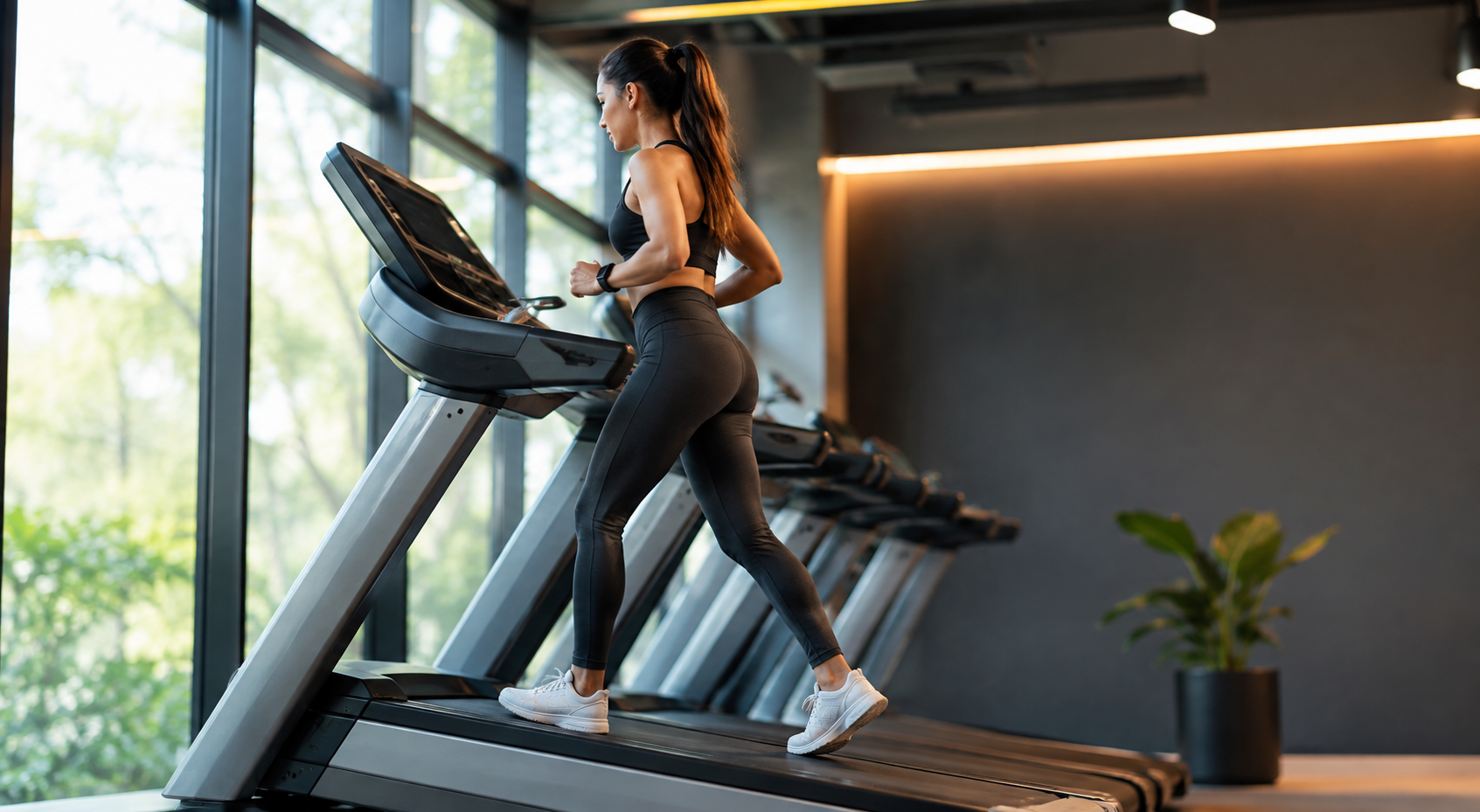
Incline walking for weight loss is one of the most effective low-impact exercises you can add to your daily routine, because it burns significantly more calories than flat walking while being gentle on your joints and helping build real strength in the legs, hips, and core. When you walk uphill, whether outdoors or on a treadmill, your body has to fight gravity, which pushes your heart rate into a fat-burning zone without the pounding stress that running usually brings along with it. For anyone focused on sustainable results, especially those working through a structured weight loss journey after bariatric care, this simple habit can deliver serious progress over time.

Is Incline Walking Good for Weight Loss?
Yes, and the science behind it is refreshingly simple. A steady incline forces your posterior chain, meaning your glutes, hamstrings, and calves, to work harder than usual, which raises your metabolic demand and helps your body tap into stored fat for fuel.
More calories burned in less time
Walking flat at 3 mph burns roughly 250 calories per hour for a 180-pound adult. Add a 10% incline at the same speed, and that number jumps closer to 450 calories. You get results similar to a light jog without the joint strain that usually tags along.
Better muscle activation
Uphill walking recruits nearly twice the muscle fiber of flat walking, particularly in the glutes and hamstrings. Stronger legs mean a higher resting metabolism, which quietly burns extra calories even after you have stepped off the treadmill and gone about your normal day.
Gentle on knees, ankles, and hips
For patients recovering from bariatric procedures such as our gastric sleeve or gastric bypass, incline walking gives real cardiovascular benefits without the joint pressure of running. That matters a lot when you are still rebuilding stamina in the early months.
Walking on Incline for Weight Loss: How to Do It Right
Walking on incline for weight loss works best when the intensity actually matches your fitness level. Beginners should start slow and build up gradually. Trying to sprint up a steep hill on day one usually leads to sore shins and skipped workouts by week two, which nobody wants.
Start with the right incline
Begin with a 4% to 6% incline at a comfortable walking pace. Once that feels easy, bump it up gradually week by week. Small increases go a long way over time.
Duration and frequency
Aim for 30 to 45 minutes, four to five days a week. Consistency beats intensity every single time when the real goal is steady fat loss.
A simple weekly incline walking plan
| Day | Duration | Incline | Speed (mph) |
| Monday | 30 min | 5% | 3.0 |
| Tuesday | 40 min | 4% | 3.2 |
| Wednesday | Rest or stretch | – | – |
| Thursday | 35 min | 6% | 3.0 |
| Friday | 45 min | 5% | 3.2 |
| Saturday | 30 min | 8% | 2.8 |
| Sunday | Outdoor easy walk | Flat | Easy pace |
Pair this schedule with the smart eating tips in our protein intake after bariatric surgery guide to see stronger, faster results.
Is Walking on an Incline Good for Weight Loss Over Time?
Is walking on an incline good for weight loss in the long run? Absolutely, and it gives you something most fad workouts never do, which is real sustainability. You can do it in your living room, at a local park, or during a lunch break, and that flexibility makes it easy to keep doing week after week without burning out.
Puts you in the fat-burning zone
An incline of 5% to 10% at a moderate pace keeps your heart rate in the 60% to 70% max range, which is exactly the sweet spot for steady fat oxidation.
Ideal for post-surgery recovery
Once Dr. Brian Holt or Dr. Clayton Frenzel clears you after a procedure like a duodenal switch or revision surgery, gentle incline walking can be reintroduced safely. Many of our patients begin with short 10-minute sessions and build from there at their own pace.
A long-term habit builder
Because it feels doable and never overwhelming, most people actually stick with it. That is where the real weight loss magic quietly happens, in the boring consistency nobody talks about. Our post on the best exercises after bariatric surgery offers structured routines you can easily pair with your walking plan.
Is Incline Walking on Treadmill Good for Weight Loss?
Is incline walking on treadmill good for weight loss when compared to outdoor hills? For most people, the answer is yes, mainly because you get to control every single variable of the workout without any surprises.
Precision you cannot get outdoors
You set the exact incline, speed, and duration. There is no wind slowing you down, no unexpected downhill stretch letting your heart rate drop, and no weather forcing you to reschedule the session.
Recommended incline settings
| Incline % | Feels Like | Best For |
| 1 to 3% | Slight slope | Warm-up, beginners |
| 4 to 6% | Moderate hill | Everyday fat burn |
| 7 to 10% | Steep climb | Advanced calorie burn |
| 12 to 15% | Mountain trail | Interval training |
Simple safety tips
Keep your posture upright, avoid gripping the handrails (which can cut your calorie burn by up to 20%), and hydrate throughout the session. If you have specific health concerns, bring them up during your BodEvolve consultation. Patients also find our post on low-impact exercises for weight loss helpful for building a well-rounded routine at home.
Running vs Incline Walking for Weight Loss
The running vs incline walking for weight loss debate comes up in almost every patient consultation we hold. Both work well, but they work very differently, and the right choice really depends on your body, your joints, and your long-term goals.
Calorie burn head to head
| Activity | Calories per Hour (180 lb adult) | Joint Impact |
| Flat walking (3 mph) | 250 | Very low |
| Incline walking (10%, 3 mph) | 450 | Low |
| Running (5 mph) | 550 | High |
| Running (6 mph) | 680 | Very high |
Joint stress and injury risk
Running sends up to three times your body weight through your knees with every stride. Incline walking sends less than 1.5 times. That difference adds up quickly over months of consistent training and can make or break a routine.
Which one is better after bariatric surgery
For most patients who have had a gastric balloon or sleeve, incline walking is the safer, more sustainable option by a wide margin. You get real cardio benefits without the impact. Our cardio vs strength training guide breaks the trade-offs down even further so you can plan smart from day one.
Start Your Weight Loss Journey With BodEvolve Bariatric
Incline walking for weight loss works best when it is part of a complete plan that includes smart nutrition, medical guidance, and, when it truly makes sense, surgical support from a trusted team. At BodEvolve Bariatric, Dr. Clayton Frenzel and Dr. Brian Holt help patients turn short-term weight loss into lifelong health through personalized, evidence-based care that respects your goals. Whether you are just beginning to explore a healthier lifestyle or looking for expert follow-up after surgery, our team walks with you at every step of the way. Visit us at our Arlington, Richardson, Dallas, or Texarkana locations to book your consultation and take the next confident step forward today.
