
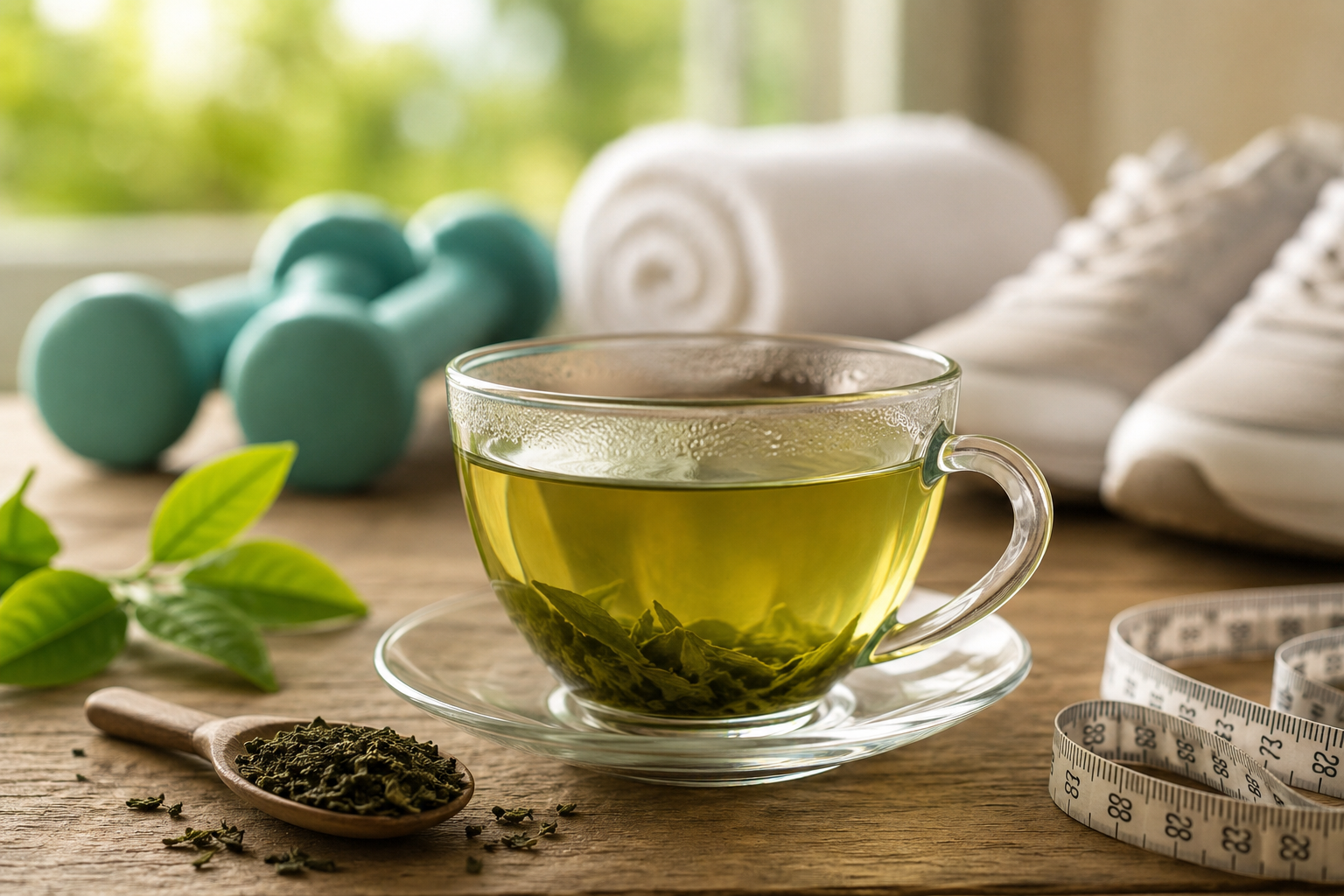
Green tea for weight loss is one of the most talked-about natural aids in the health and wellness world, and honestly, the conversation keeps growing for good reason. People reach for their morning cup hoping it will help speed up their metabolism, reduce stubborn fat, or at least give them a small edge while working toward a healthier body. But what is actually happening inside that cup, and how much can it realistically do for you? Let us get into it properly.
Green Tea for Weight Loss: What the Science Actually Says
The relationship between green tea and weight loss is real, but it deserves an honest framing. Green tea is not a miracle fat burner. It is a metabolic support tool, and it works best when paired with intentional lifestyle choices.
Green tea comes from the same plant as black tea. The difference is processing. Because green tea skips the oxidation step, it retains a much higher concentration of natural compounds called catechins, particularly EGCG (epigallocatechin gallate). These catechins, combined with a modest dose of caffeine, are why green tea keeps showing up in research on natural weight management.
The caffeine and EGCG work together rather than separately. Together, they gently raise your metabolic rate and help your body pull energy from fat cells more readily. Researchers have noted a modest but measurable bump in calorie burn, typically in the range of 80 to 100 extra calories per day with consistent consumption.
That might not sound like much. But when you stay consistent over weeks and months, that small daily shift adds up. And when paired with real behavioral changes, the effect becomes more meaningful. It is the same reason the BodEvolve team encourages patients to think about every healthy habit as part of a larger picture, not a standalone fix. If you are curious about how other food-based approaches hold up under scrutiny, the gelatin trick for weight loss is worth a read for your honest perspective.
How Green Tea Supports Fat Metabolism
- EGCG inhibits an enzyme that normally breaks down norepinephrine, keeping fat-burning signals active longer
- Caffeine amplifies thermogenesis, meaning your body generates slightly more heat and burns slightly more energy at rest
- Some studies show green tea may mildly reduce appetite, particularly before meals
- Regular consumption is linked to slightly lower overall body fat percentage over time compared to non-drinkers
For people managing pre-diabetes or insulin resistance alongside their weight, this matters even more. Blood sugar stability plays a direct role in fat storage, and green tea has been shown to modestly improve insulin sensitivity. If you want a deeper look at how blood sugar connects to weight, the post on pre-diabetes symptoms every woman should know is genuinely eye-opening.
How Green Tea for Weight Loss and Belly Fat Works Differently Depending on Your Hormonal Health
Most guides on green tea treat every reader the same. Drink two or three cups a day, stay consistent, and the results will follow. That framing holds up well enough for someone with a reasonably healthy metabolism. But for people dealing with insulin resistance, thyroid issues, or hormonal shifts after bariatric surgery, the picture changes in ways that are genuinely worth understanding before you build a daily habit around it.
Insulin Resistance Changes How EGCG Behaves in Your Body
When insulin sensitivity is low, your body has a harder time pulling energy from fat stores even when you are eating in a calorie deficit. Green tea for weight loss and belly fat works partly by improving how cells respond to insulin signals. For people who are already insulin resistant, this effect can actually be more significant than it is for someone with a healthy metabolism, simply because there is more room for improvement. Drinking green tea before a carbohydrate-heavy meal, rather than first thing on an empty stomach, may help soften the post-meal blood sugar spike that quietly drives belly fat accumulation in people with this condition.
Thyroid Function Affects How Much You Actually Get Out of Green Tea
Green tea’s thermogenic effect depends heavily on your baseline metabolic rate, and that rate is largely controlled by your thyroid. Patients with an underactive thyroid often find that caffeine delivers inconsistent results at best. Green tea may still support fat oxidation through its catechin activity in this group, but counting on the caffeine component to meaningfully raise calorie burn is unrealistic until thyroid levels are properly addressed. The catechins and the caffeine are doing two different jobs, and it helps to understand which one is actually available to you.
Post-Bariatric Patients Need a Different Approach Entirely
Caffeine tolerance shifts considerably after bariatric surgery. What felt like a manageable two-cup routine before the procedure can trigger heart palpitations, acid reflux, or absorption problems once the stomach is smaller and the digestive tract has been altered. Decaffeinated green tea is a practical solution here because it retains most of the EGCG content while removing the stimulant load that a post-surgical gut struggles to handle. This does not come up much in general green tea content, but it is one of the more practical things a post-op patient can know during the early and middle phases of their weight loss journey.
Green Tea for Weight Loss and Belly Fat: Effect by Metabolic Profile
Patient Profile | Primary Benefit from Green Tea | Best Timing | Key Consideration |
Healthy metabolism | Mild calorie burn, general fat oxidation | 30 min before exercise | Consistency matters more than timing |
Insulin resistant | Better glucose response, visceral fat reduction | Before carb-heavy meals | Avoid sugary additions entirely |
Hypothyroid | Catechin support, limited thermogenic effect | Any time, avoid evenings | Address thyroid first, tea second |
Post-bariatric patient | Antioxidant support, modest metabolism aid | Mid-morning, after a meal | Choose decaf to avoid acid reflux |
High cortisol or chronic stress | L-theanine calming effect, cortisol-linked fat support | Afternoon in place of coffee | Pair with broader stress management |
How to Make the Right Green Tea Weight Loss Drink and What Most People Get Wrong
Most people who try green tea for weight loss brew it the same way they would any regular tea and then wonder why nothing changes. The truth is, how you prepare your green tea weight loss drink matters almost as much as whether you drink it at all. Small preparation habits can either preserve or destroy most of the active compounds you are drinking it for in the first place.
The Temperature Problem Nobody Warns You About
Boiling water is the most common mistake. Water above 85 degrees Celsius breaks down a significant portion of EGCG before it ever reaches your cup. Letting your kettle cool for two to three minutes after boiling, or targeting around 75 to 80 degrees, protects the catechins that actually support fat metabolism.
What You Add Changes Everything
Adding milk, even a small splash, can bind to the catechins and reduce how much your body absorbs. A squeeze of lemon or a few drops of raw apple cider vinegar, on the other hand, stabilises EGCG in your digestive tract and improves absorption noticeably. Fresh ginger is another addition worth trying as it supports digestion and adds a mild thermogenic effect on its own.
Timing Your Green Tea Weight Loss Drink Around Your Day
Drinking green tea on a completely empty stomach first thing in the morning can cause nausea in some people, especially those with sensitive digestion. A better approach for most is to drink it 30 to 45 minutes after a light breakfast or about 30 minutes before a workout. This timing lines up with when your body is primed to use the caffeine and catechins most effectively for fat burning.
Cold Brew Green Tea Is Worth Trying
Cold brewing, which means steeping green tea leaves in cold water for six to eight hours in the fridge, actually preserves more antioxidants than hot brewing does. It is also naturally smoother and less bitter, which makes it easier to drink consistently without reaching for sweeteners.
Green Tea Weight Loss Drink: What to Add, What to Skip
Addition | Effect on Weight Loss | Verdict |
Lemon juice | Improves EGCG absorption in the gut | Worth adding |
Raw honey (small amount) | Mild; better than sugar but adds calories | Use sparingly |
Fresh ginger | Mild thermogenic, supports digestion | Recommended |
Cinnamon | Helps blood sugar stability, no calories | Good addition |
Cow’s milk or cream | Binds catechins, reduces absorption | Best avoided |
Sugar or flavoured syrups | Negates metabolic benefit entirely | Skip completely |
Apple cider vinegar (a few drops) | Stabilises catechins, supports metabolism | Worth trying |
Mint leaves | No metabolic effect, improves palatability | Fine to include |
Green Tea to Lose Belly Fat: What You Can Realistically Expect
This is where people tend to feel confused. The idea of green tea to lose belly fat is not completely unfounded, but it needs context. You cannot direct your body to burn fat from one specific area through any single food or drink. That is just not how human physiology works.
What research does suggest, though, is that the fat-burning effects of green tea catechins may have a slightly stronger impact on visceral fat, the deeper abdominal fat that wraps around internal organs. This type of fat is more metabolically active and responds to hormonal signals more readily than the fat sitting just under your skin. So while green tea will not flatten your stomach on its own, its effects on fat oxidation may lean toward that harder-to-reach visceral layer over time.
There is also a cortisol connection here that most people overlook entirely. Stress-driven cortisol is one of the most direct contributors to belly fat accumulation. If high stress is part of your daily reality, green tea’s modest calming effect from L-theanine can help, but it is worth understanding the bigger picture. The BodEvolve talks about, can stress cause weight gain and breaks down exactly how cortisol triggers fat storage and what you can actually do about it.
What Actually Helps Reduce Belly Fat Alongside Green Tea
- Keeping refined carbohydrates and sugary drinks lower in your daily intake
- Including resistance training in your routine to build muscle and raise resting metabolism
- Managing sleep quality, since poor sleep directly elevates the hormones that drive abdominal fat storage
- Staying consistently hydrated, which supports every metabolic process including fat oxidation
- Addressing cortisol through stress management before it compounds the problem further
Green Tea Weight Loss in 1 Month: Setting Honest Expectations
Let us talk about timelines, because this is where people either stay realistic or get discouraged and give up too early. For green tea weight loss in 1 month, you are realistically looking at anywhere from half a pound to two extra pounds of fat loss beyond what your diet and exercise are already producing, assuming you are drinking three to four cups daily without loading them with sugar or cream.
That number might feel underwhelming at first glance. But consider this: that small additional loss, repeated consistently over six months, equals three to twelve pounds that would not have been lost otherwise. The metabolic habits built around green tea also tend to compound in their own quiet ways. Replacing afternoon sodas with a cup of green tea, or choosing it over juice in the mornings, creates a calorie deficit and a blood sugar benefit that stacks daily.
Tips to Get More from Your Daily Green Tea Routine
- Drink it 30 minutes before a workout to slightly increase fat oxidation during exercise
- Try matcha as a stronger alternative since it contains the whole ground leaf, delivering more EGCG per cup
- Brew at around 80 degrees Celsius rather than fully boiling water to preserve more of the active catechins
- Avoid adding sugar; a small amount of raw honey or fresh lemon is a better option
- Space your cups throughout the day rather than drinking all of them in one sitting
- Stay consistent for at least four to six weeks before judging the results
Some patients at BodEvolve who are preparing for surgery or in early post-operative recovery use green tea as a comfortable, zero-calorie warm drink that keeps them from reaching for sweeter options. It fits naturally into the dietary adjustments that come with bariatric care, particularly alongside medical weight management programs that emphasize sustainable daily habits.
It is also worth being aware that not every weight loss shortcut lives up to its reputation. If you have seen claims about the best injection for weight loss at home or other trending methods, having medically accurate information before making decisions is always the smarter path.
When Green Tea Is Not Enough: Getting Real Medical Help
If you have been consistent with green tea, regular exercise, and honest dietary changes for several months and the scale still is not moving the way it should, that is worth taking seriously. Sometimes the body needs more than lifestyle adjustments, and that is not a personal failure. It is biology.
Dr. Clayton Frenzel, a triple board-certified and dual fellowship-trained bariatric surgeon at BodEvolve Bariatric Surgery Center, works with patients across the DFW area to identify solutions that genuinely match their individual health profile. The team at BodEvolve does not push a one-size-fits-all approach. They work through the options with each patient, whether that means exploring gastric sleeve surgery, gastric bypass, duodenal switch, SADI-S, revision weight loss surgery, or simply a well-structured medical weight management plan for those not yet ready for surgery.
For those who have been through bariatric surgery elsewhere and are not seeing the results they expected, gastric bypass alternatives and revision options are worth exploring with a qualified team.
Does Green Tea Reduce Belly Fat
Here’s the honest distinction most articles blur together: overall fat loss and belly fat loss are not the same conversation. Green tea does show up positively in studies that measured waist circumference specifically, not just total body weight, and that’s a more useful marker if a flatter stomach is actually your goal. The mechanism is slightly different too, it’s tied to how catechins interact with cortisol and where your body prefers to store fat under stress.
The Visceral Fat Connection
Some clinical trials found green tea drinkers lost more visceral fat, the deep abdominal fat around organs, compared to subcutaneous fat elsewhere on the body.
Cortisol and Stress-Belly
Green tea’s calming compound, L-theanine, works alongside caffeine to blunt cortisol spikes, and cortisol is one of the biggest drivers of stubborn midsection fat.
It Needs a Partner Habit
Studies showing real waist reduction almost always paired green tea with regular movement. On its own, the effect on belly fat specifically is mild.
Study Focus | Typical Finding |
Waist circumference | Modest reduction over 8-12 weeks |
Visceral fat | Greater response than subcutaneous fat |
Cortisol levels | Mild reduction with regular intake |
Green tea alone (no exercise) | Minimal belly-specific change |
Ready to Move Beyond Lifestyle Habits? BodEvolve Is Here
Green tea for weight loss is a genuinely useful habit and a smart daily addition to any weight management plan. But if your weight is affecting your health, your mobility, your sleep, or your confidence, a warm cup of tea was never going to be the complete answer, and you deserve real support that matches the scale of the challenge.
BodEvolve serves patients across Dallas, Richardson, Arlington, and Texarkana. Whether you are in the early stages of exploring your options, curious about what the surgery journey looks like, or ready to take a serious step forward, the team is prepared to meet you exactly where you are. Book your consultation today and find out what a personalized, medically guided path to lasting weight loss actually looks like.
