
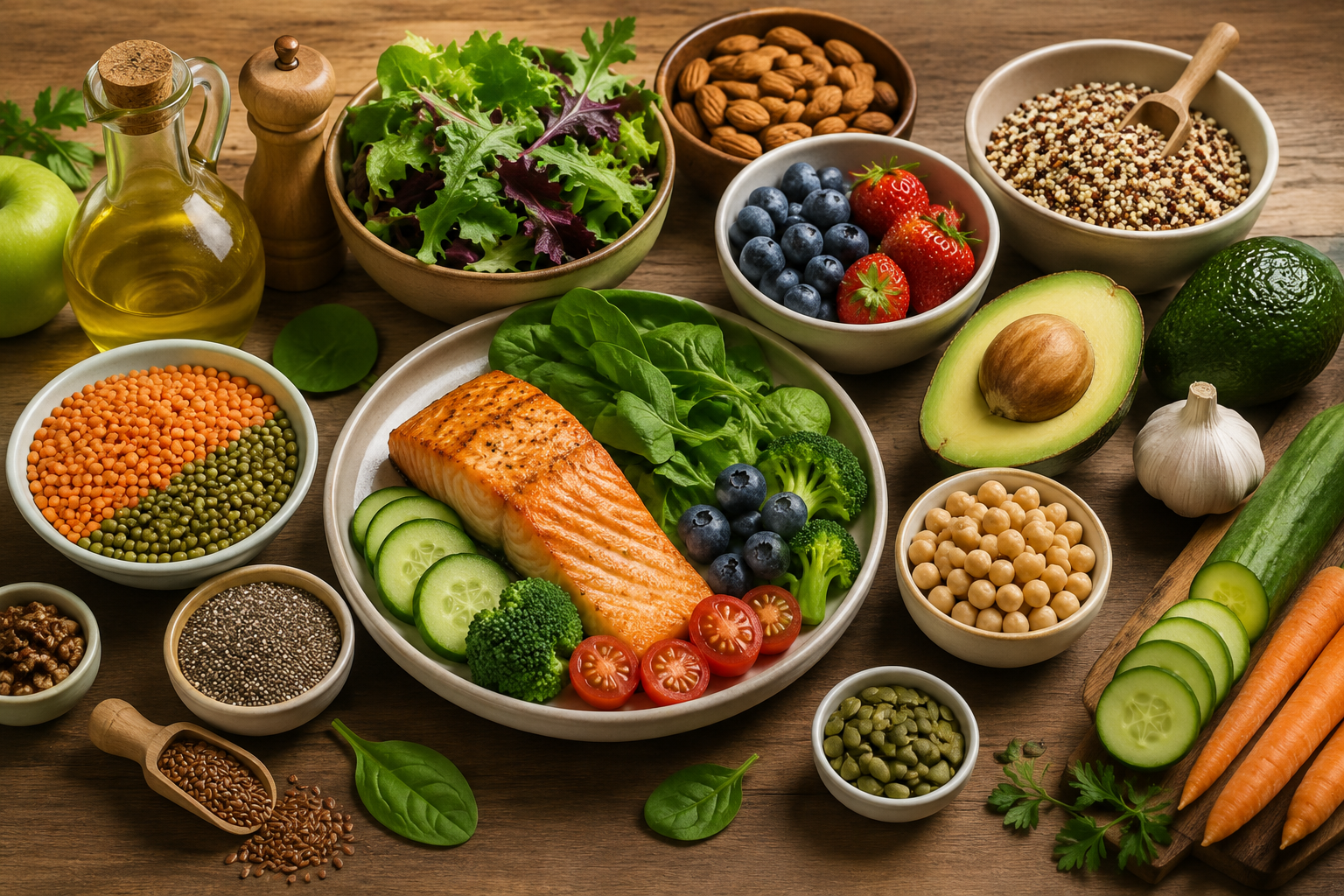
If your doctor recently mentioned “fatty liver” during a checkup, you’re probably wondering what actually happens next. The truth is, a fatty liver diet is one of the few things that can genuinely reverse early-stage liver damage, but only if you understand what’s driving the fat buildup in the first place. Fatty liver disease doesn’t happen overnight, and it doesn’t heal overnight either. It’s a slow buildup, usually tied to excess weight, insulin resistance, and years of eating patterns that quietly overload the liver. The good news is that your liver is one of the few organs in the body that can actually repair itself, sometimes in a matter of months, once you give it the right conditions.
This guide breaks down exactly what to eat, what to cut, and how to build a realistic plan around it. We’ll also talk honestly about something most fatty liver articles skip entirely: what happens when diet changes aren’t enough on their own, and how weight loss surgery fits into that picture for people who’ve tried everything else.
Diet for Fatty Liver Disease: Foods That Help Your Liver Heal
Your liver processes everything you eat, so it makes sense that food is both the cause and the cure here. When it comes to a diet for fatty liver disease, the goal isn’t some extreme detox or juice cleanse. It’s about consistently choosing foods that reduce fat storage in liver cells and calm down inflammation.
Foods that genuinely help include:
- Leafy greens like spinach and kale, which are packed with antioxidants that help reduce fat accumulation
- Fatty fish such as salmon and sardines, rich in omega-3s that lower liver fat and inflammation
- Whole grains like oats and quinoa instead of refined carbs, which spike blood sugar and feed fat storage
- Nuts, especially walnuts and almonds, shown in research to improve liver enzyme levels
- Olive oil as your primary cooking fat, replacing butter and processed oils
- Coffee (yes, really) — unsweetened coffee has been linked in multiple studies to slower liver fibrosis progression
A simple diet chart for fatty liver often looks like this: fill half your plate with vegetables, a quarter with lean protein, and a quarter with whole grains, then finish with a small serving of healthy fat like olive oil or avocado. It’s not complicated, but it does require consistency.
Mediterranean Diet for Fatty Liver: The Most Recommended Approach
Ask any hepatologist what they actually recommend, and most will point straight to the Mediterranean diet for fatty liver. It’s not a trend, it’s the most researched dietary approach for reducing liver fat, and it’s recommended because it works on multiple fronts at once: lowering inflammation, improving insulin sensitivity, and supporting steady weight loss.
The Mediterranean pattern emphasizes vegetables, fruit, legumes, whole grains, olive oil, and fish, while keeping red meat and processed sugar to a minimum. Unlike restrictive diets that people abandon after a few weeks, this approach tends to stick because it doesn’t feel like punishment. You’re not eliminating entire food groups, you’re shifting the ratio of what’s on your plate.
If you’re looking for a mediterranean diet for fatty liver pdf or printable guide, the core principle to remember is simple: eat mostly plants, use olive oil generously, and treat meat as a side dish rather than the main event.
Fatty Liver Diet Plan: A Sample Day of Eating
People often ask what a fatty liver diet plan actually looks like in practice, not in theory. Here’s a realistic example:
- Breakfast: Oatmeal topped with walnuts and berries, plus black coffee
- Lunch: Grilled salmon over a bed of spinach, quinoa, and roasted vegetables, drizzled with olive oil
- Snack: A handful of almonds and an apple
- Dinner: Lentil soup with a side salad dressed in lemon and olive oil
- Evening: Herbal tea instead of dessert
This isn’t a rigid 21-day fatty liver diet plan you need to follow to the letter. It’s a template. The idea is to build habits you can sustain for years, not weeks, because liver fat reduction is a long game.
Best Diet for Fatty Liver: Comparing Popular Approaches
There’s a lot of noise online about which is the best diet for fatty liver, especially when it comes to keto, low-carb, and plant-based eating. Here’s an honest breakdown:
- Keto diet and fatty liver: This one’s genuinely debated among doctors. Short-term keto can reduce liver fat quickly because it forces the body to burn fat for fuel. But long-term ketogenic dieting may cause fatty liver and metabolic issues in some people, particularly when it’s high in saturated fat rather than healthy fats. If you try keto, prioritize plant-based fats over bacon and butter.
- Low carb diet fatty liver approach: Less extreme than full keto, and generally considered safer for sustained liver health. Cutting refined carbs and added sugar (not all carbs) tends to show the most consistent improvement in liver enzymes.
- Plant based diet for fatty liver: Consistently shows strong results in research, largely because it naturally cuts saturated fat and increases fiber, both of which support liver repair.
The honest answer is that no single diet works for everyone. What matters most is cutting added sugar, ultra-processed food, and excess calories, regardless of which framework you follow.
Fatty Liver Detox Diet: Does It Actually Work
You’ll see a lot of products marketed as a fatty liver detox diet or fatty liver cleanse diet, promising to “flush toxins” from your liver in a matter of days. Here’s the reality: your liver already detoxifies your body every single day, that’s literally its job. No juice cleanse, tea, or supplement speeds that process up in a meaningful way.
What actually works is removing the burden, not adding a detox product. Cutting alcohol, added sugar, and fried food gives your liver the space it needs to do its own repair work. That’s the real “detox,” and it’s far less exciting than what’s being sold on social media.
The Fatty Liver and Obesity Connection: When Diet Alone Isn’t Enough
Here’s the part most fatty liver articles won’t tell you. For a large number of people, especially those with a BMI over 35 or existing conditions like type 2 diabetes, diet changes alone aren’t enough to reverse fatty liver disease long-term. That’s not a failure on your part, it’s biology. Excess visceral fat around the liver and abdomen can be extremely resistant to diet and exercise alone, particularly once insulin resistance has set in.
This is where bariatric surgery has become one of the most effective tools for reversing non-alcoholic fatty liver disease in patients with obesity. Multiple studies have shown that patients who undergo procedures like gastric bypass or gastric sleeve surgery see significant, often dramatic, improvement in liver fat and liver enzyme levels within the first year, sometimes faster than diet alone could ever achieve. This isn’t about surgery replacing a healthy diet, it’s about surgery giving your body the reset it needs when years of excess weight have made diet-only reversal extremely difficult.
At BodEvolve, our lead surgeon Dr. Frenzel works closely with patients to evaluate whether their fatty liver progression is something diet can still reverse, or whether it’s reached a point where surgical intervention offers a faster, more reliable path back to liver health. If you’ve been doing everything “right” with your diet for months without real improvement, it may be worth having that conversation.
If you’re carrying significant excess weight and fatty liver disease hasn’t responded to diet changes alone, it may be time for a different approach. Our team serves patients across Arlington, Richardson, Dallas, and Texarkana, and most patients are surprised to learn how much of the procedure their insurance actually covers. Learn more about how to get insurance to cover revision bariatric surgery and take the first step toward lasting liver health.
