
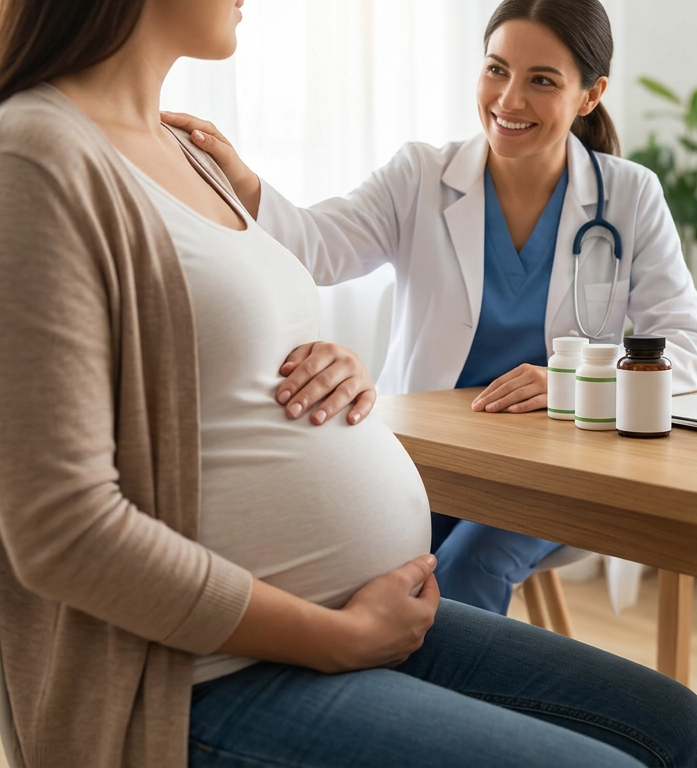
Can you get pregnant after bariatric surgery? Yes, you can. In fact, many women find it easier to conceive after losing weight. The surgery often improves the very problems that made pregnancy difficult in the first place, like hormone imbalances, irregular periods, and PCOS. But timing matters. Most surgical teams recommend waiting 12 to 18 months before trying, so your body can stabilize and your nutrition stays on track. At BodEvolve Bariatric, we walk every patient through what surgery means for starting a family, because planning ahead protects both you and your future baby.
Fertility and Pregnancy After Bariatric Surgery
Most women focus on when to get pregnant after surgery. What catches many off guard is that the harder question becomes preventing pregnancy too soon, because fertility often returns faster than expected. Here’s what’s actually happening and what you need to know:
- Obesity suppresses fertility hormonally. Excess fat tissue produces estrogen, which throws off your body’s natural cycle. High insulin from obesity can also disrupt ovulation. After significant weight loss, these imbalances start correcting, sometimes within weeks of surgery.
- PCOS often improves dramatically. For women who struggled to conceive because of polycystic ovary syndrome, weight loss surgery can restart regular ovulation. This isn’t guaranteed, but it’s common enough that our team addresses it in every pre-surgical consult.
- The fertility window opens before you’re ready. Your hormones normalize long before your body is nutritionally stable enough to support a pregnancy. This gap, between “fertile again” and “ready for pregnancy”, is where unplanned pregnancies happen. Reliable contraception during your 12–18 month wait isn’t optional; it’s part of your post-op plan.
- Birth control absorption changes too. Oral contraceptives may not absorb correctly after certain procedures, especially gastric bypass. Talk to your OB-GYN about non-oral options like an IUD or implant during your recovery window.
- Once you’re cleared, outcomes are genuinely good. Women who wait, stay on top of their labs, and work with both a bariatric surgeon and a high-risk OB tend to have healthy pregnancies. The risks associated with obesity-related pregnancy complications, gestational diabetes, hypertension, preeclampsia, are significantly reduced.
The takeaway: surgery doesn’t just make pregnancy possible. For many women, it makes it safer than it would have been before. The key is timing it right and going in prepared.
Can You Get Pregnant After Bariatric Surgery and When Is It Actually Safe to Conceive
bariatric programs, including our team at BodEvolve say you should wait at least 12 to 18 months after surgery before trying to get pregnant. This is not a suggestion to be safe. It is based on what your body is going through. After surgery your body is losing weight and not absorbing nutrients as well. If you get pregnant during this time it can be hard for your body to give the baby what it needs.
Your body needs to be stable before you can have a pregnancy. The best time to get pregnant after weight loss is when your weight has stopped changing. Your blood tests show you are getting nutrients and our bariatric surgeon and OB-GYN say it is okay. Women who get pregnant soon after bariatric surgery are more likely to have babies that are too small, born too early or have problems because they did not get enough nutrients.
You might be ready to get pregnant when:
- Your weight has been the same for least 3 to 6 months
- Your iron, B12, folate, calcium and vitamin D levels are normal
- Your periods have started again. Are regular
- Our bariatric surgeon and OB-GYN have both checked your case.
Pregnancy After Weight Loss Surgery: Nutritional Priorities for Both You and Your Baby
No matter what type of surgery you have, pregnancy puts much higher nutritional demands on your body than usual. The way you eat, the supplements you take, and even the amounts you consume may all need to shift as your pregnancy progresses. Around the halfway point, our doctors often revisit your supplement and diet plan to make sure both you and the baby are getting what you need.
Supplements That Matter Most During This Time
Pregnant women who have had bariatric surgery generally need a high-quality prenatal vitamin, extra iron, folic acid, calcium, vitamin D, and omega-3 fatty acids. Chewable or liquid forms tend to absorb better and are usually easier on the stomach.
How BodEvolve Supports You Through This Journey
Our team is here well beyond your surgery date. Whether you have questions about daily life, nutrition, or growing your family, we are ready to help. If you are thinking about getting pregnant, let us know early so we can help you prepare properly and feel confident going into it.
Can You Get Pregnant After Gastric Sleeve: What Patients Actually Experience
Gastric sleeve surgery removes most of the stomach tissue. Compared to gastric bypass, it tends to affect nutrient absorption less, but that does not mean pregnancy becomes simple. Patients still need to stay closely involved with their care team throughout.
Eating Enough for Two With a Smaller Stomach
After a gastric sleeve, one of the most common challenges during pregnancy is simply getting enough food in. Your stomach capacity is smaller, so every meal has to work harder. Focus on nutrient-dense foods that give you the most value per bite, and prioritise hydration throughout the day.
Morning Sickness on Top of Surgery Recovery
Early pregnancy nausea can hit harder when your stomach is already smaller and more sensitive. Many sleeve patients find that small, frequent meals help more than three larger ones, and that keeping something mild on hand at all times makes a noticeable difference.
What Research and Our Doctors Both Agree On
Studies consistently show that patients who wait until their body has stabilised and who work closely with a board-certified bariatric doctor are far more likely to have healthy pregnancies and healthy babies. At BodEvolve, we look at your test results, your procedure history, and your timeline together so the plan is built around you specifically, not a general guide.
How Soon Can You Get Pregnant After Gastric Sleeve Surgery
Most surgeons recommend waiting at least 18 months after gastric sleeve surgery before trying to conceive. Here is why that window exists and why it genuinely matters.
Your Body Is Still in Rapid Change Mode
The first 12 to 18 months after surgery involve fast and significant weight loss. A developing baby needs a stable, well-nourished environment, and that is hard to provide when your own body is still in active transformation.
Nutrient Levels Need Time to Settle
Iron, folate, B12, and vitamin D all need time to reach consistent levels after surgery. Going into a pregnancy before that happens creates real risks for both mother and baby that are very preventable with the right timing.
Fertility Tends to Improve After Surgery
One thing many patients do not expect is how significantly fertility can improve after sleeve surgery. Hormonal changes that come with weight loss often restore or improve ovulation, which means contraception is genuinely important during the waiting period.
After 18 Months, the Picture Looks Very Different
Once weight has stabilised and nutrient absorption has become more consistent, the body is in a much stronger position to support a pregnancy. This is the window where outcomes tend to be the most positive across the board.
Always Confirm Your Personal Timeline
Every patient’s situation is different. Before you start trying to conceive, confirm your individual readiness with your BodEvolve surgeon so you go in with a clear, personalised plan behind you.
How Soon Can You Get Pregnant After Gastric Sleeve Surgery
Most surgeons recommend waiting at least 18 months after gastric sleeve surgery before trying to conceive. Here is why:
- Your body goes through rapid weight loss in the first 12 to 18 months, which is not safe for a developing baby
- Nutritional levels need to stabilize before pregnancy, particularly iron, folate, B12, and vitamin D
- After 18 months, weight typically stabilizes and nutrient absorption becomes more consistent
- Fertility often improves significantly after sleeve surgery due to hormonal changes from weight loss
- Contraception is strongly advised during the waiting period
Always confirm your personal timeline with your BodEvolve surgeon before planning a pregnancy.
Plan Your Future With the Right Bariatric Team Behind You
Getting pregnant after surgery is possible and for many women their health is better after surgery. The question of can you get pregnant after bariatric surgery is the start of a conversation about your body, your timeline and what you need to do to have a healthy pregnancy. We are here to help you with that conversation and make a plan that’s right for you. We see patients across our Dallas, Arlington, Richardson, and Texarkana locations, so expert bariatric care is never far from where you are. You can book a meeting with our team to get started.
