
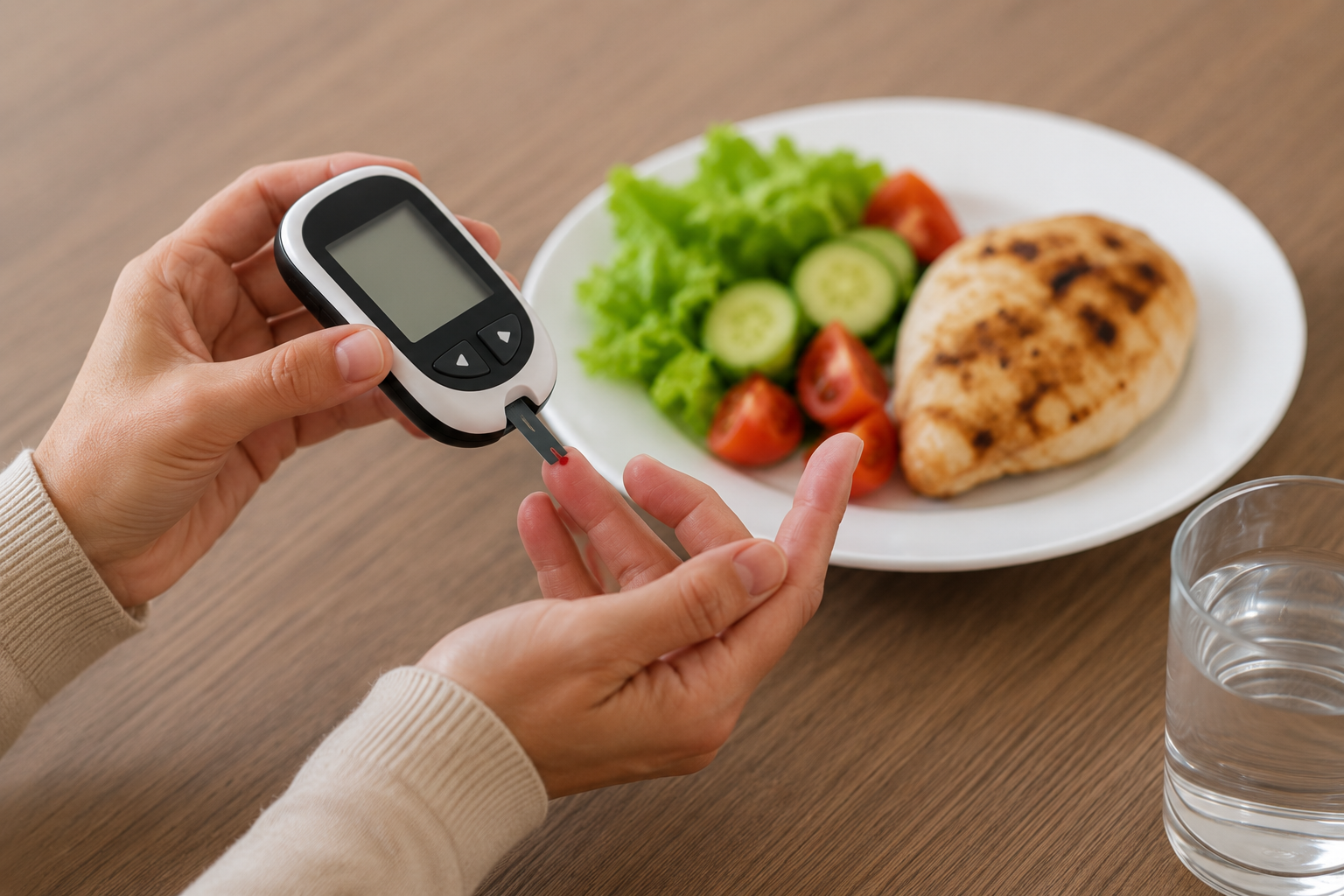
Blood sugar levels after eating are something most people never think about until a doctor brings it up. But the truth is, what happens in your body during the hour or two following a meal tells you a great deal about your metabolic health, your risk for type 2 diabetes, and even the long-term health of your heart. Whether you are managing your weight, recovering from bariatric surgery, or simply trying to make smarter food choices, understanding how your glucose responds to food is one of the most practical things you can do for your wellbeing.
At BodEvolve Bariatric, led by triple board-certified and dual fellowship-trained surgeon Dr. Clayton Frenzel, patients consistently learn that metabolic health is the foundation of lasting weight loss results. Glucose control is a central part of that conversation.
After Eating Blood Sugar Levels: What the Numbers Actually Mean
A lot of people assume that eating raises blood sugar and that is just the way it is. What they do not realize is that the degree of that rise, and how quickly your body brings it back down, is the real story.
In a healthy individual, blood glucose typically rises within 15 to 30 minutes of eating and peaks somewhere around the one-hour mark. For most people without diabetes or insulin resistance, that peak stays well under 140 mg/dL. Within two hours, it should return to near-fasting levels, usually somewhere between 70 and 100 mg/dL.
When this process is working the way it should, you feel energized but not jittery, satisfied but not sluggish. When it is not working well, you might notice energy crashes, intense cravings within an hour or two of eating, or brain fog. These are early warning signs that your body is struggling to manage glucose efficiently.
What Can Affect Your After-Meal Numbers
- The type and amount of carbohydrates in the meal
- How much fiber, fat, and protein are in the meal (these slow digestion and blunt the spike)
- How active you are before and after eating
- Stress hormones, which can raise blood sugar even without eating
- Sleep quality the night before
- Your current body weight and the presence of excess visceral fat
This last point is especially relevant. Carrying significant excess weight, particularly around the abdomen, is one of the strongest drivers of poor glucose regulation. This is one reason why weight loss surgery candidates at BodEvolve Bariatric often see dramatic improvements in blood sugar levels even before they have lost the majority of their weight.
Blood Sugar After Eating: Why Timing Matters
Most standard blood glucose tests measure fasting levels. That is useful, but it only shows one slice of the picture. Blood sugar after eating, specifically the postprandial response, is a far more sensitive indicator of how well your metabolism is functioning day to day.
Research has shown that high postprandial glucose spikes, even in people whose fasting glucose looks normal, are linked to increased risk of cardiovascular disease, inflammation, and the gradual development of type 2 diabetes. In other words, you can have a fasting glucose that appears fine while still having a metabolic system under significant stress.
Signs Your Postprandial Response May Be Off
- Feeling extremely tired or foggy 30 to 60 minutes after eating
- Intense hunger returning within an hour of a full meal
- Unexplained weight gain, especially around the midsection
- Frequent mood changes tied to eating patterns
- Diagnosed prediabetes or insulin resistance
If any of those sound familiar, it is worth having a deeper conversation with a medical professional. At BodEvolve Bariatric, the team evaluates metabolic markers as part of the comprehensive consultation process. Patients who pursue gastric bypass surgery in particular often experience something remarkable: their blood sugar levels normalize within days of surgery, often before significant weight loss has occurred. This is believed to be related to changes in gut hormones that improve insulin sensitivity almost immediately.
Glucose Levels After Eating and the Role of Weight Loss Surgery
For people living with obesity and either diabetes or prediabetes, the relationship between glucose levels after eating and body weight is deeply intertwined. Losing weight consistently improves insulin sensitivity, which means the body does a better job of clearing glucose from the bloodstream after meals.
But not all weight loss achieves this equally. Surgical weight loss, particularly through procedures like gastric sleeve surgery and gastric bypass, tends to produce much faster and more durable metabolic improvements than diet and exercise alone. This is partly about volume restriction and partly about the profound hormonal changes these surgeries trigger.
What Surgical Patients Often Experience
- Significant reduction in postprandial glucose spikes within weeks of surgery
- Reduction or elimination of diabetes medications in many cases
- Improved fasting glucose and HbA1c levels over time
- Greater sensitivity to high-glycemic foods, which reinforces healthier eating habits post-surgery
Patients who undergo duodenal switch surgery or SADI-S surgery have shown some of the most significant improvements in blood sugar regulation, particularly for those with long-standing type 2 diabetes. These procedures alter both how much food is consumed and how it is absorbed, producing a powerful combined effect on metabolic function.
If you are wondering whether weight loss surgery could help your glucose levels, you can learn more about the weight loss surgery before and after journey on the BodEvolve.
Blood Sugar 2 Hours After Eating: The Standard Benchmark
Among healthcare providers, the most commonly referenced checkpoint for postprandial glucose is the two-hour mark. Blood sugar 2 hours after eating is the standard used in oral glucose tolerance tests and is one of the key numbers used to diagnose diabetes and prediabetes.
Here is a quick reference for what those numbers typically indicate:
- Below 140 mg/dL after 2 hours: Normal glucose tolerance
- 140 to 199 mg/dL after 2 hours: Impaired glucose tolerance, or prediabetes
- 200 mg/dL or above after 2 hours: Indicative of diabetes
It is worth noting that these are diagnostic guidelines. For people who have already been diagnosed with diabetes or who are having post-bariatric surgery, their care team may set personalized target ranges that differ from these benchmarks.
Practical Ways to Improve Your Two-Hour Reading:
- Eat meals with a balanced ratio of protein, healthy fat, and fiber, which slows glucose absorption
- Take a short 10 to 15 minute walk after eating, which has been shown to reduce postprandial spikes noticeably
- Avoid large portions of refined carbohydrates or sugary beverages with meals
- Stay consistently hydrated throughout the day
- Monitor your response with a continuous glucose monitor or fingerstick if recommended by your doctor
For those who have had bariatric surgery, following the post-bariatric surgery diet guidelines closely is essential for keeping postprandial glucose in a healthy range. The dietary structure recommended by the BodEvolve team is specifically designed to support stable glucose levels while allowing the body to heal and adapt post-surgery.
There is also growing evidence that patterns like fasting for weight loss can help reset insulin sensitivity over time. For the right candidates, strategic fasting protocols can meaningfully reduce both fasting and postprandial glucose levels.
One thing many people overlook is how much their early warning signals might already be pointing to a deeper issue. If you have noticed the signs, reading about early signs of insulin resistance can help you understand where you are on the spectrum and what steps to consider next.
Additionally, understanding what causes dumping syndrome is important for bariatric surgery patients, because eating high-sugar foods after surgery can trigger a rapid glucose response followed by an abrupt drop, which is uncomfortable and signals that the meal composition was not optimal.
Blood Sugar Levels After Eating and Taking the Next Step Toward Better Metabolic Health
Blood sugar levels after eating are one of the clearest windows into how your body is functioning at a metabolic level. Whether your numbers are currently in a healthy range or you are already seeing the warning signs of glucose dysregulation, there is real and lasting help available. At BodEvolve Bariatric, the specialists including Dr. Clayton Frenzel offer comprehensive treatment that goes beyond simply losing weight to include all factors related to metabolism. Whether it’s revision weight loss surgery and other weight loss procedures or whether the path includes the option for medical weight loss, we develop a personal plan for you that focuses on weight and underlying metabolism.
The clinics are located across the Dallas Fort Worth area in such cities as Arlington, Richardson, Dallas, or Texarkana locations offering you expert bariatric care no matter which part of Texas you happen to be living in. For those looking to tackle the issue of blood sugar and its underlying causes and looking to get rid of the problem once and for all, this is what BodEvolve can do for you. Contact us now to schedule a consultation!
