
If you’ve typed “best veggies for weight loss” into Google more than once, you already know the problem with most answers out there. They’re written for someone who just wants to eat a little cleaner, not for someone who’s had surgery, is recovering from it, or is trying to figure out what their stomach can actually handle right now. That’s a different conversation, and it’s the one we’re having here.
Vegetables matter more after bariatric surgery, not less. Your stomach pouch is smaller, your calorie budget is tighter, and every bite needs to earn its place. Low-calorie, high-fiber vegetables do exactly that. They fill you up on volume instead of calories, they support steady digestion during a time when your gut is adjusting to a lot of change, and they help stabilize blood sugar, which matters a great deal if insulin resistance is part of why you’re here in the first place. This guide walks through which vegetables actually deliver, how to prepare them depending on where you are in your weight loss journey, and where they fit alongside the bigger picture of medical and surgical weight management.
Best Veggies to Eat for Weight Loss
The vegetables that do the most work for weight loss share three traits: they’re high in fiber, low in calorie density, and they keep you full longer relative to how much you’re actually eating. That last part matters enormously post-surgery, when your stomach physically cannot process large volumes of food.
The strongest picks include:
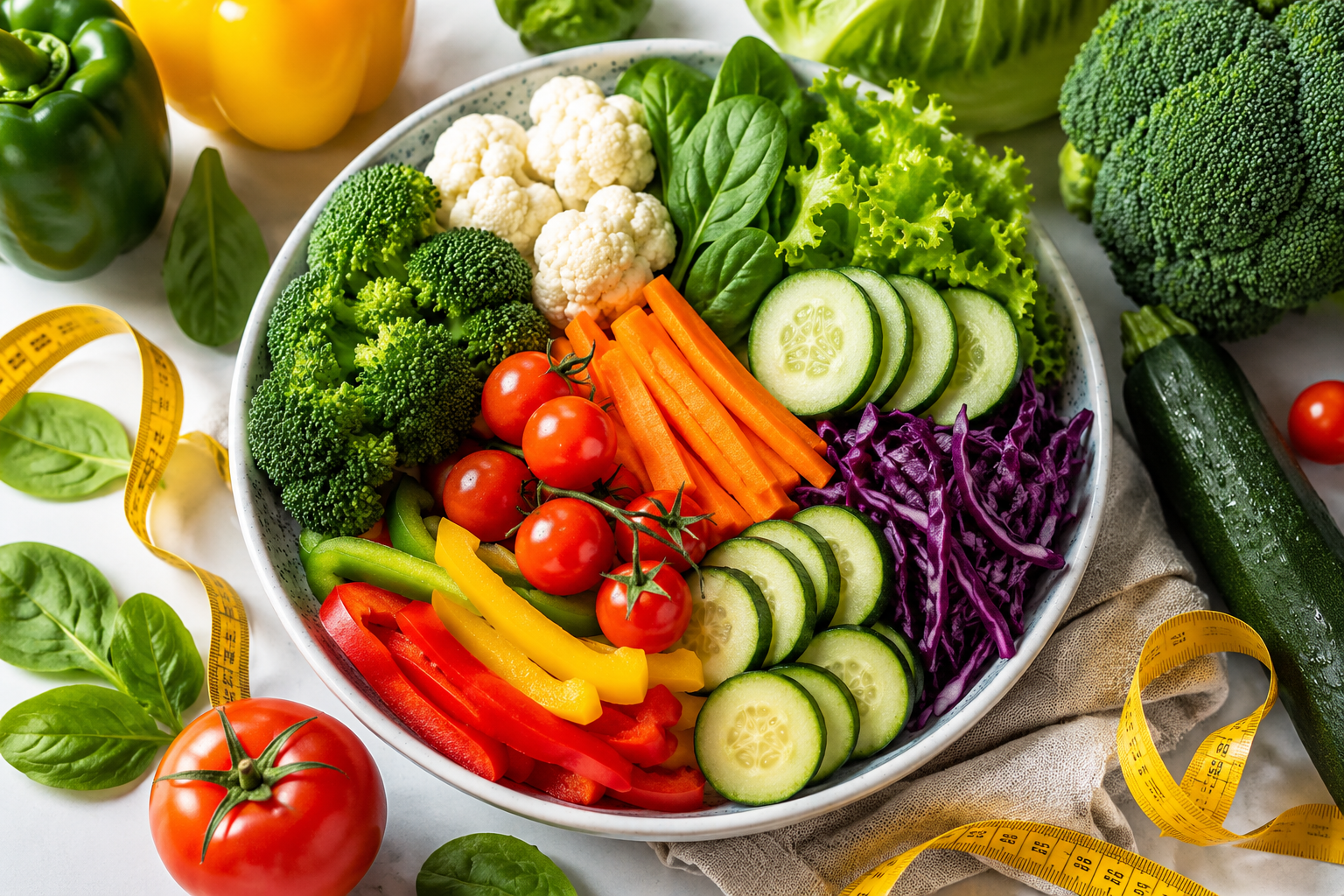
- Broccoli and cauliflower. Cruciferous vegetables that are filling, low-calorie, and easy to portion into small, manageable bites.
- Spinach and kale. Nutrient-dense leafy greens that add almost no calories but a meaningful amount of fiber and micronutrients many patients are deficient in after surgery.
- Zucchini. Soft-textured and easy to tolerate even in early post-op stages, especially when cooked down.
- Cucumbers. Mostly water, genuinely filling, and good for snacking without derailing a calorie budget.
- Bell peppers. Crunchy, low-calorie, and high in vitamin C, which supports wound healing in the weeks after surgery.
- Green beans. A good source of fiber that holds up well whether steamed, roasted, or added to soup.
What Are the Best Veggies to Eat for Weight Loss After Bariatric Surgery?
Texture matters as much as nutrition here. In the early weeks after a gastric sleeve or gastric bypass, your team will typically guide you through pureed and soft-food stages before raw or fibrous vegetables are reintroduced. Cooked, soft vegetables like steamed zucchini, well-cooked carrots, and pureed spinach are usually the first to return to your plate. Raw, crunchy vegetables tend to come later, once your pouch has had time to heal. This is a sequence worth following closely with your surgical team rather than guessing, since jumping ahead too quickly is one of the most common reasons patients experience discomfort in the first few months.
Best Fruits and Veggies for Weight Loss
Vegetables do the heavy lifting, but fruit isn’t the enemy people sometimes assume it is. The goal is balance: pairing fiber-rich produce with controlled portions so you’re not overloading on natural sugars while you’re trying to lose weight.
Strong combinations include berries with spinach in a smoothie, sliced apple with celery as a crunchy snack, or a small citrus segment alongside a salad for vitamin C without much sugar. Berries in particular (strawberries, blueberries, raspberries) are lower in sugar than most fruits and pack enough fiber to slow how quickly that sugar hits your bloodstream, which is a meaningful difference if blood sugar regulation is part of your weight loss picture.
When you’re building a plate, a simple rule works well: fill half of it with non-starchy vegetables, add a modest portion of fruit if you want something sweet, and keep your protein source as the anchor of the meal. This is the same approach we walk patients through during nutritional counseling, whether they’re managing weight medically or recovering post-surgery.
Best Fruits & Veggies for Weight Loss Combos for Smoothies and Snacks
Pairing produce strategically makes a real difference. A spinach and frozen berry smoothie with a scoop of protein powder hits fiber, antioxidants, and protein in one glass. A snack plate with cucumber, bell pepper strips, and a few orange segments covers crunch, hydration, and natural sweetness without much added sugar. These combinations work whether you’re months post-op or simply trying to eat better without surgery on the table.
Best Green Veggies for Weight Loss
Green vegetables tend to top nutrient-density rankings for a reason. They’re loaded with fiber, vitamins, and minerals relative to how few calories they contain, which makes them some of the most efficient foods you can eat while trying to lose weight.
Spinach, kale, broccoli, asparagus, and Brussels sprouts all belong in regular rotation. Brussels sprouts in particular are underrated: roasted with a small amount of olive oil, they develop real flavor while staying low in calories and high in fiber. Asparagus is another quiet workhorse, easy to prepare, low-calorie, and a natural diuretic that can help with the bloating many patients experience in the early stages of weight loss.
What Veggies Are Best for Weight Loss If You Want More Energy?
Fatigue is one of the most common complaints during active weight loss, whether you’re on a calorie-restricted diet, recovering from surgery, or both. Leafy greens like spinach and kale are rich in iron and magnesium, two nutrients that directly affect energy levels and that are commonly low in bariatric patients. If you’ve noticed persistent tiredness that doesn’t track with how much you’re eating or sleeping, it’s also worth ruling out an underlying metabolic issue. Our breakdown of the early signs of insulin resistance covers exactly this kind of fatigue pattern and what it might mean for your weight loss plan.
Best Raw Veggies for Weight Loss
Raw vegetables hold onto more of their fiber and nutrients than cooked ones, and the act of chewing them slowly genuinely helps with satiety signals, which is valuable when you’re trying to eat less without feeling deprived.
Carrots, celery, cucumber, bell peppers, and cherry tomatoes are the easiest raw options to keep on hand. They require almost no prep, travel well, and give you something to reach for instead of a processed snack when hunger hits between meals.
Best Veggies to Snack On for Weight Loss
The best snacking vegetables share two qualities: they’re low-calorie enough that portion size barely matters, and they have enough crunch or volume to actually feel satisfying. Celery with a small amount of hummus, cucumber rounds, and bell pepper strips check both boxes. If you’re more than a few months post-surgery and have been cleared for raw vegetables, these make excellent grab-and-go options that won’t blow your calorie budget even if you eat a generous portion.
Best Veggies to Juice for Weight Loss
Juicing is where a lot of generic weight loss content gets vague, and it’s worth being direct here. Vegetable juice can be a useful way to get nutrients in if chewing solid food is difficult, but juicing strips out most of the fiber that makes vegetables so effective for weight loss in the first place. Fiber is what slows digestion and keeps you full. Without it, you’re left with mostly water and micronutrients, which has real value but isn’t the same as eating the vegetable whole.
Cucumber, celery, spinach, and a small amount of green apple for flavor make for a low-sugar, low-calorie juice if you do choose this route. The key is treating juice as a supplement to your vegetable intake, not a replacement for eating actual vegetables whenever your digestive system allows it.
Best Veggies for Juicing Weight Loss After Surgery
If you’ve had bariatric surgery, check with your care team before adding juicing into your routine, especially in the first several months. Because juice lacks fiber, it can be absorbed quickly and may not align with the slower, structured eating pattern your surgical team is working to establish. Once you’re further out from surgery and have been cleared for a wider range of foods, small amounts of fresh vegetable juice can be a reasonable way to round out your nutrient intake.
Best Veggie Soup for Weight Loss
Soup deserves more credit in weight loss conversations than it usually gets, particularly for bariatric patients. Broth-based vegetable soups are low in calories, easy to digest, and genuinely filling because of the water and fiber volume involved. They’re also one of the gentlest ways to reintroduce vegetables after surgery, since cooking breaks down fiber and makes everything easier on a healing stomach.
A simple vegetable soup built on zucchini, carrots, celery, and spinach in a low-sodium broth is a staple worth keeping in regular rotation, especially during colder months or when appetite is lower than usual.
Best Steamed and Roasted Veggies for Weight Loss
Cooking method affects both nutrition and tolerance. Steaming preserves more nutrients than boiling and softens vegetables enough to make them easy to digest, which is why it’s often the first cooking method recommended in early post-op stages. Roasting, on the other hand, brings out natural sweetness and flavor without needing much added fat, which makes vegetables more enjoyable to eat consistently. Roasted broccoli, cauliflower, and Brussels sprouts in particular develop a flavor that makes them far easier to stick with long-term compared to bland, boiled versions.
Best Veggies for Weight Loss and Muscle Gain
Vegetables aren’t a protein source, but a few specific ones support muscle preservation indirectly, which matters enormously during weight loss. Edamame and green peas both contain meaningful plant protein alongside their fiber content, making them useful additions to a higher-protein eating pattern. Pairing any non-starchy vegetable with a solid protein source at each meal is the real strategy here: the vegetables provide volume and micronutrients, while protein protects the muscle mass you want to keep as the scale moves down.
Best Veggies for PCOS Weight Loss
For patients managing PCOS, vegetable choice carries extra weight because insulin resistance is so often the underlying driver. Non-starchy, high-fiber vegetables like broccoli, spinach, and bell peppers help blunt blood sugar spikes in a way that starchy vegetables like corn or potatoes don’t. This connects directly to a pattern we see often in our Richardson and Texarkana patients: weight that won’t move despite consistent effort, which frequently traces back to insulin resistance rather than a lack of discipline. If that sounds familiar, our guide on the early signs of insulin resistance is worth reading alongside any dietary changes you’re making.
Best Frozen Veggies for Weight Loss
Frozen vegetables are not the downgrade people sometimes assume. They’re typically flash-frozen at peak ripeness, which means their nutrient content holds up remarkably well, often better than fresh produce that’s been sitting in transit and storage for days. For anyone managing a busy schedule, post-op fatigue, or a tight grocery budget, frozen broccoli, spinach, green beans, and mixed stir-fry blends are practical, affordable, and genuinely just as effective for weight loss as their fresh counterparts.
Best Canned Veggies for Weight Loss
Canned vegetables can absolutely work, with one caveat: check the label for added sodium and rinse before cooking if needed. Canned green beans, carrots, and tomatoes are budget-friendly staples that hold up well in soups and stews, which makes them a reasonable option when fresh or frozen isn’t available.
Best Veggie Smoothies for Weight Loss
Smoothies are one of the easiest ways to get vegetables in during the early stages of weight loss, particularly post-surgery when solid food volume is limited. Blending breaks down fiber into a more digestible form without eliminating it the way juicing does, which makes smoothies a middle ground worth leaning on.
A basic formula that works well: a handful of spinach, half a cup of frozen berries, a scoop of protein powder, and unsweetened almond milk. This gets you vegetables, fiber, protein, and volume in a single glass that’s easy on a healing or sensitive stomach.
Best Veggie Shakes and Fruit Smoothies for Weight Loss
The difference between a “shake” and a “smoothie” often comes down to protein content. A veggie-forward shake built around a quality protein powder, spinach or kale, and a small amount of fruit for flavor can function as a full meal replacement during early post-op stages, when your surgical team is having you focus on liquid and pureed nutrition. As you progress further out from surgery, these can shift toward thicker, more food-based smoothies with a wider mix of fruits and vegetables.
Best Salad Veggies for Weight Loss
Salads get a bad reputation when they’re loaded with high-calorie dressings and toppings, but built correctly, they’re one of the most efficient weight loss meals available. The base matters most: spinach or mixed greens rather than iceberg lettuce, which is mostly water with little fiber or nutritional value.
Strong salad additions include cucumber, bell pepper, shredded carrot, cherry tomatoes, and a light vinaigrette instead of a creamy dressing. Adding a lean protein source turns a side salad into a satisfying main meal without much added calorie load.
Best Veggie Snacks, Dips, and Burgers for Weight Loss
For snacking, raw vegetables paired with a light, protein-based dip work well. A Greek yogurt-based veggie dip with herbs gives you flavor and a small protein boost without the calorie density of a sour cream or mayonnaise base. For something more substantial, a well-made veggie burger built around black beans, lentils, or a mix of vegetables and whole grains can be a satisfying, fiber-rich alternative to a traditional burger, though it’s worth checking labels since some store-bought versions are surprisingly processed and calorie-dense despite the “veggie” label.
Where Vegetables Fit in Your Bigger Weight Loss Picture
Vegetables are a genuinely powerful tool, but it’s worth being honest about their limits. For patients with significant weight to lose, or for those whose weight hasn’t responded to dietary changes alone, vegetables support the process without being the entire solution. This is where medical and surgical options come into the conversation.
If you’ve been making consistent changes and the scale still isn’t moving the way it should, it may be worth exploring whether a structured medical approach fits your situation. Our GLP-1 weight loss program combines medication with nutritional guidance for patients who aren’t ready for surgery but need more support than diet changes alone provide. For patients with more significant weight to lose, our surgical team, led by dr Frenzel, evaluates each case individually to determine whether a gastric sleeve, gastric bypass, or a non-surgical path makes the most sense.
BodEvolve Bariatric sees patients across Arlington, Richardson, Dallas, and Texarkana, and every consultation starts with understanding your full history, not just your weight. If cost or insurance is part of what’s holding you back from exploring surgery, our guide on how to get insurance to cover revision bariatric surgery breaks down what most plans actually require.
