
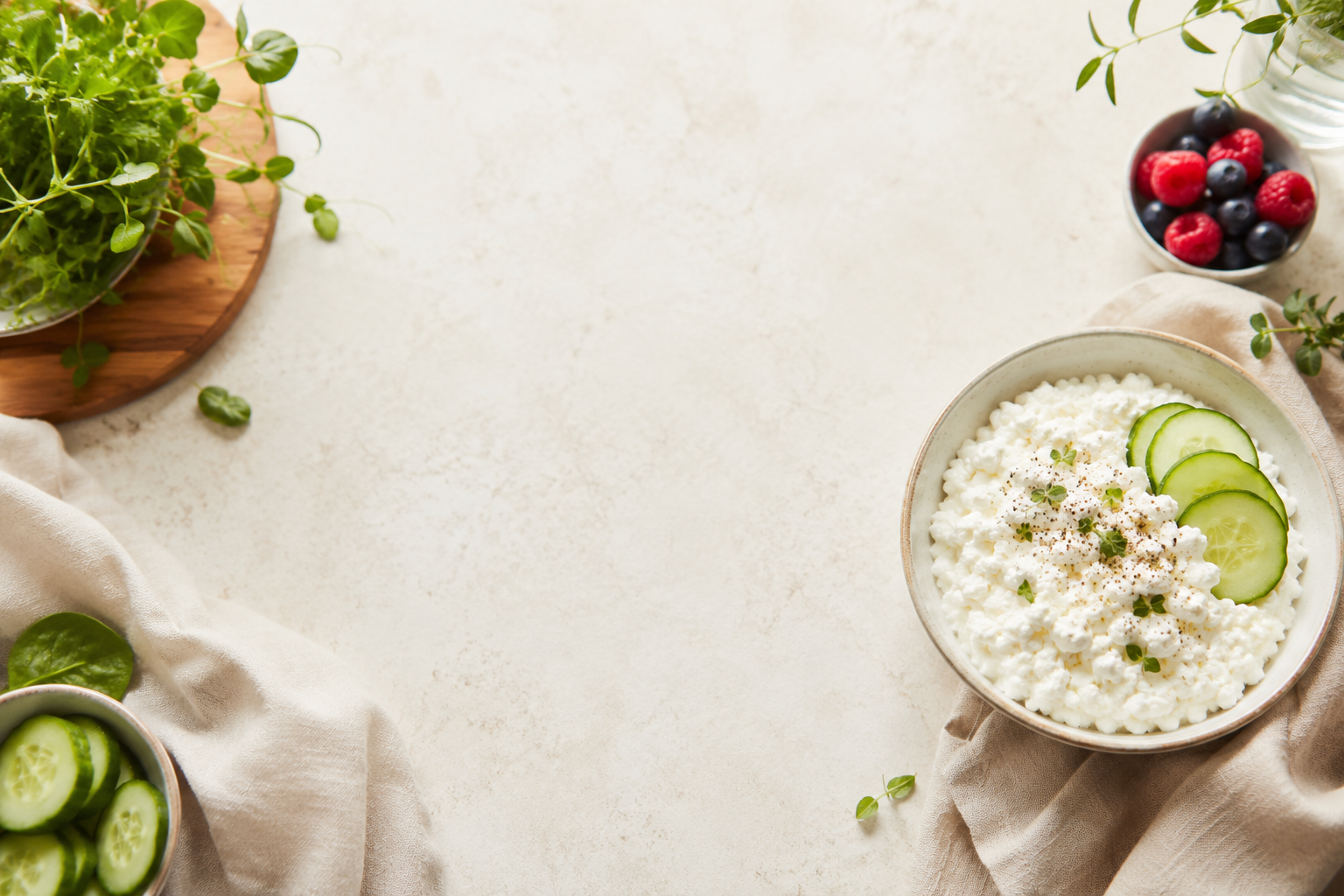
Is cottage cheese good for weight loss? Yes, cottage cheese supports weight loss because it’s high in casein protein, low in calories and keeps you feeling full for hours. A single cup packs around 25 grams of protein with only about 180 calories, which makes it one of the most efficient foods you can add to a calorie-controlled diet. For people working through a serious weight loss plan, including those recovering from bariatric surgery, it’s become a go-to staple.
But not all cottage cheese is created equal and how you eat it matters just as much as whether you eat it. Let’s break it down.
Why Is Cottage Cheese Good for Weight Loss?
The short answer: protein. Cottage cheese is mostly casein, a slow-digesting protein that releases amino acids into your bloodstream over several hours. That slow release is what keeps hunger quiet between meals. When you’re trying to lose weight, controlling hunger is half the battle.
There’s also the satiety angle. Research on high-protein dairy shows that people who eat protein-rich foods at breakfast tend to consume fewer calories the rest of the day. Cottage cheese hits that protein target without dragging you into carb-heavy territory the way a bagel or cereal would.
Beyond protein, cottage cheese gives you calcium, B vitamins and probiotics if you pick a cultured version. Calcium has been linked in some studies to better fat metabolism, though that effect on its own is modest. The real win is the combination: high protein, low calorie density and a texture that feels like a treat rather than a diet food.
Is Low Fat Cottage Cheese Good for Weight Loss?
Low fat cottage cheese is a solid pick when you’re counting calories closely. A half cup of 1% milkfat cottage cheese runs around 80 to 90 calories with roughly 12 to 14 grams of protein. That’s an excellent protein-to-calorie ratio, especially if you’re tracking macros for a structured plan.
The trade-off is flavor. Low fat versions can taste a little flat compared to whole milk varieties, which is why pairing matters (more on that below). If you push back from bland food, you might end up eating more of it or reaching for other snacks. Pick what you’ll actually enjoy.
Is Full Fat Cottage Cheese Good for Weight Loss?
Full fat cottage cheese gets a bad rap it doesn’t really deserve. A half cup of 4% milkfat cottage cheese has around 110 calories and 12 grams of protein. Yes, it’s higher in calories than the 1% version, but the extra fat keeps you fuller longer and the texture is creamier, which means you’re more likely to stay satisfied.
Recent nutrition research has softened the older view that all dairy fat is harmful. Full fat dairy has actually been linked to neutral or even slightly positive metabolic outcomes in several long-term studies. For weight loss, the calorie difference matters, but if full fat cottage cheese helps you avoid grazing an hour later, it’s the smarter choice.
Is Cottage Cheese a Good Snack for Weight Loss?
Cottage cheese is one of the best snack options for weight loss because it solves the two biggest snack problems: not enough protein and too many calories. Most popular snacks (chips, granola bars, crackers) hit you with refined carbs and almost no satiety. A half cup of cottage cheese gives you real protein at a fraction of the calories.
Timing-wise, cottage cheese works well as an afternoon snack to bridge lunch and dinner or as a late evening option because the slow-digesting casein keeps you fed overnight. Bodybuilders have used it as a pre-bed snack for decades for exactly this reason.
Best Cottage Cheese Pairings for Weight Loss
What you eat with cottage cheese can make or break it as a weight loss food. Here are four pairings that actually work.
Cottage cheese and eggs:
This combo is a protein bomb. Mix half a cup of cottage cheese into scrambled eggs for a breakfast that delivers 30 plus grams of protein and keeps hunger off until lunch. It’s also a popular soft food after procedures like gastric sleeve because it’s easy to digest and protein-dense.
Cottage cheese and fruit:
Berries, peaches or sliced apple add fiber and natural sweetness without the sugar load of jam or honey. Cottage cheese with fruit gives you protein, fiber, and a small amount of natural sugar that handles sweet cravings.
Cottage cheese and pineapple:
This classic pairing works because pineapple’s natural enzymes (bromelain) help digestion and the tang cuts through the creaminess. Stick to fresh pineapple over canned syrup. A small bowl runs about 150 calories and gives you 14 grams of protein.
Cottage cheese and mustard:
Sounds odd, but a spoon of grainy mustard mixed into cottage cheese makes a savory dip that pairs with raw vegetables. Almost zero added calories and a flavor punch that turns a basic snack into something you’ll keep reaching for.
Is Cottage Cheese Good for PCOS Weight Loss?
For women managing PCOS, cottage cheese is generally a smart inclusion. PCOS often comes with insulin resistance, and high-protein, low-glycemic foods help stabilize blood sugar. Cottage cheese fits both criteria. The protein supports muscle mass (important when losing weight slows your metabolism) and the low carb content avoids insulin spikes.
One caveat: some women with PCOS notice that dairy aggravates their symptoms, particularly acne or bloating. If that’s your experience, swap to lactose-free versions or try plant-based protein alternatives. Listen to how your body responds.
Is Cottage Cheese Good for Weight Loss in the Morning?
Morning is arguably the best time to eat cottage cheese for weight loss. Starting the day with 20 plus grams of protein sets a metabolic tone that reduces cravings later. People who eat high-protein breakfasts consistently report fewer mid-afternoon sugar crashes and lower total daily calorie intake.
A simple breakfast bowl with cottage cheese, berries, a sprinkle of chia seeds and a small drizzle of honey runs around 250 calories and delivers serious staying power. Compare that to a typical bowl of cereal at 350 plus calories with almost no protein and the math gets clear fast.
When Cottage Cheese Alone Isn’t Enough
For some people, especially those with significant weight to lose or coexisting conditions like type 2 diabetes, diet changes alone aren’t sufficient. If you’ve been struggling for years despite eating well and staying active, a structured medical approach may help. Programs like medical weight management and surgical options including gastric bypass or SADI-S have helped thousands of patients reach lasting results.
At BodEvolve, our team supports patients across Dallas, Arlington, Richardson and Texarkana with personalized weight loss plans that go beyond diet advice. Cottage cheese is a tool, not a cure, and our surgeons help patients build the full plan around it.
