
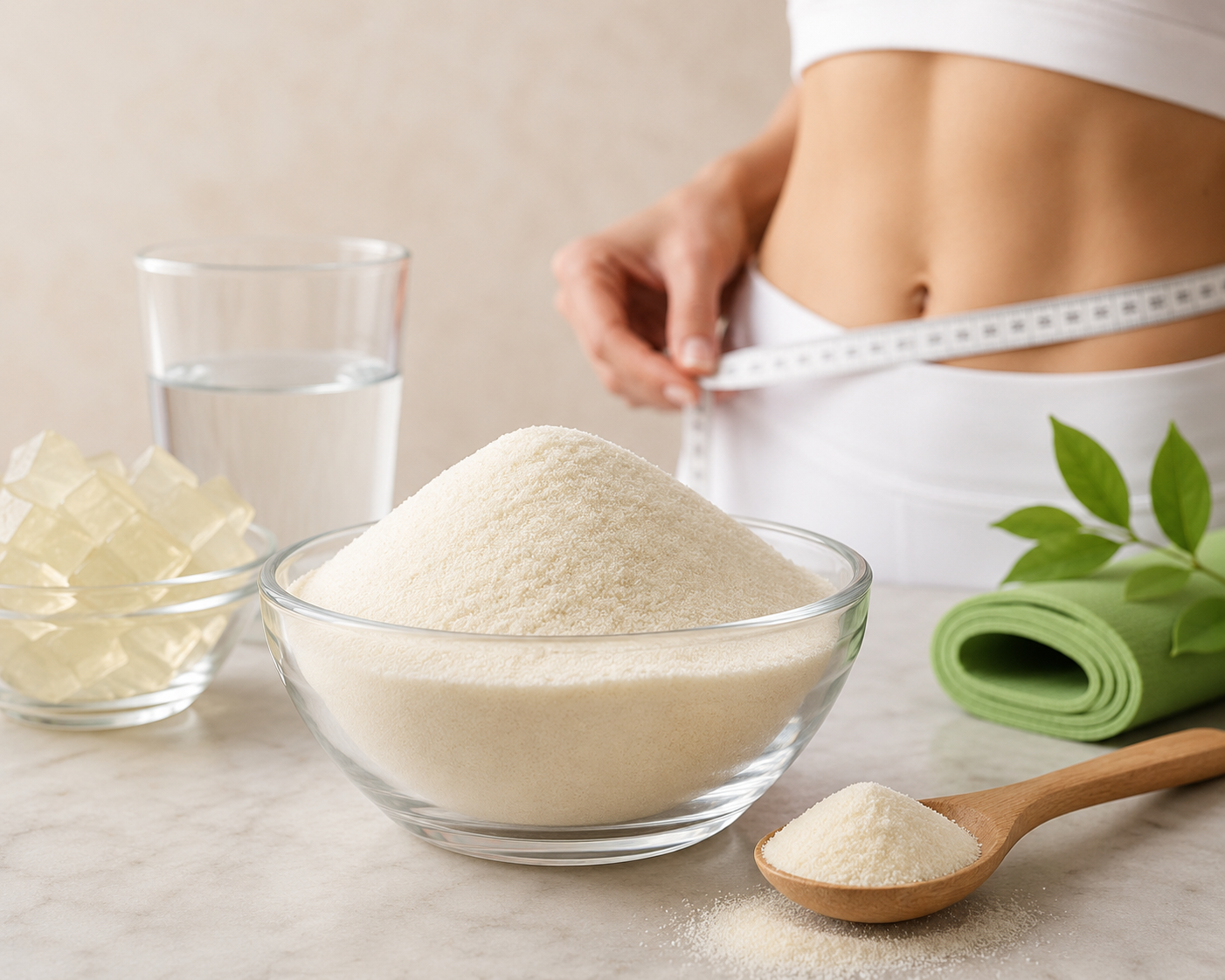
Does Unflavored Gelatin Powder Help You Lose Weight? Unflavored gelatin can support weight loss, but not on its own. As a low-calorie protein preload taken 15–20 minutes before meals, it curbs hunger and helps reduce portion sizes. Combined with a calorie deficit, most people lose about 1–3 lbs per month. The gelatin assists the result, it doesn’t cause it.
So is it actually worth trying? Does the science hold up? And if you’re someone dealing with more serious, long-term weight struggles particularly those of you in Texas who’ve already tried everything from diets to GLP-1 medications where does this fit in the bigger picture?
As a team working alongside board-certified bariatric surgeons in the DFW area, we want to give you an honest, medically grounded answer. Not hype. Not a 10-second TikTok take. Just what gelatin actually does, how to use it correctly, when it genuinely helps, and when it’s simply not enough.
What Is Unflavored Gelatin Powder and How Does It Support Weight Loss?
Unflavored gelatin powder is a flavorless, odorless protein powder made from hydrolyzed collagen typically derived from animal connective tissue, bones, and skin. Brands like Knox have been around for decades. It’s inexpensive, widely available at any grocery store, and contains roughly 6–7 grams of protein per tablespoon at only about 23 calories.
The reason it’s getting attention in the weight loss space comes down to a few things happening inside your body when you consume it before meals.
First, it’s a protein preload. Protein is the most satiating macronutrient it suppresses hunger hormones and keeps you full longer than carbohydrates or fat. Consuming even a small amount of protein 15–30 minutes before a meal has been shown in studies to reduce caloric intake at that meal by 5–15%.
Second, unflavored gelatin for weight loss works partly because of how gelatin physically behaves in your stomach. When warm gelatin hits the cooler environment of your digestive tract, it begins to solidify slightly creating a mild, temporary feeling of fullness before you’ve even taken your first bite of food.
Third, there’s emerging (though still preliminary) evidence that gelatin may trigger a modest release of GLP-1, the same satiety hormone that drugs like Ozempic and Wegovy artificially amplify. This is the basis of the “natural Ozempic” nickname floating around online though it’s important to understand that the effect is far smaller and more transient than any prescription GLP-1 medication.
The bottom line: gelatin for weight loss isn’t magic, but it’s not nonsense either. Used correctly and consistently, it can be a useful, low-cost tool especially for people managing appetite between meals or trying to reduce portion sizes naturally.
Does Unflavored Gelatin Help You Lose Weight? What the Science Says
Unflavored gelatin powder can support weight loss, but it works as an appetite management tool, not a fat-burning supplement. As a protein preload, one tablespoon dissolved in warm water before a meal provides 6 to 7 grams of protein at only 23 calories, which triggers satiety hormones and can reduce caloric intake at that meal by 5 to 15 percent. When used consistently alongside a calorie-controlled diet, gelatin can make it easier to eat smaller portions without feeling deprived. It will not cause significant weight loss on its own.
Here’s what we know from the research:
Protein preloads before meals reduce caloric intake. Multiple randomized controlled trials have demonstrated that consuming protein before eating leads to lower calorie consumption at the meal itself. Gelatin, as a protein source, participates in this mechanism even though it’s not a complete protein (it lacks tryptophan, one of the essential amino acids).
Gelatin is low in calories and high in satiety relative to its calorie count. At approximately 23 calories per tablespoon and 6–7 grams of protein, it delivers more satiety per calorie than almost any other food you can add to your routine.
It may support gut health and digestion. Glycine, one of the primary amino acids in gelatin, plays a role in digestive enzyme production and gut lining integrity. For patients with compromised digestion including those recovering from bariatric surgery this can be meaningfully supportive.
The limitations are real. Gelatin is not a complete protein. It doesn’t contain all essential amino acids. It should never replace high-quality protein sources like chicken, eggs, Greek yogurt, or whey protein. And if your weight challenges go beyond appetite management if your BMI puts you in a range where metabolic disease is present gelatin is simply not the level of intervention your body needs.
Best Unflavored Gelatin for Weight Loss: What to Look For
Not every product on the shelf is worth your money, so here’s how to pick the best unflavored gelatin for weight loss without overthinking it. The best gelatin powder for weight loss is one that sets properly, lists a single ingredient, and comes from a quality source.
Look for these three things:
- Pure gelatin, not collagen peptides. Only gelatin gels in your stomach, and that gelling effect is what creates the pre-meal fullness. Peptides dissolve and won’t set.
- Single-ingredient label. The best unflavored gelatin for weight loss has one line on the back: gelatin. Skip anything with added sugar, sweeteners, or fillers.
- Grass-fed or bovine-sourced when possible. Knox is the affordable, reliable standard. Vital Proteins plain gelatin (not their peptides) is a quality grass-fed option if you want one.
For most Texas patients we work with, a basic box of Knox does the job. You’re not paying for a premium label, you’re paying for the protein preload effect, and plain gelatin delivers that at a fraction of the cost of GLP-1 medications.
Does Unflavored Gelatin Have Protein? Here’s What You’re Actually Getting
Yes, unflavored gelatin does have protein, and for a product this inexpensive and low in calories, the protein content is genuinely worth noting.
One tablespoon of unflavored gelatin powder contains approximately 6 to 7 grams of protein at around 23 calories. That protein-to-calorie ratio is hard to beat. For context, a large egg gives you about 6 grams of protein at 70 calories. Gelatin delivers the same protein for a third of the calories.
The important caveat is that gelatin is not a complete protein. It is rich in glycine, proline, and hydroxyproline but it is missing tryptophan, one of the nine essential amino acids your body cannot produce on its own. This means it should work alongside complete protein sources like chicken, eggs, Greek yogurt, or whey protein, not instead of them.
For bariatric surgery patients specifically, this distinction matters. Your daily protein target after gastric sleeve or bypass surgery is typically 60 to 100 grams per day depending on what your surgical team recommends. Gelatin can contribute to that goal, but it should not be your primary protein source.
Think of it this way: gelatin fills a gap. It adds protein where there was none, in a warm drink before a meal, in a soft gelatin cube during a recovery stage, or as a way to boost the protein count of herbal tea without adding calories or sugar.
Unflavored Gelatin Powder Benefits: The Full List for Weight Loss
Let’s map out every legitimate benefit so you can make an informed decision about whether this is worth adding to your daily routine.
- Appetite control before meals. The most consistently reported benefit. Drinking warm dissolved gelatin 15–20 minutes before your largest meal creates a mild fullness signal that makes it easier to stop eating at a reasonable point.
- Supports joint health during weight loss. Rapid weight loss whether from diet, medication, or surgery can stress joints. Gelatin is rich in hydroxyproline and glycine, building blocks for collagen in cartilage and connective tissue. Many patients find this helpful during periods of active weight loss.
- Gentle on sensitive stomachs. Unlike many high-fiber weight loss supplements, gelatin is extraordinarily easy to digest. For bariatric surgery patients in post-op recovery stages, this matters enormously.
- Skin and hair support during calorie restriction. Significant calorie deficits especially after bariatric surgery are associated with temporary hair thinning and skin changes. The collagen-derived amino acids in gelatin can help support skin elasticity and hair follicle health during this period.
- Low cost and widely accessible. A box of Knox unflavored gelatin costs under $5 and contains enough for two to three weeks of daily use. Compare this to GLP-1 medications that can run $800–$1,200 per month without insurance.
- Adaptable for bariatric diet stages. Clear liquid stage approved. Soft food stage approved. Easy to customize with protein powder, sugar-free flavoring, or herbal tea.
How to Use Unflavored Gelatin Powder for Weight Loss: The Correct Method
This is where a lot of the viral recipes get it wrong. They either use too little gelatin, skip the blooming step (causing lumps), or use flavored gelatin that contains sugar which actively undermines the purpose.
Here’s the method that actually works:
What you need:
- 1 tablespoon unflavored gelatin powder (Knox brand or a grass-fed equivalent like Vital Proteins plain gelatin not collagen peptides, which don’t set)
- 2 tablespoons cold water (for blooming)
- 1 cup hot water or unsweetened herbal tea (not boiling around 170°F)
Optional: fresh lemon juice, a pinch of Himalayan salt, stevia or monk fruit sweetener
- Step 1 Bloom the gelatin. Sprinkle the gelatin powder evenly over the cold water. Do not stir. Let it sit for 2–3 minutes until it absorbs the water and forms a spongy mass. This step is non-negotiable skipping it causes the gelatin to clump in hot liquid.
- Step 2 Dissolve in hot liquid. Pour the hot water or herbal tea over the bloomed gelatin. Stir for 60–90 seconds until the mixture is fully clear with no visible granules. If you see cloudiness, keep stirring.
- Step 3 Add flavor if desired. A squeeze of lemon, a small pinch of salt, and a few drops of stevia keep this calorie-neutral while making it genuinely drinkable. Avoid adding sugar, honey, or flavored drink powders with added sugar.
- Step 4 Timing matters. Drink it warm, 15–20 minutes before your largest meal of the day typically dinner for most people. Do not refrigerate and set it before drinking for the appetite-suppression purpose; the goal is to drink it while warm so it gels gently in your stomach, not before it reaches you.
Consistency is everything. This is not a one-time trick. The patients who report genuine benefit use it daily, before meals, for weeks at a time.
Unflavored Gelatin for Weight Loss Recipe: The Bariatric-Approved Version
Most recipes circulating online are fine for general wellness. But if you’re a bariatric surgery patient whether pre-op, post-op, or years out from surgery you want a version designed around your specific needs: high protein, no added sugar, easy to digest, and compliant with your dietary stage.
Here’s the BodEvolve-approved version:
Bariatric Gelatin Pre-Meal Drink
Serves 1 | ~35–40 calories | 9–10g protein
Ingredients:
- 1 tablespoon (1 packet) unflavored gelatin powder
- 2 tablespoons cold water
- 1 cup hot water or caffeine-free herbal tea
- 1 tablespoon clear unflavored collagen peptides (optional adds ~5g protein)
- Juice of half a lemon
- 2–3 drops liquid stevia
- Tiny pinch of sea salt
Instructions:
- Bloom gelatin in cold water for 3 minutes until spongy.
- Add hot (not boiling) water or tea. Stir until fully clear.
- Stir in collagen peptides if using, until dissolved.
- Add lemon juice, stevia, and salt. Stir well.
- Drink warm, 15–20 minutes before your largest meal.
Why this version works for bariatric patients: No sugar means no risk of dumping syndrome. The protein content is meaningful without being heavy. The lemon juice aids digestive enzyme activity. And the total volume about 8 oz is well within the small-portion guidelines most bariatric teams recommend.
If you’re in the purée phase post-surgery and want a set version, pour the mixture into a small mold or silicone cup and refrigerate for 2 hours to create soft gelatin cubes. At about 35 calories and 9g protein per serving, it fits cleanly into your daily protein targets.
Gelatin Powder Weight Loss Before and After: Realistic Expectations
Here’s the honest talk that most blogs skip.
People who use gelatin powder for weight loss before and after typically report:
- Less hunger before meals consistently, usually within the first week of daily use
- Smaller portions eaten at the meals they use it before not dramatic, but real
- Better digestion and reduced bloating, particularly in the first month
- Improved skin texture and reduced hair shedding during calorie restriction
- Weight loss of roughly 1–3 lbs per month over 8–12 weeks when combined with a calorie deficit but not from the gelatin alone
What they do not report: dramatic, fast fat loss. Transformation results. Overnight changes in body composition. Anyone claiming those outcomes from gelatin alone is selling you something.
The patients we see in our clinics across Arlington, Richardson, Dallas, and Texarkana who get the most out of tools like gelatin are those using it as one part of a structured plan not as a standalone solution.
Best Unflavored Gelatin Powder for Weight Loss: What to Use
Not all gelatin products are the same, and picking the wrong one is the most common reason people don’t see results.
- Knox Unflavored Gelatin – the most widely available option, found at any
- Texas grocery store for under $5. It blooms properly, sets correctly, and delivers a consistent 6g protein per packet. Good starting point.
- Vital Proteins Unflavored Gelatin (not their collagen peptides) -grass-fed sourced, slightly higher price point, preferred by patients who want to avoid conventional animal sourcing. Sets the same way as Knox.
- Great Lakes Unflavored Beef Gelatin – another grass-fed option, slightly higher glycine content per serving, popular among patients focused on joint support alongside weight loss.
What to avoid: flavored gelatin products (Jell-O), collagen peptides marketed as “gelatin” (they don’t gel and won’t give you the stomach-filling effect), and any product with added sugar or maltodextrin. If you’re post-bariatric surgery, grass-fed options are worth the small additional cost because they avoid added fillers some conventional gelatins use as anti-caking agents.
For bariatric patients post-surgery: Both can be useful at different stages. Many patients use collagen peptides as a protein supplement in their shakes and gelatin powder for the pre-meal ritual. You can also learn more about what supplements help with weight loss from our complete supplement guide, which covers what actually has clinical support versus what’s mostly marketing.
Can Bariatric Surgery Patients Use Unflavored Gelatin Powder for Weight Loss?
Yes and in fact, gelatin has a long history in bariatric nutrition protocols for exactly this reason: it’s gentle, soft, protein-containing, and easy to manage in small quantities.
During the clear liquid stage (typically Days 1–7 post-op after gastric sleeve or gastric bypass surgery), unflavored gelatin mixed with water or herbal tea is usually approved by surgical teams. It provides minimal protein support while keeping the digestive system at complete rest.
During the purée stage (typically Weeks 2–4), set gelatin cubes with added collagen or clear protein powder become a genuinely useful snack low calorie, soft texture, easy on healing stomach tissue, and able to satisfy a craving for something sweet without sugar.
Long-term post-op patients particularly those 6+ months out sometimes add the pre-meal gelatin drink back into their routine during a weight-loss plateau. After gastric sleeve or bypass surgery, the stomach pouch’s ability to expand slightly over time can lead to gradual increases in portion size. The pre-meal gelatin ritual can help re-establish the fullness cue before eating. You can read more about exactly this in our bariatric puree recipes guide, where we cover soft-stage nutrition in detail.
One important caution for post-op patients: Always check with your surgical team before adding anything new to your routine, even something as benign as gelatin. Some patients in the early post-op period need to avoid anything with pectin or thickening agents due to anastomotic healing. Your surgeon and registered dietitian know your specific case what applies to one patient may not apply to another.
When Gelatin Isn’t Enough What Texas Patients Do Next
This is the part of the article that most food and wellness blogs won’t write because they don’t have surgeons on their team, and they don’t see patients whose weight is actively harming their health.
Unflavored gelatin powder for weight loss is a legitimate, low-cost tool for people managing mild-to-moderate appetite and trying to reduce caloric intake gradually. For those with a BMI under 30 who want to lose 15–20 lbs, it can be a meaningful part of the toolkit.
But if you’re in a different category if your BMI is above 35, if you’re managing Type 2 diabetes, sleep apnea, joint disease, or hypertension tied to your weight, if you’ve already tried diets, GLP-1 medications, and every supplement on the market gelatin is not the answer. At that point, you’re not dealing with a discipline problem or a diet problem. You’re dealing with a metabolic condition that requires a medical solution.
Bariatric surgery whether gastric sleeve, gastric bypass, or SADI-S changes the underlying hormonal and anatomical architecture of how your body processes food and regulates hunger. The results aren’t dependent on willpower, daily rituals, or supplement consistency. They’re structural. Patients who qualify see 60–80% excess weight loss, and many experience full remission of Type 2 diabetes, high blood pressure, and other obesity-related conditions.
Dr. Frenzel, our triple board-certified, dual fellowship-trained bariatric surgeon at BodEvolve, evaluates patients across Arlington, Richardson, Dallas, and Texarkana and the consultation is free. If you’re not sure whether surgery is right for you, that conversation is worth having. There’s no obligation. It’s just information which is always better than guessing.
And if you’re wondering about coverage, visit our detailed guide on how to get insurance to cover revision bariatric surgery it walks through exactly what documentation most insurers require and how to build the strongest possible case.
The Bottom Line: Gelatin Is a Tool, Not a Transformation
Unflavored gelatin powder for weight loss deserves more credit than it usually gets and less hype than social media gives it. It’s a legitimate, low-cost protein tool that can support appetite management, aid digestion, and complement a calorie-controlled routine. For bariatric patients specifically, it has a meaningful role across multiple recovery stages.
But if you’ve been using every tool in the box supplements, diets, GLP-1 medications, gelatin tricks and still haven’t gotten to where your health needs you to be, that’s not a failure. It’s a signal that you may need a different level of intervention.
Our team at BodEvolve is here when you’re ready for that conversation. Serving patients across Arlington, Richardson, Dallas, and Texarkana, we offer free consultations with board-certified bariatric surgeons who take the time to understand your full history before recommending anything.
